You can plug various networking devices into an SFP (Small Form-factor Pluggable) port, such as fiber optic transceivers, gigabit Ethernet modules, and SFP modules. These can include devices such as switches, routers, network interface cards, and media converters. SFP (Small Form-factor Pluggable) is a compact, hot-pluggable network interface module used to connect network devices (switches, routers, firewalls) to fiber optic or copper cables. An SFP interface on networking hardware is a modular slot for a media-specific transceiver, such as for a fiber-optic cable or a copper. Optical transceivers are compact, hot-pluggable devices that convert electrical signals into optical signals, enabling high-speed data transmission across switches, routers, and other networking equipment. Transceiver compatibility is a key concern in enterprise network deployments. Can the sfp interface be plugged. SFP modules function by converting electrical signals from a switch or router into optical or copper signals that can travel through various transmission media. They are inserted into SFP ports found on networking hardware and come in multiple variants to support different cable types, distances.
[PDF]

Small Form-factor Pluggable (SFP) modules are a cornerstone of modern high-speed networks, enabling flexible, hot-swappable fiber connections in dense deployments. This article reviews reliability, testing practices, and real-world considerations from a QA and MTBF perspective. We explore. Add Judgment Criteria of Reliability Test Results, vulcanizing Corrosion requirement and airborne Contaminants Test. Make some editorial modifications. 5 Stress Test Requirements for Optical Module Components. ABSTRACT: The Optical Internetworking Forum (OIF) has been instrumental in standardizing coherent optics at the physical layer, with the 400ZR implementation agreement (IA) being a significant achievement. This white paper reports on the performance evaluation of 400ZR and OpenZR+ pluggable modules. Linear pluggable optics have emerged as a transformative technology in the telecommunications and data center industries, representing a significant evolution from traditional transceiver architectures. This technology enables direct fiber-to-chip connections without the need for intermediate. Long Term Reliability Methodology of Next Gen Pluggable Optical Modules for PAM4 Applications in Hyperscale Datacenters V. The coherent optics landscape has gradually transitioned from engineered links on closed systems to today's multi-vendor, standards-driven ecosystem.
[PDF]
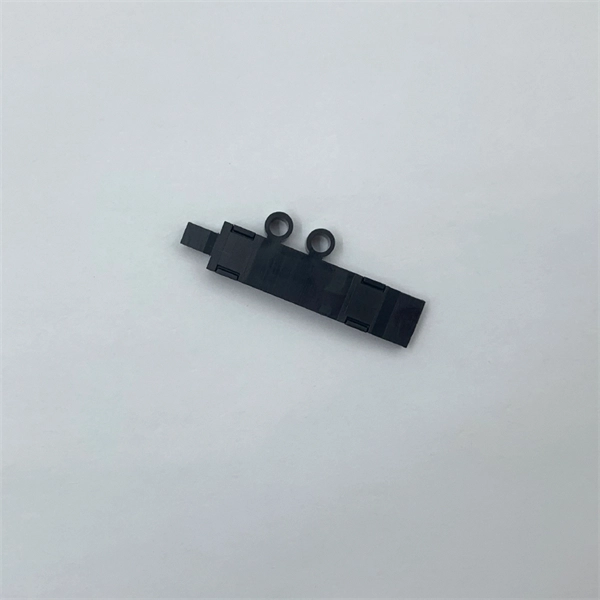
An optical module sends data as light through fiber cables. Light is faster than electricity, making it great for quick communication. The optical module serves as a crucial component in optical fiber communication systems, operating at the physical layer, which is the lowest layer in the OSI model. Its primary function is to achieve optoelectronic conversion by converting electrical signals into optical signals and vice versa. This technology is crucial for fast and reliable data transfer in networks. Optical modules typically have an electrical interface on the side that connects to the inside of the system and an optical interface on the side that connects to the outside. Optical fiber transmission forms the backbone of modern high-speed communication networks, enabling the efficient transfer of massive datasets across vast distances. These modules typically consist of a transmitter, which converts electrical signals into a light signal, and a receiver, which converts the received signal back. In high-speed data networks, the seamless integration of fiber optic cables with SFP (Small Form-Factor Pluggable) modules is critical for reliable signal transmission. SFP transceivers bridge electrical and optical signals, making them indispensable in data centers, telecom networks, and.
[PDF]

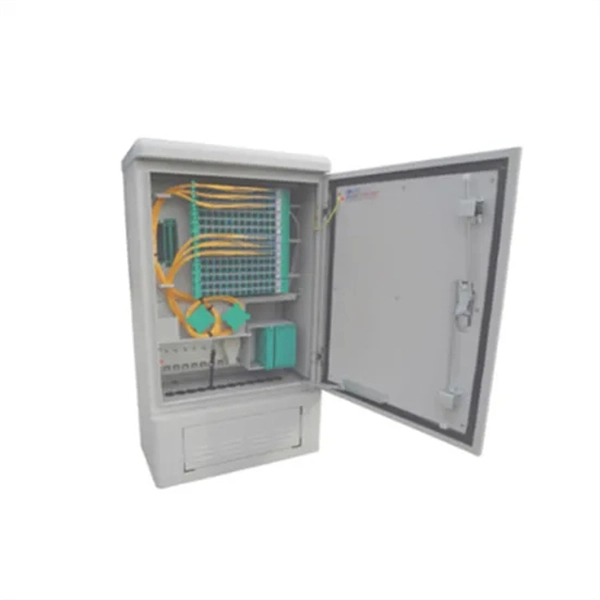
Optical Network Terminals (ONTs): Often called "fiber boxes," ONTs are located inside homes and connect the fiber optic cable to the internal network. They receive the optical signal from the external fiber optic cable and convert it into a usable signal for home networking equipment. A fiber optic junction box, also known as a fiber optic distribution box or termination box, is a protective enclosure that facilitates the connection and management of fiber optic cables. It serves as a central point for organizing and distributing optical fibers, ensuring efficient connectivity. A Fiber Terminal Box (FTB) is a customer-side termination and distribution device used at the end of the optical network. Key Functions Typical Applications ZION FTB Highlights In essence: The Fiber Terminal Box is an end-user termination device for small-scale distribution. ■ What Is a Fiber. Fiber junction boxes play a crucial role in the organization, protection, and distribution of fiber optic cables in various applications, including telecommunications, data centers, and industrial networks. Primary Purpose: Its core function is to provide a secure, protected location. To handle a large number of optical fibers with lower cost and higher flexibility, various optical junction boxes are widely used to connect and arrange optical fibers. The distribution box provides.
[PDF]
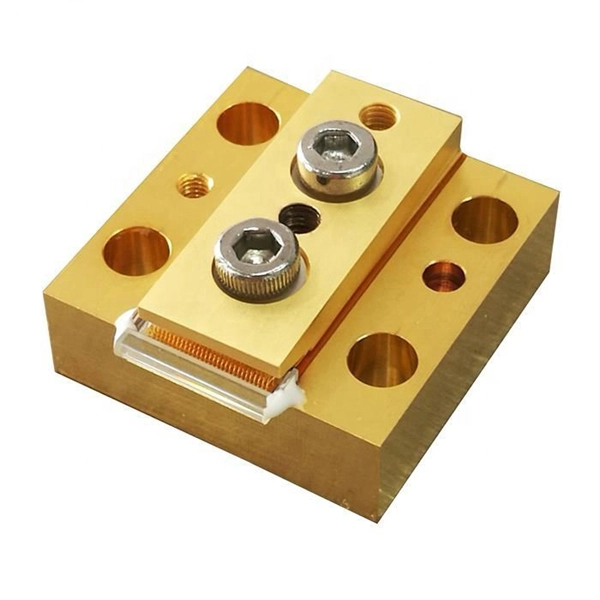
This paper presents a method for the CTE measurement of composite specimens using Fiber Bragg Grating (FBG) sensors. FBG sensors consist of periodic refractive index variation made on the core of optical fiber. When a broadband source is given to the FBG, one. Coefficient of Thermal Expansion is defined as where dl is the change in length for the temperature change dT and l is the original length. There are various conventional measurement techniques for the determination of the CTE, namely dilatometry , interferometry and thermomechanical. Measurement of the Coefficient of Thermal Expansion of Materials Access to the requested content is limited to institutions that have purchased or subscribe to SPIE eBooks. You are receiving this notice because your organization may not have SPIE eBooks access. Pure thermoplastic and composite specimens were built using different commercially available filament. A variation of the period of the grating inscripted in a fiber optic – induced by mechanical or thermal perturbation – causes a shift of the reflected peak wavelength, due to the related optical path length variation. where Pij are the Pockel coefficients of the elasto-optic tensor, n is the.
[PDF]
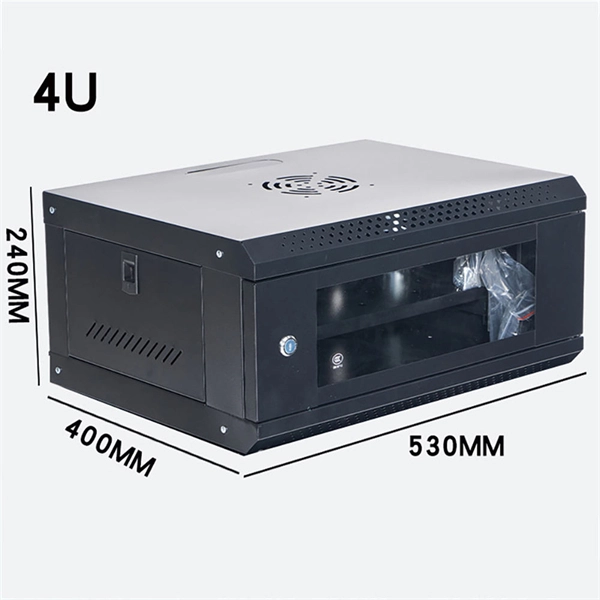
This guide highlights the top ten manufacturers and suppliers shaping the industry in 2026. Each company listed here has built a strong presence through reliable products and steady innovation. Selecting the right fiber optic cable manufacturer directly impacts your network's reliability, performance, and total cost of ownership. With the global fiber optic cable market valued at $13. 92 billion and growing at 10. 46% annually, choosing from the best fiber optic manufacturers ensures your. This list incorporates leading players, including Dekam-Fiber, Corning, Prysmian, and CommMesh, which stand out for their contributions to high-performance cables. Founded in 1851 and headquartered in the U., Corning is a pioneer in fiber optic technology, holding approximately 10. 4% of the. As AI data centers expand and broadband initiatives accelerate across the United States, the demand for high-quality fiber optic cabling has never been higher. For procurement managers and network engineers, the challenge is balancing performance, budget, and lead times. Use it as a fast shortlist when planning new FTTH/FTTA or data-center builds. We note certifications. Our AI-powered database combines millions of company and investor profiles, making it simple to filter, search, and benchmark opportunities. Explore this list as a starting point and connect with us to see how Inven can help you build tailored lists for sourcing and market discovery.
[PDF]

TendersOnTime, the best online tenders portal, provides latest Namibia Optical Fibre tenders, RFP, Bids and eprocurement notices from various states and counties in Namibia. Thank you for visiting Swanib Namibia! To find the solution for your electrical needs, visit our Products or Services page. Swanib Cables, a distributor of electric cables, transformers and fibre optic cables to the Namibian mining, utilities / infrastructure and telecom sectors has been a market. Within the team, a combined 31 years' experience in Construction, Civils, and Fibre Optics. com offers an unmatched database of Optical Fibre Cables tenders from Namibia, more than any other platform. Daily, new procurement. Use this hollow-core fibers buying guide to compare major types, define selection criteria, and find suppliers: Professional purchasing of high-value photonics products is a substantial responsibility, where a structured decision-making process is essential. RP Photonics offers a lot of help: Get. Oryx Fibre Infrastructure is an open access fibre optic network provider in Namibia that owns and operates long distance (backhaul and long haul) fibre infrastructure. We own our secure transmission and backbone fibre infrastructure and provide connectivity services to telecommunications operators.
[PDF]

The Optical Time Domain Reflectometer (OTDR) is useful for testing the integrity of fiber optic cables. It can verify splice loss, measure length and find faults. The OTDR is also commonly used to create a "picture" of fiber optic cable when it is newly installed. The Contractor tasked to perform testing or splicing on any fiber optic cable will follow these testing standards to fulfill their contractual obligations. The Contractor must utilize the correct equipment and testing techniques to gain acceptance, or the work cannot be approved. Later, comparisons can be made. For every fiber optic cable plant, you will need to test for continuity, end-to-end loss and then troubleshoot the problems. If it's a long outside plant cable with intermediate splices, you will probably want to verify the individual splices with an OTDR also, since that's the only way to make. ic system. Fiber optic testing of a newly installed system not only verifies that the system meets its design requirements, but also creates a performance baseline for all future testing and troubleshooting of t at system. What is Fiber Optic Splicing and Why is it Needed? – #1. Use and Maintain Your. This guide reveals the secrets to fusion splicing with little fluff—just proven, straightforward techniques refined from years of work in the field. The guide provides the complete workflow, covering safety precautions, tool selection, fiber preparation, fusion operation, quality control, and.
[PDF]

Fiber optic cable pole brackets and hooks refer to the equipment used for mounting and securing fiber optic cables on utility poles or other vertical structures. (FOA) was founded in 1995 to help develop the workforce to build the fiber optic networks to support a rapid expansion in communications and the Internet. The charter of the FOA was to promote professionalism in fiber optics through education, certification, and. Indoor fiber optic cable uses tighter buffers and routes through conduits or trays. Outdoor fiber optic cable has rugged jackets, gel-filled or water-blocking layers, and armor to resist moisture, rodents, and temperature swings. You install indoor cables in controlled environments. Outdoor fiber. 4. FO-VC2 JOINT USE - VERICAL MIDSPAN CLEARANCES 48. FO-GB GROUNDING AND BONDING 49. FO-RI JOINT USE RISER. Our Fiber Optic Mounting Hardware category includes essential components designed to secure, organize, and protect fiber optic cables and equipment. Proper mounting hardware is crucial for efficient cable management, strain relief, and long-term network stability. However, installing fiber cables in outdoor environments exposes them to harsh weather conditions such as rain, thunderstorms, and freezing temperatures.
[PDF]
The applicable subheading for the fiber optic panel/chassis and fiber optic patch tray, will be 9403. 8040, Harmonized Tariff Schedule of the United States (HTSUS), which provides for “Other furniture and parts thereof: Parts: Other: Other; Of metal. ” The rate of duty will be free. Item 1, part number LCXE-M1RU-BLK, is described as a fiber optic chassis with the capabilities of holding twelve fiber optic cables. The panel is produced from cold rolled. The merchandise is fiber optic patch panels that provide a consolidated point of demarcation for optical terminations, connections and cross connections within a passive, fiber optic network. They are designed to be mounted onto a wall or rack. All fiber optic patch panels will consist of the. Find verified buyers and sellers of Fiber Optic Patch Panel in 180+ countries along with their valid phone numbers and email ids. The top 3 Buyer countries for HS Code 851770 are “ PHILIPPINES ”, “ INDIA ”, “ PAKISTAN ”,. com if you have any questions or special project needs. The panel is produced from cold rolled. In the United States, customs duties imposed on imports from Asian countries have increased costs for Internet service providers and telecommunications companies, in many cases delaying infrastructure expansion and maintenance projects. In Latin America, several countries have adopted tariff.
[PDF]
Fiber core manufacturing involves preform creation using chemical vapor deposition, followed by precision drawing at 2000°C temperatures with real-time diameter control and protective coating application. Getting into fiber core manufacturing 1 feels overwhelming at first. Single-mode fiber represents the pinnacle of long-distance optical transmission technology. With its precisely engineered small core diameter, SMF enables crystal-clear data transmission across vast distances. The technology is. The ultra-fast internet you rely on every day is made possible through fiber optic cables which are thin strands of glass or plastic. However, you know they go through an extremely complex manufacturing process involving advanced technology, extreme temperatures, and thorough testing. Let's take. Fiber optic cables are a crucial component of modern telecommunications and data transmission systems. Fiber optic technology has revolutionized the way information is transmitted, offering numerous advantages over traditional copper wiring. What makes fiber optic cables special is their ability to. The fiber optic cable core is the fundamental material at the heart of fiber optic cables, enabling the transmission of light signals for high-speed data communication in fiber optic technology. As the primary component that carries light within a fiber optic cable, the fiber optic cable core is a.
[PDF]
They function as junction points that manage, protect, terminate, and distribute fiber optic cables, ensuring efficient data transmission between different network elements. Fiber Distribution Boxes (FDBs) are critical components in modern telecommunications infrastructure, particularly in fiber optic networks. Whether you're a network technician, IT professional, or simply looking to understand fiber optic networks. A fiber distribution box (FDB) is a passive enclosure that provides secure splicing, termination, and distribution of optical fibers. It typically contains splice trays, adapters, and cable routing components to manage fiber connections. FDBs are used to organize incoming and outgoing cables. Discover Fiber Distribution Hubs (FDHs), fiber cabinets, and other outdoor cabinet solutions by CommScope. Efficiently manage your network with our reliable fiber optic distribution cabinet solutions.
[PDF]
This video shows you how to build a 10Gbps fiber optic network between buildings using PoE+ switches, SFP+ transceivers, and link aggregation for even higher speeds (up to 40Gbps!). Modern network infrastructure depends on fiber aggregation switches to combine several fiber optic links into one streamlined network connection. They are built to handle large amounts of data flowing through them without interruptions over long distances. more Need to transfer. With AXIS D8308 Fiber Aggregation Switch you can connect multiple Axis devices using fiber midspans over long distances. It also enables easy expansion by simply adding more fiber or network switches. Long-distance installations often require fiber optic cables to connect different sites because of. The Cisco ASR 920 Series Aggregation Services Router is a family of fixed configuration routers that enables Service Providers to provide business, residential, and mobile access services to their users. It is the Carrier Ethernet access platform providing Ethernet services. The Cisco ASR 920. This manual provides detailed instructions for the installation, operation, and maintenance of the Ubiquiti Networks UniFi Aggregation Switch, model USW-Aggregation. Fibers in these points are either spliced.
[PDF]