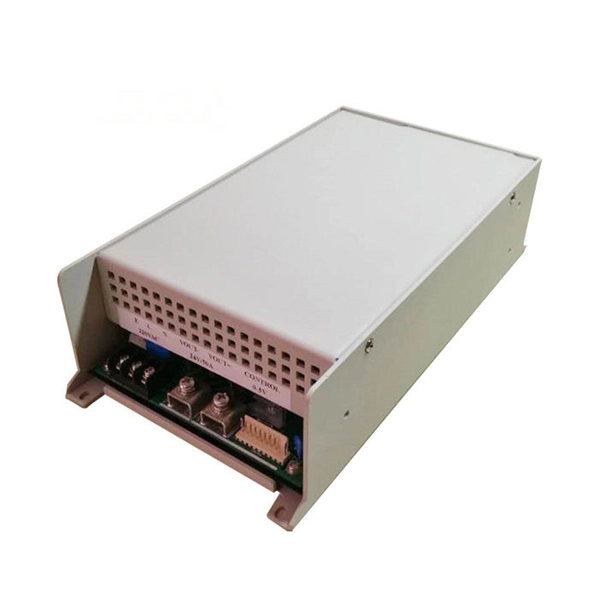
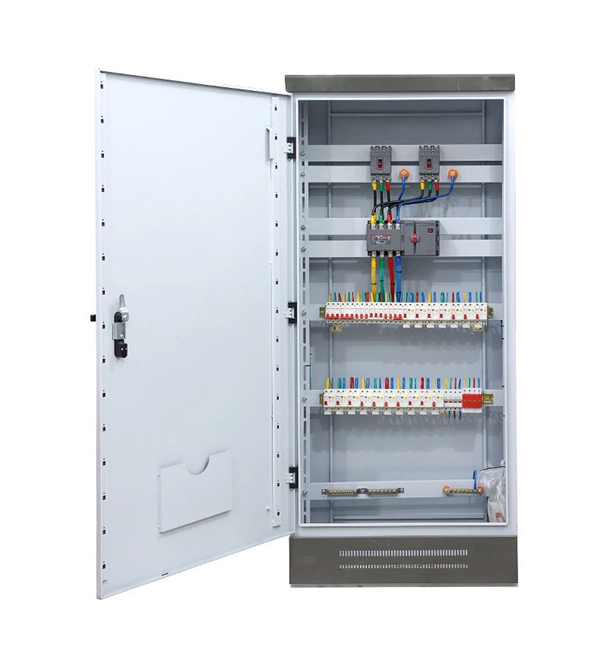
A distribution box, also known as a fiber distribution hub or optical distribution box, is a larger enclosure designed to manage and distribute fiber optic cables to multiple endpoints. It serves as a central point for connecting and organizing numerous fiber optic. Although all three are related to fiber connection and management, their installation locations, functional roles, and positions within the network architecture are fundamentally different. Confusing these devices may lead to non-standard cabling at best, and serious challenges in network. In modern FTTH (Fiber to the Home) and optical communication networks, three types of fiber distribution products are widely used: Splitter Distribution Box, ODF (Optical Distribution Frame), and Fiber Terminal Box. The functions of the four connectors can be. First, let us learn the common point among ODF, fibre optic termination box and fiber optical distribution box, actually, they have similar function, we sort out them as following 4 aspects: 1. fiber termination and optical signal splitting 4. What is the difference between these fiber boxes.
[PDF]

(i) For accessibility, it is necessary that the distribution box be located and have a removable cover not more than 12 inches below grade. Where, due to site conditions, a distribution box must be greater than 12 inches below the surface, an exte. (i) For accessibility, it is necessary that the distribution box be located and have a removable cover not more than 12 inches below grade. Where, due to site conditions, a distribution box must be greater than 12 inches below the surface, an extension collar shall be installed to within 12 inches of the surface. (ii) All outlets from the distribut. (i) In serial distribution, an upper distribution line is allowed to fill before the effluent overflows into a lower line. This method is acceptable for use with dosing systems only. (ii) The connections between distribution lines is made with non-perforated pipe placed in undisturbed soil. (i) Drop manholes are used on sloping sites to reduce the velocity of flow to lower distribution lines. This system may be used with gravity distribution. (ii) Baffles at the inlet end of the manhole and approximately four inches from the inlet are required in drop manholes. (iii) The inverts of all outlets in each manhole shall be at the same leve.
[PDF]
Complete guide to electrical box sizes and dimensions. Includes size charts, depth comparison, volume calculation and industrial metal electrical box selection tips. This guide helps you determine the correct dimensions based on wire fill capacity, device requirements, and installation environment, ensuring a safe and efficient electrical system. Selecting the appropriate junction box size prevents overcrowding, overheating, and potential hazards. Incorrect sizing can cause: Industrial and commercial applications especially require proper volume and internal space planning. Below are common. Understanding how to calculate the correct electrical box size is essential for ensuring safe installations that comply with electrical codes. These requirements apply to conductors 4 AWG and larger. Keep on reading to learn: How to use this electrical junction box.
[PDF]

A distribution box, also known as a junction box or distribution point, is a enclosure or housing used to distribute electrical or telecommunications cables to multiple directions. A distribution box (DB box) is a key part of electrical wiring, acting as a central hub where cables branch out to various outlets and switches in a building. It supports different cable sizes and types, enabling smooth and fast power distribution. Each. Distribution boxes, also known as electrical distribution boards or panels, are pivotal components in electrical systems, ensuring the safe and organized distribution of electrical power throughout residential, commercial, and industrial environments. These boxes house various circuit breakers. With the new distribution box, centrally routed cables can be distributed 360° in all desired directions. Cables with and without connectors can be routed, sealed with IP54 (acc. to 60529) and strain relieved in accordance with EN 62444. This article will provide a detailed introduction to electrical distribution boxes, including their functions, components, types, and uses. Today, electrical systems are essential for homes and industries. But what exactly is a power distribution box, and why is it so essential in our daily lives? The DB panel board controls the flow of electricity.
[PDF]
Fiber Internet Hardware: Quick Answer Fiber internet does not use a traditional cable modem. Instead, it requires an Optical Network Terminal (ONT) — a device supplied by your fiber provider that conve.
[PDF]
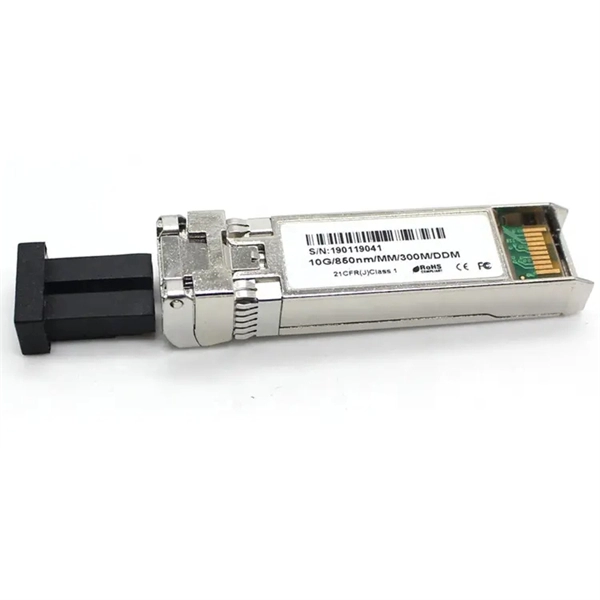
The ring main circuit is commonly used for powering lighting circuits and plug sockets in residential and commercial buildings. It provides a safe and reliable method of electrical distribution, ensuring a consistent supply of power to each outlet. WATERPROOF DISTRIBUTION BOX: The power socket distribution box is made of high-quality ABS plastic material, with a size of 9. The waterproof grade of the shell is IP65. It is equipped with 4 IP44 waterproof sockets., can. The distribution box (DB box) helps safely and efficiently distribute electrical power. Today, electrical systems are essential for homes and industries. But what exactly is a power distribution box, and why is it so essential in our daily lives? The DB panel board controls the flow of electricity. Also known as a distribution board or breaker panel, it acts as the control hub, distributing power to different circuits and protecting them from overloads and faults. Here, we'll delve into what an electrical distribution box is, how it. Portable distribution boxes are mainly composed of core components such as shells, circuit breakers, sockets, terminals, leakage protectors, fuses, etc. As a protective "armor", the shell is mostly made of high-strength engineering plastics or aluminum alloys. Understanding the ring main circuit diagram is essential for electricians and individuals involved in electrical installations and repairs. The ring main circuit consists of a loop of cable, which.
[PDF]

Shop now to find the perfect Distribution Boards to suit your needs. This is for informational purposes only. All online orders will be dispatched from our central warehouse. VAT R 64. VAT List Price R 107. VATNet. Control power efficiently with our distribution boards. Manage and distribute electricity safely for residential or commercial setups. - Din rail Mount DB - High quality; powder coated iron tray- Supplied with Earth & Neutral Bar- DB Labels included- PVC 2 x 25mm knock outs; to. We offer a variety of sizes and materials to meet your specific needs, whether you require weatherproof enclosures for outdoor use or sturdy metal boxes for indoor installations. Our products. Enclosure Boxes are protective housings used to safeguard electrical components, wiring, and devices from environmental factors like dust, moisture, and impact. Available in materials such as plastic, metal, and stainless steel, these boxes are essential for maintaining electrical safety in both. Electrical enclosure & distribution equipment, manufactured to SABS provisions and standards.
[PDF]

Typical project ranges for a single distribution box install span from $500 to $3,000, with most residential jobs landing around $1,000 to $1,800. For multi-box configurations or complex trenching, costs often exceed $2,500. Homeowners typically spend several hundred to several thousand dollars for distribution box work in septic systems, depending on system size, material, and installation complexity. The main cost drivers are the number of boxes, trenching, backfill, and permit requirements. This guide outlines typical price ranges, how costs break down, and regional differences to help homeowners budget accurately. Costs vary based on the materials used, local labor rates, and permitting fees in your area. The cost is driven by box size, material, and installation requirements, with price ranges reflecting basic plastic units up to heavier-duty or re-locatable options. The following. Septic distribution box replacement costs between $500 and $1,500, with your box material and outlet size determining your final total. Your distribution box outlet count depends on household size and how many septic lines drain to the leach field. Even the most skilled DIY homeowners should hire a plumber to tackle the job, which can cost anywhere from $550 to $1,800. Labor makes up the largest portion of the cost to replace a septic distribution box, running as high as $1,200 for.
[PDF]
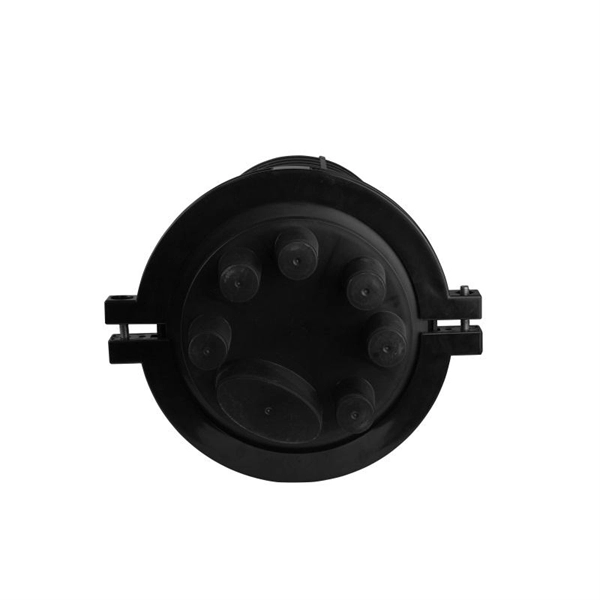
Fiber optic terminal boxes provide functions such as input, branching and splicing of optical fiber cables. Through the connectors and splicing boxes in the terminal box, optical fibers can be quickly connected and repaired. Serving as a critical connection point, FTB facilitates the termination, splicing, or connection of fibers from various cables to other network devices such as switches, routers, or Optical Network Terminals (ONTs). It aids in splicing, splitting, storing, and managing fibers within the appropriate. The optical fiber terminal box is the terminal joint of an optical cable, one end of which is an optical cable, and the other end is a pigtail, which is equivalent to a device that splits an optical cable into a single optical fiber. A fiber pigtail is a specific hardware connection used for cable termination. It is a small enclosure that can house and protect the fiber optic cables, splices, and connectors. The optical fiber termination box and optical fiber splice box serve distinct purposes and are not interchangeable.
[PDF]
California's warehouse quota law protects workers in two main ways: (1) increased transparency on quotas from employers, and (2) protection for bathroom breaks and other health and safety activities. If you're a warehouse employee, you're entitled to a written description of each quota that you are subject to. Employers must give you quota descriptions upon hire, or within 30 days of changed or updated quotas. In addition to a description of the quota, employers must also describe the potential consequences you may face (such as a warning or te. Under AB 701, you can't be required to meet quotas that prevent you from taking all the bathroom, rest and meal breaks you are legally entitled to, or prevent you from complying with occupational health and safety laws. If it takes you longer to do a task in an OSHA-compliant way (than a non-compliant way), AB 701 says that time mustbe considered p.
[PDF]

This video shows real on-site footage of electrical installation, demonstrating safe and standardized wiring methods used by professionals. more Learn how to wire a distribution box step by step! This video shows real on-site footage of. A distribution box is the heart of any electrical system. It takes the incoming power and safely distributes it to different circuits throughout your building. Whether in a home or an industrial facility, this box keeps your electrical setup organized, functional, and efficient. However, the key to. In this video, we'll walk you through the process of wiring a home distribution box with a detailed connection diagram. What is Distribution Board? Distribution board. An electrical panel box, also known as a breaker box or a distribution board, is a crucial component of any electrical system. It serves as a central hub for distributing electricity throughout a building, ensuring that power is delivered safely and efficiently to all the required locations. A distribution board (also known as a service panel or breaker box) is a centralized collection of circuit breakers, fuses, and/or relays used to control and protect the wiring in a home. The diagram. Electrical wiring powers everything in your home, from lights and outlets to major appliances. We'll break down the key parts of a home.
[PDF]

A complete list of component companies involved in Combiner Box production. The PV combiner box is a pivotal component in solar energy systems, designed to merge the direct current (DC) output from multiple solar panels into a single output. These boxes enhance efficiency and safety by streamlining wiring and providing protection against overcurrents and short circuits. As you explore the best solar combiner boxes for efficient energy management in 2025, you'll find that the market is evolving with innovative designs and features. Choosing the right model can greatly influence your system's performance and safety. 261 Combiner Box manufacturers are listed below. BENY specializes in custom solar combiner boxes for superior rooftop fire protection in residential, commercial & industrial settings and ground power stations. Solar DC combiner boxes link PV inverters and PV arrays, combining the output of a large number of strings to improve PV performance. Here are the top-ranked pv combiner box companies as of April, 2026: 1. WenZhou Hawai Electron & Electric Manufacture Co. What Is a PV Combiner Box? What Is a PV Combiner. RAND PV UL-Listed 1741 Solar Combiner Boxes redefine the standard of solar technology by offering customized, innovative, and safety-conscious solutions for your specific solar installation's needs. Each combiner box comes with advanced features including up to 1500V 400A UL Listed DC Disconnects.
[PDF]
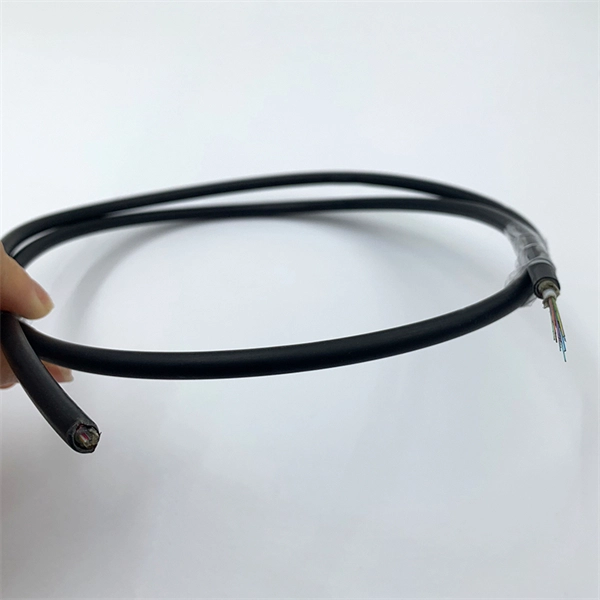
Find Ecuadorian optical fiber cable joint closure importers on ExportHub. Our team of fiber optic specialists is always available to provide expert advice and tailored solutions, ensuring you get the best connectivity for your needs. LatamFiberHome designs and produces a wide range of optical cables for indoor, outdoor and all kinds of cable structures under customer requirements. At the same time it has a complete set of test equipment to ensure that the cable produced meets international standards and customer requirements. According to the structure can be classified into the dome (vertical) and horizontal (half) two kinds of cable splice closure. Nortra Cables offers custom cable and wire harness design assistance, prototyping and manufacturing services for medical, computer, communications, industrial, and electromechanical applications. Some types of manufactured assemblies include: Loom Harnesses, Box Builds, Prototyping, Coaxial Cable. OPTICALFIBRE CABLES OF EXTENSION CORDS IN 30 PALLETS NET WEIGHT 14843, 50 KG/ 32723, 68 LBS GROSS WEIGHT 15318, 50 KG/ 33770, 85 LBS. The companies listed above have not approved or sponsored Panjiva's provision of any of the information in these.
[PDF]