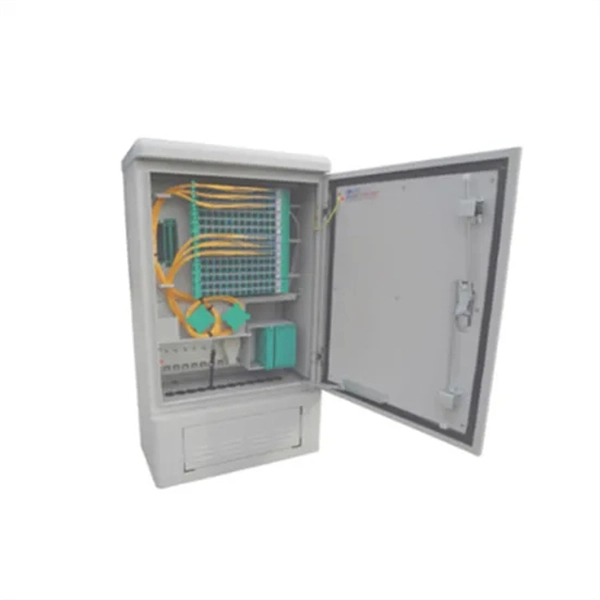
Plan your outdoor fiber installation carefully by surveying the site, choosing the right cable type, and following FOA and OSP standards to ensure reliability. Select the best installation method—direct burial, aerial, conduit, or underwater—based on your environment and. Underground cables are pulled in conduit that is buried underground, usually 1-1. 2 meters (3-4 feet) deep to reduce the likelihood of accidentally being dug up. In extreme cold climates, cables may need to be buried at greater depths where there temperatures are colder and frost penetrates to. We are Jera line, a factory that produces cable infrastructure products. FODB-8 is installed with adapters, splitters, drop cable patchcords, pole bandings, and fiber cable slack storage. Use. pport cables and splice enclosures. Cost of rack Wire Splice B x (200 (50' Mi As ve 1'-0" wide (min) concrete apron. rons shall be sloped away from box. Cost of apron o d oun. FTTP or fiber To The Premises applications have reinforced the importance of reliable and stable fiber optic terminations. Good quality fiber laying and termination systems help achieve minimal back reflection and low signal loss. They also feature resistance to moisture, impact, chemical exposure. Fiber optic cable may be installed indoors or outdoors using several different installation processes. Outdoor cable may be direct buried, pulled or blown into conduit or innerduct, or installed aerially between poles.
[PDF]

As pluggable I/O data rates increase, the need to efectively limit EMI emissions and heat generated by fiber optic transceivers simultaneously arises. Typically this is done through an EMI containment vehicle such as a sheet metal cage or die cast housing. Legal status (The legal status is an assumption and is not a legal conclusion. Google has not performed a legal analysis and makes no representation as to the accuracy of the status listed. ) Current Assignee (The listed assignees may be inaccurate. In this guide, we will cover everything from what causes heat, to monitoring your SFP module temperatures in real. The developments introduced in the optical communication systems have been focused in 3 main objectives: increase of the propagation distance, increase of the transmission capacity (bitrate) and reduction of the deployment and operation costs. The achievement of these objectives was only possible. With the growing global deployment of Fiber-to-the-Home (FTTH) networks driven by the demand for ensuring high-capacity broadband services, mobile network operators (MNOs) face challenges of excessive energy consumption (EC) of wired optical access networks (OANs). This article will focus on I/O. Fiber optical transceiver is one of the key components of the fiber optic communication systems. The fiber optical transceiver modules convert electrical signal and optical signal to each other to exchange information.
[PDF]

Price and other details may vary based on product size and color. Need help?. This splice enclosure is designed as a simple distribution box for indoor installation. It could be utilised in small building facility or as floor box. Ideal for FTTH networks. This splice enclosure is designed as a. The large single port SC duplex wall outlet serves as a termination point, designed to connect two optical fibers via pigtails in FTTH or FTTB applications. It is small &lightweight, and is typically wall-mounted, providing a convenient sc duplex outlet to connect fiber to an ONT. Internal. Check each product page for other buying options. Need help?. Fiber Optic Splice Enclosures are essential components for protecting fiber optic splices and ensuring safe, secure, and organized fiber management. These enclosures are designed to accommodate splice trays, manage fiber optic cables, and protect sensitive connections from environmental factors. Fiber Optic Splice and Joint Enclosure Box is a fiber management product typically used with outdoor fiber optical cables and underground fiber splice enclosure. Fiber splice enclosure box is used for. CommScope addresses these challenges with a comprehensive family of fiber splice closures that prioritize essential criteria: reliability, installability, flexibility, and speed of deployment. Trunk and Feeder Network Solutions: These closures are designed for robust performance in the backbone of.
[PDF]

The fiber is connected to an Optical Network Terminal (ONT) inside or outside your home. The ONT converts the light from th e fiber into electrical signals that run via an ethernet cable. The technician powers, tests, and. In this guide, we'll walk you through how to connect a fiber optic cable to a router safely and efficiently. Why Use Fiber Optic Internet? Before diving into the setup, let's quickly recap why fiber optics are worth the effort: Lightning-fast speeds (up to 1 Gbps or higher). Low latency for. The fiber optic cable does not plug directly into a standard home router because the signal type must be translated. This specialized equipment serves as the. These cables are bundled together within protective conduits, forming what is known as a fiber optic network. The process of building this network is a major undertaking, often requiring significant investment from internet service providers (ISPs) and sometimes involving municipal partnerships. During your fiber-optic installation, your technician will need outdoor and indoor access to where you want to plug in your router. Setting up your FTTP connection box (ONT) is the first step to enjoying fast, reliable fiber internet. Here's what you need to know: What You'll Do: Mount and connect the FTTP box (ONT). Set up power and fiber cables. Check LED lights for connection status.
[PDF]
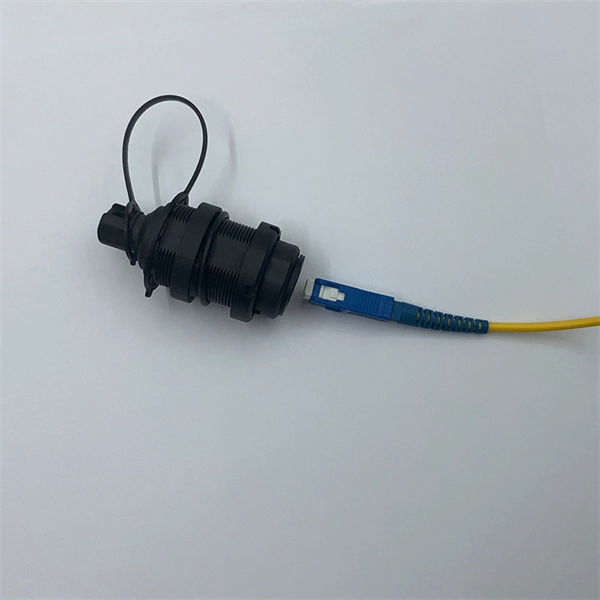
Extending the fiber through the box makes use of a cable entry gland. Fasten the cable to the clamps or ties to assure the cable is immovable. Cable must be properly minimum radius (usually ≥30mm for standard fiber). Remove the cable jacket and buffer coating material. Thus, a fiber termination box is used to terminate the optical fiber cables in the field and connect them to the pigtail by splicing. After an optical cable arrives at the user's end, it is fixed in the terminal box. Fiber adapters: These are used to connect the fiber optic cables to the fiber termination box and should comply with industry. Teleweaver emphasizes the importance of choosing the right FTB based on specific requirements. The common types include: Wall-Mounted FTBs: Ideal for residential and small-scale applications, these are compact boxes designed to be mounted on walls for easy access and space-saving cable management. To address this problem, the fiber termination box (FTB) was created to protect the fragile fiber terminals and provide a simple and clear way to manage the incoming and outgoing cables. more Order it here: https://www. This video shows you a step-by-step instruction on how to terminate 12 strands single mode fiber cables, splicing them with fiber optic pigtails.
[PDF]

This guide explains what a fiber optic termination box is, how it works in practice, where it is typically installed, and how to choose the right model for different network environments. What Is a Fiber Optic Termination Box?. A Fiber Termination Box, also known as a Fiber Distribution Box, is a crucial component in fiber optic networks. It serves as a termination point for optical fibers, providing a secure and organized space for connecting and managing fiber optic cables. It functions as a junction between the incoming fiber cable and the outgoing customer-side fiber cable, where one fiber can be spliced, patched. A fiber optic termination box is a core component in modern fiber optic networks, providing a secure and organized point for fiber termination, splicing, and distribution. It is widely deployed in FTTH, FTTB, and other access networks to ensure stable signal transmission from backbone cables to end. Fiber termination box (FTB), also known as optical terminal box (OTB), generally refers to a distribution box specially designed for fiber cable management (fiber patch cables/pigtails) in FTTH applications. To ensure consistent performance and longevity, it is essential to adhere to strict technical specifications.
[PDF]
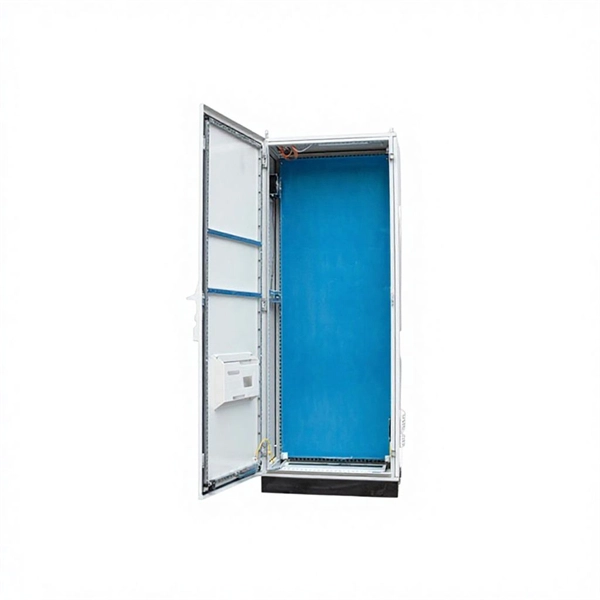
Thus, a fiber termination box is used to terminate the optical fiber cables in the field and connect them to the pigtail by splicing. After an optical cable arrives at the user's end, it is fixed in the terminal box. A fiber pigtail is a specific hardware connection used for cable termination. Fiber adapters: These are used to connect the fiber optic cables to the fiber termination box and should comply with industry. This article will guide you through the necessary tools, materials, and methods on how to connect fiber optic cables effectively, ensuring you achieve optimal performance from your fiber optic network. Have a network installation project? Fiber Optic Cables: The primary medium for your connections. To establish easy and safe installation put the box where it will be installed and measure the required length of the cable. Prepare the safe installation of the box. 5 meter or more, to. Learn how to install a fiber optic termination box step-by-step for FTTH projects. Covers mounting, splicing, routing, labeling, and testing for indoor/outdoor use. Installing a fiber optic termination box is one of those jobs that looks simple on paper, but it's easy to do poorly in the field. Preparations: Before installation, please ensure that you have obtained optical fiber network access services.
[PDF]

We show the manufacturing process of DIMI's Fiber Optic Terminal Box / FTTH Termination Box—from raw materials and injection molding to assembly, quality inspection, and packaging. If you're looking for a stable supplier for OEM/ODM and bulk orders, this video helps you un. Our extraordinary customer service, flexibility and skill in managing complex operations in lower cost Southeast Asia has made us the. On June 4, FiberHome Communications' subsidiary Thailand Ruisen Co. (hereinafter referred to as "Ruisen") held a groundbreaking ceremony for its optical fiber and cable manufacturing base. Officials said that the base has a construction area of about 72,000 square meters. The first phase of. Fiber optic termination box is made of ABS and ABS+PC material, which is a box for protecting optical fiber cable and pigtail welding at the termination of the optical cable. As a professional fiber optical terminal box manufacturer, UnitekFiber provides fiber terminal boxes with various waterproof. With the global fiber optic market reaching $6 billion and growing at 10% annually, the need for high-quality manufacturing solutions has never been greater. Single-mode fiber represents the pinnacle of long-distance optical transmission technology. However, the very characteristics that make fiber optic cables.
[PDF]
24 Core GYTC8S Fiber Optic Cable Armor Stranded Loose Tube Steel Wire Strength Waterproof Figure 8 Self Supporting Outdoor GYTC8S cable, single-mode/multimode fibers are positioned in the loose tubes, which are made of high modulus plastic, while the loose tubes strand together around. 24 Core GYTC8S Fiber Optic Cable Armor Stranded Loose Tube Steel Wire Strength Waterproof Figure 8 Self Supporting Outdoor GYTC8S cable, single-mode/multimode fibers are positioned in the loose tubes, which are made of high modulus plastic, while the loose tubes strand together around. Corning ALTOS® figure-8 gel-free cables are self-supporting aerial cables designed for easy and economical one-step installation. The loose tube design provides stable performance over a wide temperature range and is compatible with any telecommunications-grade optical fiber. The gel-free design is. 24 Core GYTC8S Fiber Optic Cable Armor Stranded Loose Tube Steel Wire Strength Waterproof Figure 8 Self Supporting Outdoor GYTC8S is a typical self supporting outdoor fiber optic cable, suitable for aerial applications; The cable have nice moisture resistance performance and crush resistance. The fibers, 250µm, are positioned in a loose tube made of a high modulus plastic. The tubes are filled with a water-resistant filling compound. A steel wire locates in the center of core as a metallic strength member.
[PDF]

They function as junction points that manage, protect, terminate, and distribute fiber optic cables, ensuring efficient data transmission between different network elements. Wall-mount and pole-mount fiber boxes represent two installation categories within ODN infrastructure, each designed to withstand different mechanical forces, environmental exposure, and cable-routing geometries. Although both serve as distribution nodes for FTTH and PON networks, their structural. Fiber Distribution Boxes (FDBs) are critical components in modern telecommunications infrastructure, particularly in fiber optic networks. These enclosures protect and organize fiber splices, connections, and splits in aerial networks, ensuring reliable signal transmission across residential, commercial, and remote. A fiber optic distribution box, also known as a fiber optic terminal box or fiber optic termination box, is a device used to connect and manage fiber optic cables in a network. It serves as a central point for fiber optic cable termination, splicing, and distribution. The distribution box provides. desire to become a Clearfield partner. Designed for the outside plant environment, these cabinets provide a single distribution point to depl y FTTH in urban or dense neighborhoods.
[PDF]

In this video, I walk you through my personal method of prepping and installing a 1:16 fiber optic splitter inside a sealed, weatherproof distribution box getting it ready for field deployment at a site. This is the way I've found to be clean, efficient, and reliable based on my experience in the. When employing the first-level splitting method in a residential network, optical splitters offer flexibility for indoor or outdoor installation. Indoor options encompass locations like the community's central computer room, building's weak current well, or floor wiring box. Optical cables can be. How to install the splitter distribution box is the important information we need to know. This article includes the following: 1. Install the fixture 2. Ground the installation system 1. Understanding Fiber Optic Splitter Box A fiber optic splitter box is a device used in fiber optic networks to split a single optical signal into multiple signals. This type of fiber optic cable splitter is generally placed in fiber splice closure or fiber splitter box. If plc splitter with connector, like bare splitter, mini plc splitter, there is a steel tube to protect the chip in the middle and the loose tube adhesion position. Have any questions? Talk with us directly using LiveChat.
[PDF]
Wall drilling: We'll need to drill a 12mm hole through the wall to connect the two boxes. The engineer will fill the holes when they're done and leave. Most junction boxes are designed to be drilled, but it's crucial to follow the manufacturer's instructions and take necessary safety precautions. There are several types of. External work: We'll run the fibre optic cable from a nearby pole or underground to a small junction box on an external wall. Internal set up: We install an ONT (Optical Network Terminal) inside the property. A small white box that connects the fibre optic cable, providing access to the Full Fibre. Fiber installation is more than just finding the right equipment, from thought leadership to industry updates to case studies, we've got the insight and knowledge you need for a safer, more efficient installation process. HDD contractors looking to add more power and speed to complete their fiber. There is a stud beside the panel drilling in the other side of that stud would be a safer place. Do not use flat bottom gables with scissor trusses. There are wires outside were a box could be installed. I. The Fiber Optic Association, Inc. (FOA) was founded in 1995 to help develop the workforce to build the fiber optic networks to support a rapid expansion in communications and the Internet. The charter of the FOA was to promote professionalism in fiber optics through education, certification, and.
[PDF]
They function as junction points that manage, protect, terminate, and distribute fiber optic cables, ensuring efficient data transmission between different network elements. Fiber Distribution Boxes (FDBs) are critical components in modern telecommunications infrastructure, particularly in fiber optic networks. Whether you're a network technician, IT professional, or simply looking to understand fiber optic networks. A fiber distribution box (FDB) is a passive enclosure that provides secure splicing, termination, and distribution of optical fibers. It typically contains splice trays, adapters, and cable routing components to manage fiber connections. FDBs are used to organize incoming and outgoing cables. Discover Fiber Distribution Hubs (FDHs), fiber cabinets, and other outdoor cabinet solutions by CommScope. Efficiently manage your network with our reliable fiber optic distribution cabinet solutions.
[PDF]