
This report presents a comprehensive overview of the Kazakhstani singlemode optical fiber cables market, the effect of recent high-impact world events on it, and a forecast for the market development in the medium term. In this blog, I will discuss the fiber optic cable distance, the effect factors, how to choose the right fiber optic cables, and how to compare the transmission distances of single-mode and multimode fiber optic cables. Let's dive deeper together! What Factors affect the fiber optic cable distance?. Fiber optic cables are the backbone of modern telecommunications infrastructure, enabling high-speed data transmission across vast distances with minimal signal loss. Product Categories: • Aerial • Duct • Direct Buried • Microduct Indoor/Outdoor fiber optic cables are flame-retardant (FR) cables. Optictelecom group of companies works on Kazakhstan market since 2003 and became a partner of key local telecom providers and biggest national companies: Kazakhtelecom JSC, KazTransCom JSC, Transtelecom JSC, TNS Plus LLC, KCELL JSC, KEGOC JSC, Intergas Central Asia JSC, NC Kazakhstan Temir Zholy. JSC Kazenergokabel was established in accordance with the Decree of the President of the Republic of Kazakhstan “On the Development and Conversion of the Defense Industry”, the program for the development of processing industries, approved by the Cabinet of Ministers of the Republic of Kazakhstan.
[PDF]
These installation instructions provide overview and specification information for small form-factor pluggable (SFP/ SFP+/SFP28) modules, as well as instructions for installing and removing the modules. SFP (Small Form-factor Pluggable) transceivers are essential components in modern fiber optic networks, enabling network devices such as switches, routers, and servers to transmit and receive data over optical fiber. By converting electrical signals into optical signals—and vice versa—SFP. Gigabit single-mode fiber optic module Common parameters of optical modules 1. Center wavelength 1) 850nm (MM, multi-mode, low cost, but short transmission distance, usually only 500M); 2) 1310nm (SM, single mode, large loss during transmission, small dispersion, generally used for transmission. As a leading provider of fiber optic solutions, Weunion offers a wide range of SFP-compatible products, including optical transceivers, DAC/AOC cables, LC patch cords, and MPO/MTP assemblies. While they may appear to be simple plug-in transceivers, SFP modules are precision-engineered devices that directly influence network. o In optical modules, "core" refers to the light-transmitting channel in the fiber. A 1-core module uses a single fiber core for data transmission, while a 2-core module uses two cores. o Think of a highway. A 1-core fiber is like a single-lane road—only one car (or data signal) can travel at a.
[PDF]

The Ripley Miller 80860 IET Insertion Extraction Tool features a specific tip design which provides gripping without slipping to insert and extract fiber optic connectors. It works easily and precisely with LC, SC simplex and duplex, MU, MT-RJ and other connectors in a high-density. Check each product page for other buying options. Price and other details may vary based on product size and color. Need help?. Simplify field connector installation on flat drop fiber with the FTTX Flat Drop End Prep Kit. Four Tools in One Hand: This fiber optic stripper is built with a scissor, a three-in-one miller clamp, clean cotton, and a wire stripper for which it obtains four patents to meet your multiple needs. Accurate & No Scratching: The three-in-one miller clamp is constructed to easily strip 1. Since 1970, Budco has provide cable construction tools, cable installation tools, and cable identification tools including fiber optic test equipment and tools for the telecommunications industry. We. Introducing the patent-pending Miller® ACS Plus - a professional-grade tool that has all the functionality of the trusted Miller® ACS and ACS-2, and then some! Designed for use on armored fiber feeder, central tube & stranded loose tube fiber optic cables, as well as various other non-fiber armored.
[PDF]

The Optical Time Domain Reflectometer (OTDR) is useful for testing the integrity of fiber optic cables. It can verify splice loss, measure length and find faults. The OTDR is also commonly used to create a "picture" of fiber optic cable when it is newly installed. The Contractor tasked to perform testing or splicing on any fiber optic cable will follow these testing standards to fulfill their contractual obligations. The Contractor must utilize the correct equipment and testing techniques to gain acceptance, or the work cannot be approved. Later, comparisons can be made. For every fiber optic cable plant, you will need to test for continuity, end-to-end loss and then troubleshoot the problems. If it's a long outside plant cable with intermediate splices, you will probably want to verify the individual splices with an OTDR also, since that's the only way to make. ic system. Fiber optic testing of a newly installed system not only verifies that the system meets its design requirements, but also creates a performance baseline for all future testing and troubleshooting of t at system. What is Fiber Optic Splicing and Why is it Needed? – #1. Use and Maintain Your. This guide reveals the secrets to fusion splicing with little fluff—just proven, straightforward techniques refined from years of work in the field. The guide provides the complete workflow, covering safety precautions, tool selection, fiber preparation, fusion operation, quality control, and.
[PDF]
This guide highlights the top ten manufacturers and suppliers shaping the industry in 2026. Each company listed here has built a strong presence through reliable products and steady innovation. Selecting the right fiber optic cable manufacturer directly impacts your network's reliability, performance, and total cost of ownership. With the global fiber optic cable market valued at $13. 92 billion and growing at 10. 46% annually, choosing from the best fiber optic manufacturers ensures your. This list incorporates leading players, including Dekam-Fiber, Corning, Prysmian, and CommMesh, which stand out for their contributions to high-performance cables. Founded in 1851 and headquartered in the U., Corning is a pioneer in fiber optic technology, holding approximately 10. 4% of the. As AI data centers expand and broadband initiatives accelerate across the United States, the demand for high-quality fiber optic cabling has never been higher. For procurement managers and network engineers, the challenge is balancing performance, budget, and lead times. Use it as a fast shortlist when planning new FTTH/FTTA or data-center builds. We note certifications. Our AI-powered database combines millions of company and investor profiles, making it simple to filter, search, and benchmark opportunities. Explore this list as a starting point and connect with us to see how Inven can help you build tailored lists for sourcing and market discovery.
[PDF]

Technical Fiber Optics Lines Factory (TechLine) is a big factory was established in Jordan in 2016 located in Al Qastal industrial area in Amman. It is ISO 9001:2008 certified with a scope distinction of being first of its kind in the Middle East region. It strives to become one of the leading. Techline offers a complete range of Fiber optic passive equipment ranging from FDT, joint closures, enclosure boxes, distribution boxes and frames, and indoor/outdoor fiber cables to be used inside the network from the Central Office to the user. Products are designed for easy installation with the. APAR's Fireoproof Fibre Optic cables are specially designed cables for complying specific fire standards. Fireoproof cables are suitable for communication networks across all emergency systems and other key equipment where fire safety is of utmost importance and are available in customised designs. When a fire breaks out in a data center or a high-rise building, the cabling in your walls acts in one of two ways: The Fuse: It melts, drips, and carries the flame from room to room. The Barrier: It self-extinguishes and stops the spread of toxic smoke. Choosing the right Fire-Resistant Fiber. All feature a corrugated steel tape armour for protection from rodents, a central loose tube construction and internal/external LSZH (Low Smoke Zero Halogen) sheath. The outer sheath is black with a red stripe for easy identification and also provides UV stability. A key feature of the Draka.
[PDF]

GYXTW is a compact outdoor fiber optic cable design widely used in access and distribution networks, especially where space efficiency and mechanical reliability are required. GYXTW adopts a central loose tube structure, with optical fibers placed inside a gel-filled tube for. GYXTW fiber optic cable is a versatile and widely used cable type in modern telecommunication and data networks. Known for its durability and flexibility, this cable plays a critical role in both indoor and outdoor applications. This article explores the features, benefits, applications, and. What is the GYXTW fiber optic cable? Author: James Xu Publish Time: 18-09-2018 Origin: https://www. What are the characteristics and applications of GYXTW optical cable? What are the characteristics and applications of GYXTW optical cable? GYXTW fiber optic cable is a type of outdoor communication cable that is widely used in various applications due to its unique features. In this article, we. GYXTW Steel Armored Fiber Optic Cable For Duct/ Ariel/ Direct Buried GYXTW is an outdoor use fiber loose tube cable for duct, aerial and direct buried applications. With water-blocking materials filled, ensure the compactness and longitudinal water-blocking performance. GYXTW is a fiber optic cable that can serve overhead, buried and through-tube scenarios according to line design requirements. GYXTW fiber optic cable is constructed by.
[PDF]

Optical Network Terminals (ONTs): Often called "fiber boxes," ONTs are located inside homes and connect the fiber optic cable to the internal network. They receive the optical signal from the external fiber optic cable and convert it into a usable signal for home networking equipment. A fiber optic junction box, also known as a fiber optic distribution box or termination box, is a protective enclosure that facilitates the connection and management of fiber optic cables. It serves as a central point for organizing and distributing optical fibers, ensuring efficient connectivity. A Fiber Terminal Box (FTB) is a customer-side termination and distribution device used at the end of the optical network. Key Functions Typical Applications ZION FTB Highlights In essence: The Fiber Terminal Box is an end-user termination device for small-scale distribution. ■ What Is a Fiber. Fiber junction boxes play a crucial role in the organization, protection, and distribution of fiber optic cables in various applications, including telecommunications, data centers, and industrial networks. Primary Purpose: Its core function is to provide a secure, protected location. To handle a large number of optical fibers with lower cost and higher flexibility, various optical junction boxes are widely used to connect and arrange optical fibers. The distribution box provides.
[PDF]

Installing FTTH wall outlets the right way improves internet speed. It also lowers signal loss. Pick the correct outlet type for your space size. Use single-port for small areas and multi-port for bigger networks. Use good tools and materials to protect the delicate fiber optic cables. Designed to provide a clean, secure, and accessible termination point for indoor fiber connections, these outlets ensure optimal signal quality and minimal interference in residential and commercial environments. Whether you're a homeowner upgrading to fiber or a contractor planning network. These outlets act as the key connection point between your fiber optic cables and the devices that require fast, stable internet access. What is a Fiber Wall Outlet Socket? A fiber wall outlet socket is a specialized socket installed in walls or other surfaces to terminate fiber optic cables in a. When you're looking to bring the unparalleled speed and reliability of fiber optic cable into your home, the preparation phase is crucial. This small device helps send data quickly and smoothly. It supports fast internet and steady communication. A good setup cuts signal loss, lowers. Indoor cables can be installed in raceways, cable trays above ceilings or under floors, placed in hangers, pulled into conduit or innerduct or blown though special ducts with compressed gas. The installation process will depend on the nature of the installation and the type of cable being used.
[PDF]
Calculate end-to-end loss from cable length, connector and splice counts, and known component losses; verify with a light source + power meter (OLTS). If installed loss exceeds design, reduce connection points, rework poor splices, or use optics with better. This document presents a troubleshooting guide for fiber optic cables once deployed and in regular use. It also includes a list of common fault location items. How to troubleshoot: measure. Fiber optic networks are celebrated for their speed and reliability, but even the best systems can encounter problems. When issues like signal loss, slow speeds, or intermittent connectivity arise, systematic troubleshooting is key. These high-speed, high-capacity communication networks are increasingly replacing copper cables, offering superior performance and. Fiber optic troubleshooting is the systematic process of identifying, diagnosing, and resolving problems within fiber optic communication networks. These networks are the backbone of modern data transmission, offering incredible speeds and bandwidth. However, even the most robust systems can. Fiber optic cables are the backbone of today's high-speed communication networks, powering everything from FTTH broadband to data centers. However, like any technology, fiber optic systems can encounter issues that affect performance. Understanding the common causes and solutions helps maintain.
[PDF]

This video goes over common types of connectors, their respective adapters, and how to properly connect and disconnect them. more Are you interested in seeing how fiber optic connectors get. Unplugging a fiber jack, also known as a fiber optic connector, is a delicate process that requires attention to detail and proper handling to ensure the integrity of the fiber optic cables and connectors. Fiber optics are used in a variety of applications, including telecommunications, internet. If you're wondering how to remove fiber optic cable from connectors, there are a few different ways to do it. You need to know which connector is the correct one for the cable and what kind of wire it's made of. You can also use shears or wire cutters to cut through the connector. This article. Fiber optic connectors are essential components in fiber optic networks, providing a reliable connection between cables and equipment. Removing these connectors requires care to avoid damaging the delicate fibers or the connector itself. To connect a fiber optic cable to SFP optical module, first ensure the SFP is fully inserted into the network port until it "clicks", then remove the dust caps from both the SFP and the LC fiber optic connector.
[PDF]
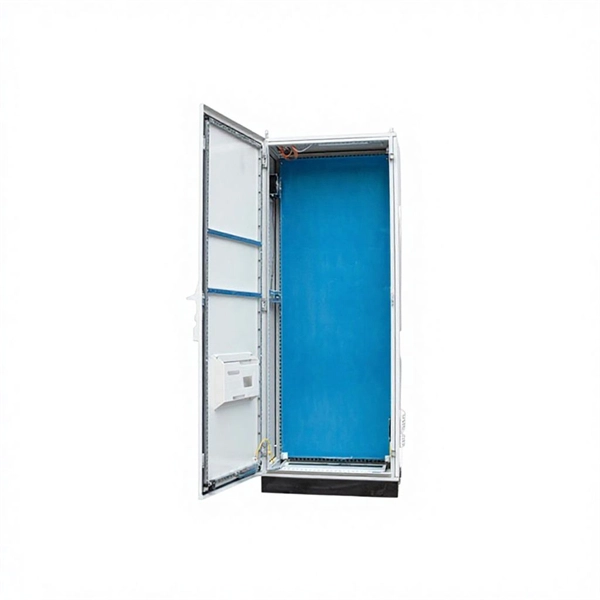
Thus, a fiber termination box is used to terminate the optical fiber cables in the field and connect them to the pigtail by splicing. After an optical cable arrives at the user's end, it is fixed in the terminal box. A fiber pigtail is a specific hardware connection used for cable termination. Fiber adapters: These are used to connect the fiber optic cables to the fiber termination box and should comply with industry. This article will guide you through the necessary tools, materials, and methods on how to connect fiber optic cables effectively, ensuring you achieve optimal performance from your fiber optic network. Have a network installation project? Fiber Optic Cables: The primary medium for your connections. To establish easy and safe installation put the box where it will be installed and measure the required length of the cable. Prepare the safe installation of the box. 5 meter or more, to. Learn how to install a fiber optic termination box step-by-step for FTTH projects. Covers mounting, splicing, routing, labeling, and testing for indoor/outdoor use. Installing a fiber optic termination box is one of those jobs that looks simple on paper, but it's easy to do poorly in the field. Preparations: Before installation, please ensure that you have obtained optical fiber network access services.
[PDF]

This report presents a comprehensive overview of the Belarusian optical fiber cables market, the effect of recent high-impact world events on it, and a forecast for the market development in the medium term. OJSC Plant Optic is the largest optical company situated in West of Republic Belarus. Founded 1970 plant has established a reputation as reliable manufacturer and supplier high quality details. The Quality Management System. Image to Text Copyright © 2015-2026 listcompany. All Rights. In 2024, the Belarusian optical fiber cables market decreased by X% to $X for the first time since 2021, thus ending a two-year rising trend. Overall, consumption, however, showed prominent growth. The report provides a strategic analysis of the optical fiber cables market in Belarus and. WORLD OF MANUFACTURERS listing for category Fiber Optic Cables manufacturers. WORLD OF MANUFACTURERS connects manufacturing companies, people, and products across the world. You can always use the top navigation to select more specific categories.
[PDF]