
This guide explains what a fiber optic termination box is, how it works in practice, where it is typically installed, and how to choose the right model for different network environments. What Is a Fiber Optic Termination Box?. A Fiber Termination Box, also known as a Fiber Distribution Box, is a crucial component in fiber optic networks. It serves as a termination point for optical fibers, providing a secure and organized space for connecting and managing fiber optic cables. It functions as a junction between the incoming fiber cable and the outgoing customer-side fiber cable, where one fiber can be spliced, patched. A fiber optic termination box is a core component in modern fiber optic networks, providing a secure and organized point for fiber termination, splicing, and distribution. It is widely deployed in FTTH, FTTB, and other access networks to ensure stable signal transmission from backbone cables to end. Fiber termination box (FTB), also known as optical terminal box (OTB), generally refers to a distribution box specially designed for fiber cable management (fiber patch cables/pigtails) in FTTH applications. To ensure consistent performance and longevity, it is essential to adhere to strict technical specifications.
[PDF]
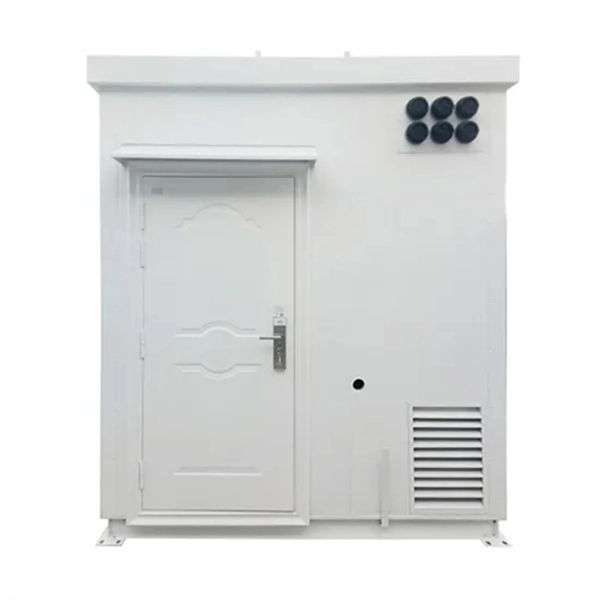
This complete guide explores everything you need to know about ODFs — from their structure, types, and key components, to installation best practices and modern design trends. A fiber optic distribution box, also known as a fiber optic terminal box or termination box, is a device used to connect and manage fiber optic cables within a network. It acts as a central point for terminating, splicing, and distributing these cables, providing necessary protection and. Fiber distribution boxes play a crucial role in network management, providing a centralized and protected access point for optical cables. Distribution boxes are especially essential for FTTH networks, where they enable the efficient connection and management of optical fibers from a central. Fiber distribution boxes represent a critical component in modern telecommunications infrastructure, serving as the connection point between main fiber optic cables and individual subscribers. It is primarily used to terminate, splice, and organize optical fibers, providing a structured cabling solution for in-building and outside plant applications.
[PDF]

Wall Mounted Fiber Optic Distribution Box 24 Fiber Ports is for indoor use and can accommdodate up to 48 fiber couplers (48 SC/FC/ST or 48 duplex LC couplers). It is used to interconnect fiber splices and terminated fiber cables. The unit comes with two 12-fiber splice trays. Suitable for the distribution frame of optical cable and optical communication equipment. for the protective connection of optical cables and distribution. The cabinet provides a management system for optical fiber, connectors, and coupler modules and a test access point to verify the integrity of the network. The unit comes with five 12-fiber splice trays, four cable routing. Fiber Distribution Boxes (FDBs) are critical components in modern telecommunications infrastructure, particularly in fiber optic networks. They function as junction points that manage, protect, terminate, and distribute fiber optic cables, ensuring efficient data transmission between different. Elevate your telecommunications infrastructure with the COMX Fiber Distribution Box (FDB), expertly designed for seamless fiber management and distribution. It is with lock.
[PDF]

Plan your outdoor fiber installation carefully by surveying the site, choosing the right cable type, and following FOA and OSP standards to ensure reliability. Select the best installation method—direct burial, aerial, conduit, or underwater—based on your environment and. Underground cables are pulled in conduit that is buried underground, usually 1-1. 2 meters (3-4 feet) deep to reduce the likelihood of accidentally being dug up. In extreme cold climates, cables may need to be buried at greater depths where there temperatures are colder and frost penetrates to. We are Jera line, a factory that produces cable infrastructure products. FODB-8 is installed with adapters, splitters, drop cable patchcords, pole bandings, and fiber cable slack storage. Use. pport cables and splice enclosures. Cost of rack Wire Splice B x (200 (50' Mi As ve 1'-0" wide (min) concrete apron. rons shall be sloped away from box. Cost of apron o d oun. FTTP or fiber To The Premises applications have reinforced the importance of reliable and stable fiber optic terminations. Good quality fiber laying and termination systems help achieve minimal back reflection and low signal loss. They also feature resistance to moisture, impact, chemical exposure. Fiber optic cable may be installed indoors or outdoors using several different installation processes. Outdoor cable may be direct buried, pulled or blown into conduit or innerduct, or installed aerially between poles.
[PDF]

We show the manufacturing process of DIMI's Fiber Optic Terminal Box / FTTH Termination Box—from raw materials and injection molding to assembly, quality inspection, and packaging. If you're looking for a stable supplier for OEM/ODM and bulk orders, this video helps you un. Our extraordinary customer service, flexibility and skill in managing complex operations in lower cost Southeast Asia has made us the. On June 4, FiberHome Communications' subsidiary Thailand Ruisen Co. (hereinafter referred to as "Ruisen") held a groundbreaking ceremony for its optical fiber and cable manufacturing base. Officials said that the base has a construction area of about 72,000 square meters. The first phase of. Fiber optic termination box is made of ABS and ABS+PC material, which is a box for protecting optical fiber cable and pigtail welding at the termination of the optical cable. As a professional fiber optical terminal box manufacturer, UnitekFiber provides fiber terminal boxes with various waterproof. With the global fiber optic market reaching $6 billion and growing at 10% annually, the need for high-quality manufacturing solutions has never been greater. Single-mode fiber represents the pinnacle of long-distance optical transmission technology. However, the very characteristics that make fiber optic cables.
[PDF]
Thus, a fiber termination box is used to terminate the optical fiber cables in the field and connect them to the pigtail by splicing. After an optical cable arrives at the user's end, it is fixed in the terminal box.
[PDF]

The fiber optic terminal box is the terminal connector of the fiber optic cable, one end is the fiber optic cable, and the other is the tail of the fiber optic cable. This is equivalent to a user's cable terminal box. Pigtail: Used inside termination boxes to connect the optical fibers in the fiber optic cable to pigtails or other components. Fiber patch cord: A fiber patch cord has connectors on both ends and is used to connect. Where copper twisted pairs tend to terminate with an RJ45 plug, fiber optic connectors come in all sorts of shapes and sizes, with all manner of different use cases in mind. An optical fiber connector is used to join optical fibers where a connect/disconnect capability is required. The fiber. The terminal box is a fiber management product used to distribute and protect optical fiber links in FTTH networks. By understanding the components, types, and differences between various fiber management devices, businesses can make informed decisions when deploying and maintaining their fiber. The fiber termination box is an interface between the fiber cable from the line side and the pigtails to be passed to the fiber distribution frame. Key Functions Typical Applications ZION FTB Highlights In essence: The Fiber Terminal Box is an end-user termination device for small-scale distribution. ■ What Is a Fiber.
[PDF]

As pluggable I/O data rates increase, the need to efectively limit EMI emissions and heat generated by fiber optic transceivers simultaneously arises. Typically this is done through an EMI containment vehicle such as a sheet metal cage or die cast housing. Legal status (The legal status is an assumption and is not a legal conclusion. Google has not performed a legal analysis and makes no representation as to the accuracy of the status listed. ) Current Assignee (The listed assignees may be inaccurate. In this guide, we will cover everything from what causes heat, to monitoring your SFP module temperatures in real. The developments introduced in the optical communication systems have been focused in 3 main objectives: increase of the propagation distance, increase of the transmission capacity (bitrate) and reduction of the deployment and operation costs. The achievement of these objectives was only possible. With the growing global deployment of Fiber-to-the-Home (FTTH) networks driven by the demand for ensuring high-capacity broadband services, mobile network operators (MNOs) face challenges of excessive energy consumption (EC) of wired optical access networks (OANs). This article will focus on I/O. Fiber optical transceiver is one of the key components of the fiber optic communication systems. The fiber optical transceiver modules convert electrical signal and optical signal to each other to exchange information.
[PDF]

Follow these steps to connect the fiber optic cables to the fiber termination box: Refer to the fiber termination box's manual to correctly connect the fiber optic cables to it. Match each cable to its designated port on the fiber termination box. Before you start, gather the right tools. You don't want to dig around mid-job for something small but essential. This article will guide you through the necessary tools, materials, and methods on how to connect fiber optic cables effectively. In this guide, we'll break down the fiber installation process from start to finish and explain key components such as fiber cabinets, flower pods, ducting, and ONT setup. What Is Fiber Optic Internet? Before diving into installation, it's important to understand what fiber optic internet is. Fiber optic internet is generally installed in the following 5 steps, which we'll dive deeper into throughout the article: A technician checks your area and prepares the connection from the neighborhood fiber network. A fiber cable (drop) is run from a nearby terminal that could be either a pole or. In the spirit of self-reliance and technical mastery, we've crafted this detailed guide to empower you to take control of your own network by installing fiber optic cables yourself. This comprehensive guide equips you to be your own technician, exploring the intricacies of fiber optic technology.
[PDF]
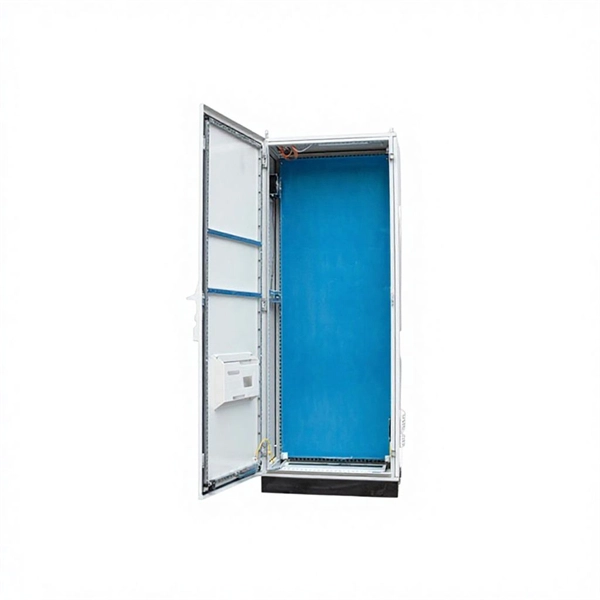
Thus, a fiber termination box is used to terminate the optical fiber cables in the field and connect them to the pigtail by splicing. After an optical cable arrives at the user's end, it is fixed in the terminal box. A fiber pigtail is a specific hardware connection used for cable termination. Fiber adapters: These are used to connect the fiber optic cables to the fiber termination box and should comply with industry. This article will guide you through the necessary tools, materials, and methods on how to connect fiber optic cables effectively, ensuring you achieve optimal performance from your fiber optic network. Have a network installation project? Fiber Optic Cables: The primary medium for your connections. To establish easy and safe installation put the box where it will be installed and measure the required length of the cable. Prepare the safe installation of the box. 5 meter or more, to. Learn how to install a fiber optic termination box step-by-step for FTTH projects. Covers mounting, splicing, routing, labeling, and testing for indoor/outdoor use. Installing a fiber optic termination box is one of those jobs that looks simple on paper, but it's easy to do poorly in the field. Preparations: Before installation, please ensure that you have obtained optical fiber network access services.
[PDF]

When your application uses multiple load cells, like a truck scale or a large tank, a junction box merges those individual signals into a single, accurate reading. The terms primary, secondary, and tertiary distribution boxes are relative. Let's make an example for clarity: A newly constructed residential area introduces a 10kV power line to a substation. From the transformer's low-voltage side (0. 4kV), power is distributed to a main distribution panel. The primary distribution box refers to the main distribution box, typically located in the distribution room. These boxes feature bottom entry and exit cables, front-opening doors, and main busbars connected with copper strips for optimal contact. Since there are no feeder interconnections, a fault will interrupt all downstream customers until it is repaired. This configuration is called a radial system and is common for. A distribution box, or DB box, is a circuit breaker enclosure. It is a vital part and central hub of any electrical system. The hub distributes electrical power from a single input source to various circuits throughout a building. It improves safety by enabling protection against overload and short circuits, and it improves reliability by keeping circuits separated and clearly.
[PDF]
The main function of a Distribution Box is to act as a central hub. The single, thick cable bringing power from the utility company enters this box. Inside, the power is split into multiple, smaller circuits that run to different areas—like the kitchen, bedrooms, lighting, and. Indication Lights: These provide visual availability and status of mains power supply. Each component plays a specific role. Smart DB boxes have extra parts like energy monitoring units and communication modules. This guide breaks down everything you need to know about electrical distribution boxes in plain English. We'll explain what they are, the different panel types you'll encounter, NEC 408 requirements that govern their installation, and common applications for each type. 💡 Quick Answer: An. Here's a quick breakdown of the most important parts and what they do: Circuit Breakers (MCBs): These act like automatic guards. If there's too much current flowing through a circuit, the breaker trips and cuts off the power, preventing damage or fire. Safe habits and checking the box often help stop electrical accidents. These are MCBs, RCDs, busbars, and the main switch. An electrical distribution box is a centralized unit responsible for distributing electrical power across multiple circuits within various environments, including residential, commercial, and industrial settings. It typically contains essential components such as circuit breakers, surge protectors.
[PDF]
Some electrical devices that can be installed at home without an electrical box include: Wall-mounted heaters. These are heating units that are used for smaller, compact spaces. There are times in the wiring when it is more convenient and easier to separate the connections not in the junction box, but not directly in the mounting glass of the switch or socket. This scheme has its pros and cons, but still there are many more shortcomings. In this article, we will consider. We define what a junction box is, its benefits, and when it is not necessary. The electrical box, or junction box, is a code requirement that was established to prevent fires and other electrical accidents. These boxes provide essential protection, preventing accidental contact with live wires and reducing fire risks from exposed connections. Using accessories like. You can easily install an "old work" box that attaches directly to the drywall. This will not work, of course, if the lighting fixture you plan to install is heavy. Old work boxes are carried by all home centers. Ask for them in the electrical aisle. Will the old work box have a weight rating on. Installing a ceiling light without a junction box may seem like a daunting task, but with the right tools, materials, and a clear understanding of the process, it can be a manageable and rewarding project. Whether you're looking to add a stylish pendant light to your living room or brighten up a.
[PDF]
