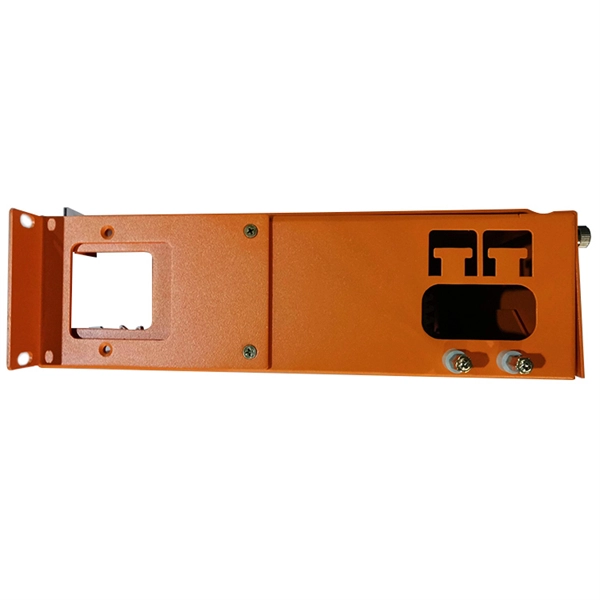
Fibre Channel switches can be divided into two classes. These classes are not part of the standard, and the classification of every switch is a marketing decision of the manufacturer: Directors offer a high port-count in a modular (slot-based) chassis with no single point of failure (high availability).Switches are typically smaller, fixed-configuration (sometimes semi-modular), less redundant devices. OverviewFibre Channel (FC) is a high-speed data transfer protocol providing in-order, lossless delivery of raw block data. Fibre Channel is primarily used to connect to in (SAN) in co. When the technology was originally devised, it ran over optical fiber cables only and, as such, was called "Fiber Channel". Later, the ability to run over copper cabling was added to the specification. In order to avoid confu.
[PDF]

If the LOS light on your fiber router or ONT is blinking red, it usually means Loss Of Signal. This guide explains the likely causes, the checks you can do at home, and when the issue needs technician support. This guide will walk you through what the LOS light means, why it blinks red and step-by-step instructions on how to resolve the issue, including resetting your router. What Does the LOS Light Indicate? The LOS light on your router indicates the status of your internet connection to the Internet. Troubleshoot your router's red light with these steps. A red light on your router can be a source of frustration and confusion. Fortunately, diagnosing and resolving these issues doesn't have to be. A router showing a red light can mean different things, like a service outage, misconfiguration, or loose connection, all of which can lead to a broken internet connection. Fortunately, there are heaps of ways to fix a red blinking light on your router. One of the first things you should try is to. That blinking red LOS light means your router has lost its connection to your internet provider's network. Before you panic or call tech support, there are several simple fixes you can try at home that often solve this problem in minutes. You might feel like you're staring into the abyss of digital darkness, wondering what went wrong.
[PDF]

Recommendation ITU-T L. 101 describes characteristics, construction and test methods of optical fibre cables for buried application. 0, in February 2016. The short answer, based on general industry standards and the National Electrical Code (NEC), is that fiber optic cable is typically buried between 24 inches (60 cm) and 30 inches (76 cm) deep. However, simply hitting this depth isn't enough to guarantee your network survives. Factors like the. Underground fiber optic cable installation follows specific standards that govern burial depth, testing methods, installation techniques, and safety requirements. 5 is an article in the National Electrical Code that addresses requirements for underground electrical installations, including minimum cover requirements—the measurement used to determine the distance from the top of an underground cable or raceway to the finished grade. 5. Estimate minimum burial depth (cover) for underground electrical, fiber, and low-voltage cable runs using a practical, code-aware ruleset. Use this page to plan trench depth, compare conduit options, and prepare for inspection conversations. Use this calculator to estimate a minimum burial depth. Recommendation ITU-T L. This depth is generally considered the absolute shallowest for any telecommunications cable that is not placed.
[PDF]
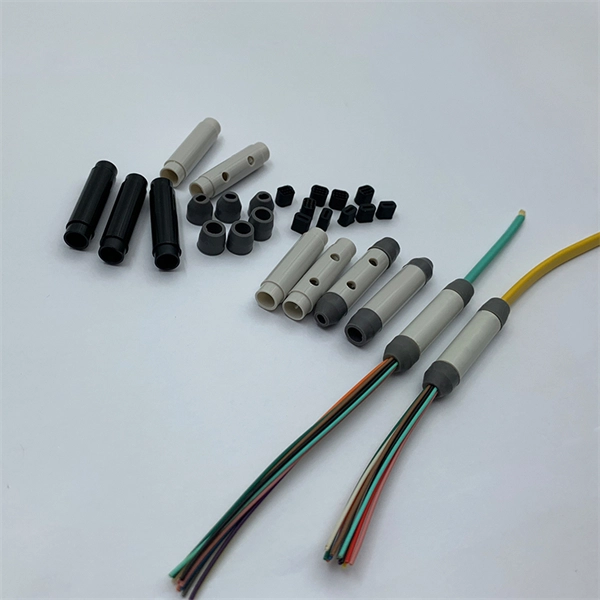
Choose the right box based on environment (indoor/outdoor), load capacity, and durability. Check for proper IP/NEMA ratings and material quality. Ensure safe placement: install in dry, accessible areas with good ventilation and at appropriate height (typically ~1. Practice good wiring: secure. An electrical distribution box, also known as a power distribution box, panelboard, or consumer unit, is the core of an electrical system. It has three categories: residential, commercial and industrial electrical distribution boxes, all of which play important roles in their respective electrical. When you install a distribution box, you need a variety of tools to get the job done safely and efficiently. To install distribution box systems, you'll use hand tools such as screwdrivers and pliers. Wire strippers are essential when you install distribution box wiring. A measuring tape and. This guide offers an in-depth exploration of installing electrical distribution boards, highlighting essential steps, safety measures, and the integration of business intelligence tools to optimize your work. Just like travelers need clear pathways and safety protocols, your electrical circuits need proper management to prevent chaos. The National Electrical Code (NEC) requirements might seem like bureaucratic.
[PDF]

Insert the Fiber Cable: The fiber optic cable connects directly into the ONT provided by your ISP. ” Power Up the ONT: Once the fiber optic cable is connected, plug the ONT. To connect your fiber optic cable to a router, ensure you have the following: Fiber optic modem (ONT): Most fiber connections require an Optical Network Terminal (ONT), provided by your ISP. Compatible router: Verify that your router supports fiber optic input (look for an SFP or WAN port labeled. The process to connect fiber optic cable to router requires careful attention to detail, but I'll walk you through every critical step with the precision and clarity you deserve. This comprehensive guide combines industry standards with field-tested practices to ensure you achieve a rock-solid. Connecting a fiber optic cable to a router involves a few key steps and specialized equipment. Here's a simple guide to help you through the process: 1. Not all routers can connect directly to a fiber cable, so it is important to verify this information before continuing. Understand the Basics Before diving in, familiarize yourself with the components involved:. The fiber optic cable does not plug directly into a standard home router because the signal type must be translated. The fiber line terminates at the Optical Network Terminal (ONT), which is typically supplied and installed by the internet service provider. This specialized equipment serves as the.
[PDF]

An SFP port on a gigabit switch works by allowing interchangeable transceiver modules to slot in. These modules convert electrical signals into optical or copper signals, depending on the type you use. You can choose between short-range or long-range, fiber or copper . At Network-Switch. com, we specialize in Cisco-compatible and NS Comm transceivers, offering enterprise customers tested, certified, and globally supported optical solutions. Cisco offers a range of GBIC transceivers and Small Form-factor Pluggables (SFP) transceivers for Gigabit Ethernet and Fibre Channel appications. These small, modular optical interface transceivers offer a convenient and cost effective solution for the adoption of Gigabit Ethernet and Fibre Channel. The SFP port, or Small Form Factor Pluggable in industrial switch is designed for use with SFF (Small Form Factor) connectors and provides high speed and small physical size. With this, it allows to extend the functionality of the device with additional communication standards. The hot-swappable input/output device plugs into a Gigabit Ethernet port or slot. Optical and copper models can be used on a wide variety of Cisco.
[PDF]

These data switches are responsible for routing and data switching at the core layer of the network. The data routed and switched by the core switch is carried forward to the bottom layers of the network such as the distribution and access layer. Engineered to aggregate massive volumes of data from distribution switches, it provides ultra-low latency and maximum throughput to ensure uninterrupted routing and packet. The significance of the core switch in building and sustaining a resilient network infrastructure is paramount. This determines network efficacy, dependability, and the speed at which. There are different types of enterprise switches that perform various roles in these layer-based or hierarchical ethernet networks. The hierarchy Ethernet network. A core switch in networking serves as the high-capacity backbone, italic centralizing data flow and ensuring efficient communication between different network segments. Simply put, it's the kingpin that keeps your network humming. You may also want to know: Can a Nintendo Switch Play DS Games? ·. A core switch is the backbone of a large-scale network, designed to handle massive volumes of traffic with ultra-low latency and maximum reliability.
[PDF]
Can two switches with fiber ports be directly connected through fiber ports? The answer is yes. The connection between two or more Ethernet switches in a certain way (Uplink port, etc. ) is. Switch optical port intercommunication means that the optical fiber ports of two switches are connected to each other to achieve the purpose of network connection. Fiber optic technology is widely used in networking due to its high-speed data transmission capabilities and long-distance coverage. SFP transceiver modules almost always require two fiber optic cable strands. Fiber provides: Increased internet signal bandwidth. ) is called the cascade. Traditionally, network switches have been connected using copper cables, but with the increasing demand for high-speed and reliable connectivity, fiber optic cables have gained prominence. This article aims to provide a comprehensive understanding of how network switches are connected to fiber.
[PDF]

Mechanical Optical Switches: Switching times typically range from 1-10ms, suitable for long-distance transmission scenarios where latency is not critical (such as backbone network protection switching). Solid-State Optical Switches: Based on thermooptic or electrooptic effects, response. We lead the industry in optical switch technology, delivering the lowest insertion loss (0. 2 dB), fastest switching speed (10 ns), broadest wavelength range (300–2400 nm), widest fiber compatibility, highest optical power handling (50 W), and space-qualified reliability. Backed by over 25 years of. Use this optical switches buying guide to compare major types, define selection criteria, and find suppliers: Professional purchasing of high-value photonics products is a substantial responsibility, where a structured decision-making process is essential. RP Photonics offers a lot of help: Get. This document is a troubleshooting and selection guide for common optical switch failures, compiled based on over 500 field cases. These switches are built on proven, reliable optomechanical technology that has seen more than 30 years of successful operation. Each. The POLATIS ® Series 7000 384x384 all-optical circuit switch is designed to meet the most demanding applications with exceptionally low optical loss, compact size, and fast switching speeds. With support for Software-Defined Networks (SDNs) via embedded NETCONF and RESTCONF control interfaces, the.
[PDF]

Each tray type has specific advantages, limitations, and ideal applications: Ladder trays – best for heavy power cables and long runs where airflow is essential. Perforated trays – excellent for mixed cable types needing continuous support with moderate ventilation. Each type is not “better” or “worse” in isolation—it is optimized for a specific set of conditions. From a scientific and mechanical perspective, cable tray types differ in three key areas: A ladder cable tray consists of two longitudinal side rails connected by transverse rungs, forming a. Cable trays support insulated electrical cables in industrial and commercial settings. There are several types of cable trays, including ladder, perforated, solid bottom, basket, and channel trays. Each cable tray type performs a different function and comes in various materials such as aluminum. Explore various cable tray types and sizes for electrical installations. What is Cable Tray Systems? 1. Selecting the right tray helps improve safety, heat dissipation, cable life, and ease of maintenance across industrial and commercial projects. Cable trays play a crucial role in managing and supporting electrical cables in industrial, commercial, and residential applications. They are widely used across industries such as construction, manufacturing, data centers, and more.
[PDF]

We, one of the reliable PVC Cable Tray Manufacturers in Suriname, offer high-quality PVC cable trays, a cost-effective and easy solution for organizing and protecting your electrical cables. Made from durable PVC, our cable trays are perfect for various. Keep your cables safe and organized with our high-quality cable trays. Cable Trays are important for ensuring the protection of the wiring system and supporting insulated electric cables used for distribution and communication. Brilltech Engineers Pvt. Ltd is one of the trusted Cable Tray. Looking for a trusted source to buy Cable Tray In Suriname? Brilltech Engineers Pvt. Ltd is the one you can reach. We have a highly experienced team, well-loaded manufacturing unit and a lot more to match up the ever-evolving needs of our customers. Moreover, our focus on maintaining high quality. Started back in 1983, Cable House is a recognized name engaged in manufacturing and supplying wide range including Hose Clamps, Cable Ties, Crimping Tools, Cable Tray, Industrial Connectors and more, to the national as well as the international market. With our manufacturing expertise, we have even. Jeetmull Jaichandlall (P) Ltd. We believe in building fruitful business partnerships. We use the latest technology.
[PDF]

This cable must then plug into the dedicated Internet or Wide Area Network (WAN) port on your router. The WAN port is often clearly labeled and colored differently, as it is designed to receive the external internet feed. To connect your fiber optic cable to a router, ensure you have the following: Fiber optic modem (ONT): Most fiber connections require an Optical Network Terminal (ONT), provided by your ISP. This. The fiber optic cable does not plug directly into a standard home router because the signal type must be translated. The fiber line terminates at the Optical Network Terminal (ONT), which is typically supplied and installed by the internet service provider. This specialized equipment serves as the. This usually involves connecting the fiber cable from your internet service provider (ISP) to your home network equipment. It might be labeled "Fiber," "FTTH," "PON," or have a small receptacle for the fiber connector. Here's a simple guide to help you through the process: 1. Check Your Fiber Optic Equipment Before you start, make sure you have the necessary equipment: Fiber Optic Modem (ONT – Optical Network Terminal):. That is a router, put it in bridge mode if you want to plug your own in and not worry about double NAT Search the model # and figure it out Blue is 5gbps and yellow are probably 1gbps. How much bandwidth does your router need? Do you anticipate more than 1g going through? If so blue.
[PDF]

Compare all 12 PoE switches we tested with their key specifications, power budgets, and ideal use cases. This comprehensive overview helps you quickly identify which model matches your specific requirements. We earn from qualifying purchases, at no additional cost to you. The Aruba Instant On 1930 24-Port is the best PoE switch for most small to medium businesses because it delivers enterprise-grade features with cloud-based management at one-third the cost of Cisco alternatives. After testing 12 switches for 45 days with various real-world scenarios including 16 IP. Me gustaría estar al día con las noticias, actualizaciones de productos y promociones de TP-Link. Al completar este formulario, confirma que comprende y acepta nuestra Política de privacidad. After testing 27 different models over 14 months in various real-world scenarios—from small home offices to enterprise deployments—the TP-Link TL-SG1005P stands out as the best PoE switch for most users due to its perfect balance of simplicity, reliability, and affordability. Our testing involved.
[PDF]