What are the benefits of wavelength division multiplexing WDM

WDM: Wavelength Division Multiplexing
Here''s a list of the key benefits of WDM: Full Duplex Transmission: WDM enables simultaneous two-way communication. Easier to Reconfigure: The system is relatively easy to adjust and adapt to changing

WDM Explained: Benefits and Business Applications
WDM is perfectly suited for businesses that need to move large amounts of data over long distances, without compromising on speed or reliability. Its low latency characteristics make it a trusted choice
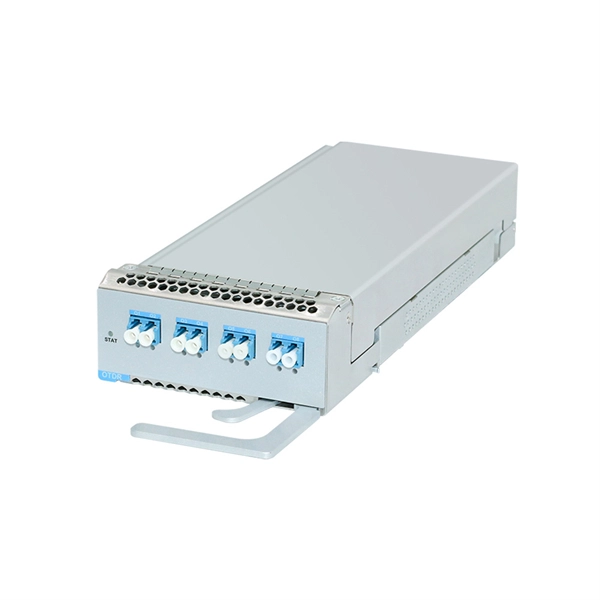
WDM 101 | Optical Communications
The evolution of WDM technology can alleviate fiber exhaust, by requiring fewer fibers to transmit and receive multiple services. By utilizing more wavelengths, the potential bandwidth capacity of a single

LAN-WDM Explained: Technology, Applications, and Benefits
Technologies such as wavelength division multiplexing (WDM) allow multiple optical signals to travel through a single fiber, significantly improving fiber utilization and network scalability.
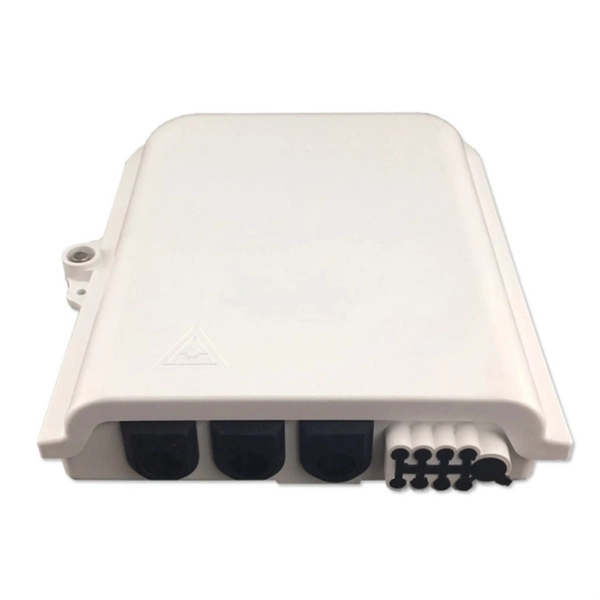
What is Wavelength Division Multiplexing (WDM): A Technical Guide
Wavelength Division Multiplexing (WDM) revolutionizes fiber optics by multiplexing multiple wavelengths (e.g., 1310–1550 nm) over a single fiber, achieving Tbps capacities with low

What is Wavelength Division Multiplexing (WDM): A
Wavelength Division Multiplexing (WDM) revolutionizes fiber optics by multiplexing multiple wavelengths (e.g., 1310–1550 nm) over a single fiber,

Wavelength-Division Multiplexing: Boost Network
Wavelength Division Multiplexing (WDM) is not just about boosting bandwidth. It''s about unlocking the full potential of existing networks, enabling cost savings, driving sustainability, and
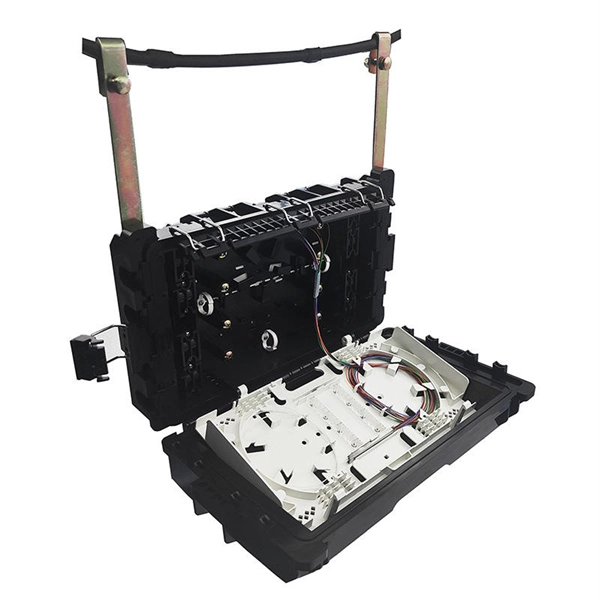
WDM Basics: Understanding Wavelength Division Multiplexing
Wavelength division multiplexing (WDM), known as the classic technology that provides optimal solutions for transporting large amounts of data between sites.

Wavelength Division Multiplexers (WDM)
Furthermore, by using different wavelengths for each channel, WDM effectively increases the transmission capacity of fiber-optic links. This allows for more efficient utilization of the optical fiber

How Wavelength Division Multiplexing (WDM) Works
Wavelength Division Multiplexing achieves its capacity increase by exploiting a physical property of light: different wavelengths, or colors, can travel through the same medium independently.

Wavelength Division Multiplexers (WDM)
Explore the fundamentals of Wavelength Division Multiplexing (WDM), its types, benefits, challenges, and future prospects in our detailed guide.
Frequently Asked Questions
- WDM wavelength division multiplexing technology
- Overall Structure of a Wavelength Division Multiplexing WDM System
- WDM Wavelength Division Multiplexing Characteristics
- Wavelength Division Multiplexing WDM Single Wavelength 400G Optical Module
- Troubleshooting Wavelength Division Multiplexing System Faults
- Optical Wavelength Division Multiplexing Diagram
- System Architecture of Optical Wavelength Division Multiplexing
- Analysis of Optical Wavelength Division Multiplexing Technology
- Customized Process for Anti-Electrical Tracking in Broadcast Transmission Wavelength Division Multiplexing
- Is SDH wavelength division multiplexing