We've talked about why cable management is important. But how do you get started? The first step is to have a plan. Before you even begin, look at where the cables enter and leave your equipment. For exa.
[PDF]
is a country in, in the northern part of the. It claims sovereignty over. Over time North Korea has gradually distanced itself away from the world movement., an ideology of, was introduced into as a "creative application of " in 1972. The are owned by the state through.
[PDF]
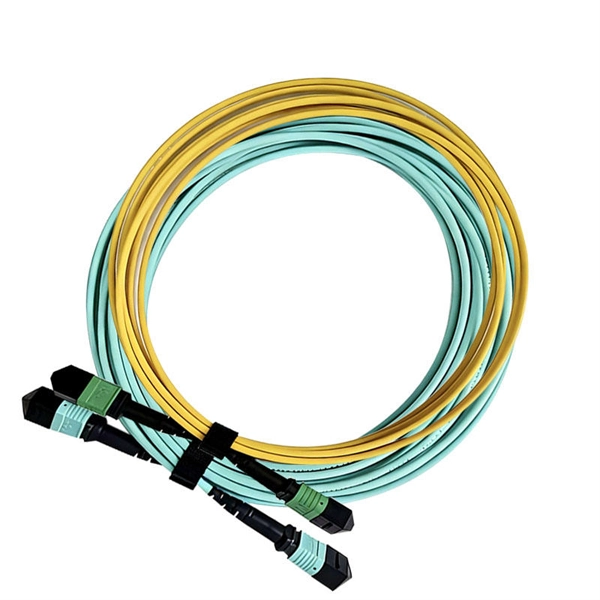
A cable management rack is designed to route, protect, and organize copper and fiber cables inside network cabinets. Beyond keeping cables tidy, a well-structured cable manager reduces cable stress, improves heat dissipation, and ensures bend-radius compliance for data transmission. This article provides a clear technical view of cable management racks, their structures, and how to select the right solution for modern networks. Cable management in server racks simply refers to organizing, routing, and securing power and data cables so they stay neat, accessible, and. Simply put, a cable rack is a structured set of shelves designed to organize, protect, and manage cables in various settings. These racks range from simple, affordable options to complex, high-capacity models that accommodate a vast number of cables. The benefits of using cable racks are numerous. Horizontal cable management is a cornerstone of efficient IT infrastructure, ensuring that server racks and enclosures remain organized, accessible, and functional., Ethernet, fiber optic, coaxial). At its core, it aims to: Minimize cable tangling, kinking, and wear. Simplify troubleshooting and maintenance. As businesses increasingly rely on robust network infrastructure, proper cable organization becomes critical for.
[PDF]

In the Iran Data Center Rack Server market, providers offer high-density server solutions designed to maximize computing power while minimizing space and energy consumption. These rack-mounted servers are essential components of modern data center infrastructures. HP rackmount servers are innovative in design and are high-performance servers that can handle critical and heavy workloads with ease. They enhance your IT. The NIN Gateway Hub, internally referred to as "Project Bonyan," is a strategic $1 billion infrastructure project designed to serve as the backbone of Iran's National Information Network (NIN). By combining high core counts, scalable memory, and efficient system layouts, these. In Iran, the Data Center server market shows a growing demand for high-performance computing solutions. The Server market focuses on large-scale, high-performance data-processing units, such as standalone servers and server racks, predominantly utilized in data centers for intensive computing. • Internal redundancy achieved by using 3x fans. Options : server, with glass door, cabling.
[PDF]

