The fiber connector types, sometimes referred to as terminations, link fiber optic cables together through terminals, switches, adapters, and patch panels, by bridging the gap between their internal glass fi.
[PDF]

Without proper crimping, even minor movements can cause the cable's fibers to shift, resulting in a weak or broken connection. it also facilitates a smooth and efficient signal. When manufacturing fiber optic cable assemblies, a relatively simple step can have dire consequences if not done accurately. This is true for crimping. In fact, once all. To attach the connector to the fiber, the installer can use glue or crimping. An epoxy or other adhesive can be used to glue the fiber into the connector's ferrule, and the end of the fiber then polished. The epoxy needs curing, which can take overnight, or be speeded up using a curing oven. An. We terminate fiber optic cable two ways - with connectors that can mate two fibers to create a temporary joint and/or connect the fiber to a piece of network gear or with splices which create a permanent joint between the two fibers. A poor crimp will lead to mechanical distress resulting in optical performance d perator's training and manufacturing engineering support. The purpose of this document is to provide guidance on SENKO's recommended nted for electrical. At the heart of any robust fiber optic network lies a crucial process: Preparing a fiber cable for termination of a connector or splice. Two types of splices are used in fiber optic cabling one is Mechanical the other is Fusion. Whether you're installing a new network, expanding an existing one, or.
[PDF]
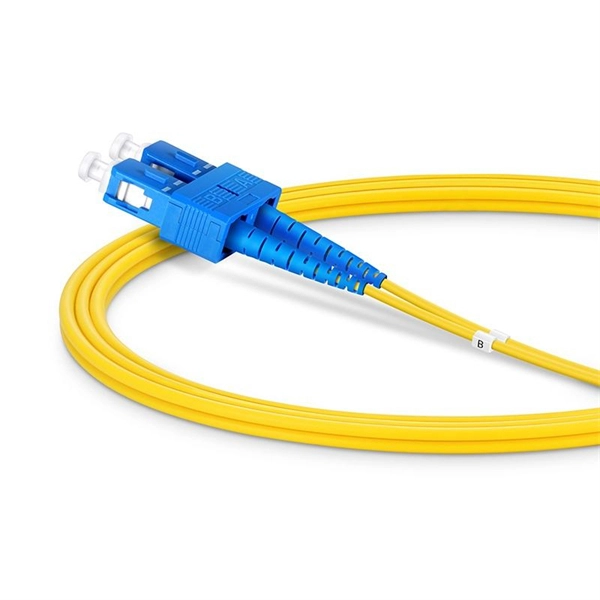
In this guide, we'll walk you through the entire process of preparing fiber optic cable for splicing and termination to fiber connectors. We'll explore the necessary tools, safety precautions, and step-by-step procedures for cable connectors, mechanical and fusion. At the heart of any robust fiber optic network lies a crucial process: Preparing a fiber cable for termination of a connector or splice. Two types of splices are used in fiber optic cabling one is Mechanical the other is Fusion. Whether you're installing a new network, expanding an existing one, or. Splicing fiber optic cable is an extremely important phase for making dependable, high-speed communication infrastructures. Regardless of the type of fiber network you're deploying, be it for telecom, enterprise data centers, or smart city infrastructure, fusion splicing provides the benefits of. Think of a fiber optic cable splice as the seamless stitching that keeps data flowing through the delicate threads of a network—like a master tailor joining fabric with precision. This article explains when. We terminate fiber optic cable two ways - with connectors that can mate two fibers to create a temporary joint and/or connect the fiber to a piece of network gear or with splices which create a permanent joint between the two fibers. These terminations must be of the right style, installed in a. So in essence, fiber optic splicing is a process used to join two separate fiber optic cables together.
[PDF]
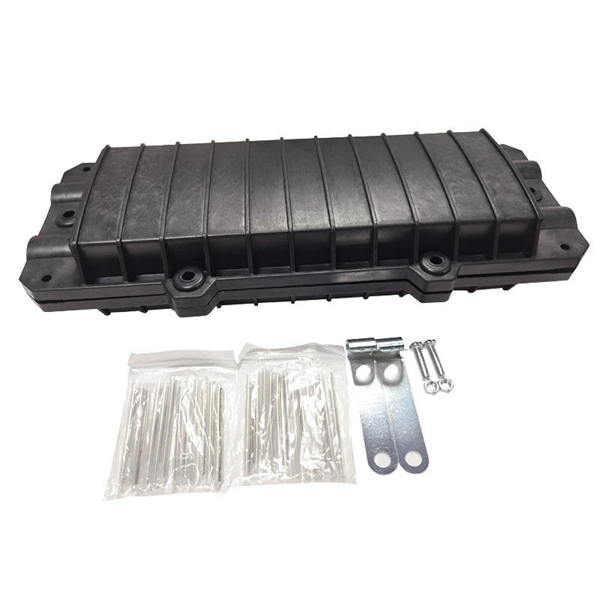
This article will compare waterproof connectors and non-waterproof connectors, highlighting their key differences, advantages, and best use cases in FTTH deployments. 🔍 What Are Waterproof Connectors?. In modern fiber optic deployments, one of the biggest challenges is ensuring stable and long-term connectivity in harsh outdoor environments. The comparison is typically triggered during outdoor deployments, edge network extensions, or hybrid indoor–outdoor transitions where connectors may be exposed. This is where Ruggedized Fiber Optic Connectors come in. Whether you are connecting a Remote Radio Unit (RRU) for Ericsson, Nokia, or Huawei, or setting up a harsh-environment sensing network, choosing the right waterproof interface is critical to preventing signal loss and network downtime. In. In today's fast-paced digital world, the choice of fiber optic connectors can significantly impact performance, reliability, and longevity of networking solutions. Among the varieties available on the market, waterproof fiber optic connectors have emerged as a superior option for many applications. In this blog, we will focus on comparing the performance of Mini LC.
[PDF]

In telecommunications, a base station is a fixed transceiver that is the main communication point for one or more wireless mobile client devices. It further connects the device to other. A communication base station is composed of a computer room, base station, antenna, feeder line (transmission line between transmitter and antenna), and supporting equipment. The antenna is at the top of the signal tower, and below the tower is a computer room. Along with increased capacity demands driven by the explosion of cloud and connected device growth, engineers need interconnects that enhance the design. A base transceiver station (BTS) or a baseband unit (BBU) is a piece of equipment that facilitates wireless communication between user equipment (UE) and a network. UEs are devices like mobile phones (handsets), WLL phones, computers with wireless Internet connectivity, or antennas mounted on. Fiber Optic Cables: High-speed fiber optic cables connect the BBU to the RRUs (RE part). Signal Transmission: The optical signals carry data, control, management, and synchronization information. Topology: The BBU and multiple radio heads can be connected in cascade or star configurations. The rise. The design investigates the possibilities of Free-Space Optical (FSO) communication systems and MilliMeter-Wave (MMW) technologies operating at 60. Although these technologies are highly effective and have a high throughput, they are nevertheless vulnerable to weather phenomena like rain.
[PDF]
On average, commercial projects range from $5,000 to $20,000 per mile underground and $40,000 to $60,000 per mile for aerial deployment. Individual business connections often cost between $15,000 and $30,000 for 100–200 network drops. Buying fiber optic installation services involves several cost components, with total price influenced by length, location, and access. The main cost drivers include trenching or aerial deployment, materials, labor hours, and any required permits. This guide presents typical price ranges in USD to. The initial cost of installing fiber optic cables can vary depending on the chosen installation method and specific project requirements. In preparing this second edition of the Fiber Deployment Cost report, Cartesian gathered inputs from a wide variety of firms building. Getting accurate cost estimates is crucial for winning fiber installation bids. Smart contractors know that underground vs aerial installation pricing varies wildly based on location and project conditions. This breakdown gives you real numbers to build better estimates. We'll show actual costs for. Home and business buyers typically see a wide range of costs for fiber optic projects, driven by distance, fiber type, conduit needs, and labor. The price can shift based on underground vs. aerial routes, equipment choices, and whether new permits are required. Some variables are less determinate.
[PDF]

Start with the simplest, fastest checks (visual inspection, cleaning, cable routing) and only move to instrumentation (power meter, VFL, OTDR) when those steps don't clear the fault. This saves time and prevents needless part swaps. HOLIGHT Fiber Optic provides factory-direct, high-performance cables, adapters, and cleaning tools for telecom, FTTH, and industrial applications. What are the most common signs of fiber cable damage? Visible cracks, flattened jackets, sharp bends, dirty connectors, and corroded ferrules are. Fiber optic cables are the backbone of modern high-speed internet, television, and communication systems. Designed to transmit data using light pulses, these cables offer exceptional speed, bandwidth, and reliability. While these cables are engineered for durability (with some rated to last 25+ years), they are not invulnerable. Accidental cuts, breaks, or other damage can disrupt your network and cause costly downtime. With the right tools and techniques, you can efficiently repair damaged fiber cables and restore. Fiber optics is a technology that utilizes thin strands of glass or plastic, called optical fibers, to transmit data in the form of light pulses. This technology has revolutionized the field of telecommunications, offering significantly higher bandwidth and faster signal transmission compared to.
[PDF]

The OPPC cable (Fiber Optic Composite Aerial Phase Conductor) is an innovative optical cable that integrates electrical power transmission and optical fiber communication. By incorporating fiber optic units inside the phase conductor, it ensures both energy transmission and. Electrical utilities have networks used to transmit and distribute electrical power over a large geographic area. In their served areas will be power generating stations, alternative energy sources (solar, wind, geotherman, etc. ), substations for distribution and microgrids. These networks must be. wer transmission systems. The cable is used in power transmission lines, due to its excellent performance in low and medium-voltage electrical networks. This article will provide some knowledge of OPPC cable. What is OPPC. Optical Phase Conductor (OPPC) is used as an alternative telecommunications solution when there is no existing ground wire, meaning Optical Ground Wire (OPGW) is not a viable option. It combines optical fiber technology with traditional conductors, enabling real-time monitoring, improved performance, and increased reliability of.
[PDF]
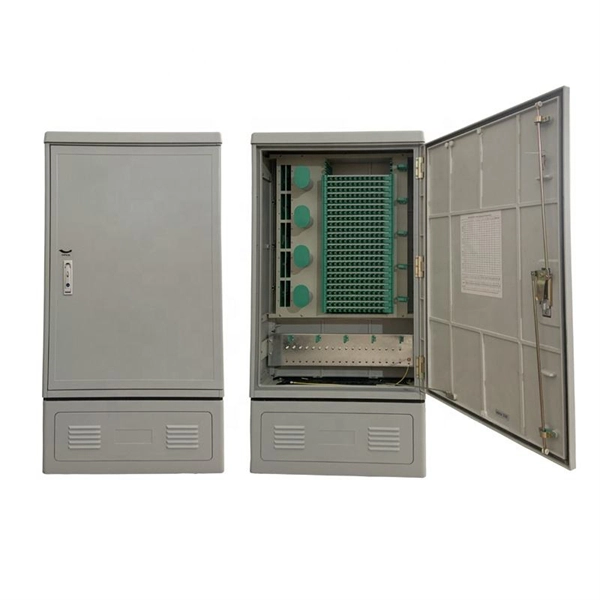
This cabling system organizes and manages fiber optic cables and copper cables through cable trays, patch panels, and structured cabling systems, enabling easy maintenance and scalability. Fiber and Cat6a can run together in shared trays when properly separated. Protect the fiber bend radius at all transition points. Avoid stacking heavy copper bundles on delicate fiber. Separate power cables from data cabling. Prevent tray overcrowding to maintain airflow. Wire mesh trays enhance. Data center cabling refers to the organized system of cables and related infrastructure to connect and manage the various components within a data center. This system ensures efficient data transmission and reliable connectivity in a data center environment. Structured cabling is a methodical. As data centers continue to grow in complexity and scale, efficient fiber optic cabling is essential for maintaining high performance, reliability, and scalability. Cabling not only supports current performance but also ensures future adaptability. Proper planning and implementation of cabling infrastructure can significantly reduce downtime, improve airflow, and ensure.
[PDF]

This helps keep fiber optic cables safe from harm and signal problems when you put them in. Use the right lubricant. Follow the rules for tension and bend radius. Try new methods like air blowing. Use smart. Fiber optic cable is strong, reliable and built for long-term performance, but it still needs to be handled correctly during installation. This article explores recommendations for pulling and installing fiber optic cable. Most fiber optic cables boast a pull strength of 100 – 200. Fiber optic cable and copper twisted-pair cable may seem alike at first glance. Both types come in a coil or on a reel and are typically installed in the same areas with similar tools and techniques. Yet the materials differ greatly. A copper wire can take a twist with little worry, but glass. Installing fiber optic cable requires precision, skill, and a commitment to safety, especially when using powerful underground cable pullers. While these tools boost efficiency, their complexity introduces risks that demand proactive management. This guide provides a comprehensive overview of. When deploying fiber links in data centers, LANs, or even in outside plant networks, fiber is pulled between equipment and spaces through pathways, cable managers, cable tray, risers, or conduit. This makes sure the cable pull is smooth and safe. Use smart monitoring devices.
[PDF]
Prices range from $50 to $200, depending on size and material. The manufacturing cost of fiber optic cable depends on factors such as the type of fiber, cladding material, and production scale. Commercial building installations with 100-200 network drops generally range from $15,000 to $30,000. Single-mode fiber costs less per foot than multimode fiber, but it requires more. The actual price of such cables varies significantly based on several factors including cable type (single-mode vs. multimode), length, jacket material (indoor, outdoor, or armored), installation environment, and brand reputation. For instance, single-mode 4 core cables, which use OS2 fiber and. This guide outlines the major factors that influence fiber optic cable costs and provides practical tips for estimating pricing in bulk or project-based scenarios. 1 What's the Typical Price Range? 2 1. Fiber Count and Cable Construction 3 2. Fiber. Buyers typically pay for fiber optic cable by length, fiber type, and installation complexity. This guide presents ranges in USD and practical price estimates to help. Single-mode fiber (OS2): This is the industry workhorse. In 2025, the base glass price has stabilized. You are looking at $0., 12-core vs 96-core) and brand. First and foremost, fiber cables are either singlemode or multimode. Singlemode cables with a small core diameter of 9 microns use high-power laser light sources to support high-speed.
[PDF]

The fiber optics market is experiencing robust growth, propelled by the rising demand for high-speed communication networks, expanding internet penetration, and the rapid adoption of cloud services and data-intensive applications. The " United States High Density Fiber Optic Cables market " has witnessed significant growth in recent years, and this trend is expected to continue in the foreseeable future. Introduction to United States High Density Fiber Optic Cables Market Insights The United States High Density Fiber Optic. The fiber optics market is projected to grow from USD 9. 7 billion in 2025 to USD 24. Glass fibers will dominate with a 57. 2% market share, while single-mode will lead the cable type segment with a 63. At the same time, the supply chain supporting fiber deployment faces new challenges that require a coordinated response from all. Fiber optic cable market has emerged as vital part of the worldwide telecommunications and data transmission system. The market size, estimated at $50 billion in 2025, is projected to expand. Fiber optic cable is a cable containing one or more optical fibers that are used to carry light signals over long distances with minimal loss. These cables consist of glass or plastic fibers that transmit data through pulses of light, offering significantly higher bandwidth and faster transmission.
[PDF]
The manufacturing process of fiber optic cables involves several crucial steps, including fiber production, cable assembly, testing and quality control, and packaging and distribution. Each step ensures that the cables are produced to the highest standards and can efficiently. The digital revolution continues to drive unprecedented demand for high-speed, reliable data transmission. At the heart of this transformation lies fiber optic cable manufacturing, a precise and sophisticated process that powers our interconnected world. With the global fiber optic market reaching. Fiber optic cables are the backbone of today's high-speed internet, telecommunication systems, and data transfer technologies. Unlike traditional copper cables, fiber optic cables use light signals to transmit data, which allows them to carry large amounts of information at extremely high speeds. The production of optical fiber is a precision-driven process that transforms raw materials like silicon tetrachloride into ultra-thin, high-performance fibers capable of transmitting terabits of data over thousands of kilometers. With the increasing demand for faster and more reliable connectivity, the construction of optical fiber cable factories has become essential. This hair-thin strand of glass or plastic transmits data as pulses of light over long distances with minimal signal loss. The first step in.
[PDF]
