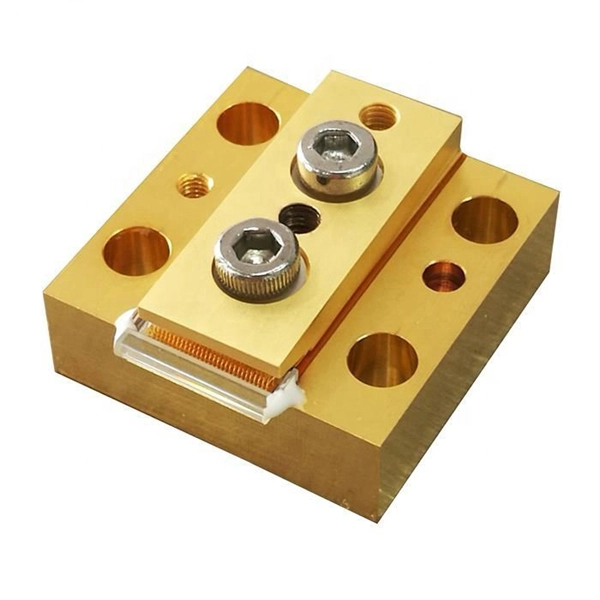
Discover APAR Gigavolt hybrid power and fibre cables that cut rollout time, simplify cable management and lower TCO for 5G, IoT and DAS networks. CommScope bundles hybrid cabling to your custom specifications, using our high-performance fiber-optic, unshielded twisted pair and coaxial cables. Buy Direct From The Online Leader in 10-Gigabit Rated Copper and Optical Cables. We always maintain high stocking levels of the. DuetConnect Hybrid Copper-Fiber Cables allow one cable to offer the advantages of DC power and fiber, safely delivering both over long distances to remote locations where standard power is unavailable or too costly to install. These cables integrate fiber optics for high-speed data transfer and copper conductors for power delivery. American Tech Supply is a telecommunications based national stocking distributor of Hybrid Fiber Optic Cables, Hybrid Fiber Cables, Hybrid Singlemode Fiber Optic Cable, Hybrid Multimode Fiber Optic Cable,singlemode fiber optic cable and multimode fiber o ptic cables ranging from 2 fiber to 264 576. Juniper offers a broad portfolio of high-performance and cost-effective optical and electrical cables in various form factors and speeds for data center and campus networks. A wide selection of breakout configurations enables network operators to split out to lower speeds of Ethernet, increase port.
[PDF]
This comprehensive guide will delve into the most effective practices, key considerations, and strategic approaches for designing and implementing an efficient cabling system within a data center environment. At the core of data center connectivity are fiber optic cables, which are thin strands of plastic that transmit data using light signals or wavelengths, offering unparalleled speed and efficiency. The data superhighway paved by fiber optics forms the backbone of modern data centers, ensuring rapid. An end-to-end cabling system is an ideal solution for data centers especially when time for traditional cable installation and termination is limited. Explore advanced configurations, testing protocols, and industry best practices. As the demand for data surges, these switches become more vital in sustaining networks that are efficient, scalable, and. As data centers continue to grow in complexity and scale, efficient fiber optic cabling is essential for maintaining high performance, reliability, and scalability. Proper planning and implementation of cabling infrastructure can significantly reduce downtime, improve airflow, and ensure. center hardware layout design. This map should include the cabinet placements, patch panels, hardware, port-counts, trunking locations and power access connection points. Future plans for change will be discussed, as well as the bandwidth required. infrastructure design. The design's intent is to.
[PDF]
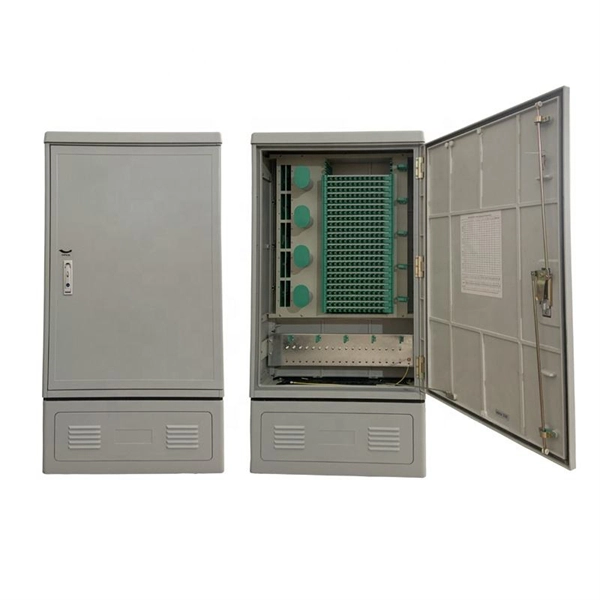
This cabling system organizes and manages fiber optic cables and copper cables through cable trays, patch panels, and structured cabling systems, enabling easy maintenance and scalability. Fiber and Cat6a can run together in shared trays when properly separated. Protect the fiber bend radius at all transition points. Avoid stacking heavy copper bundles on delicate fiber. Separate power cables from data cabling. Prevent tray overcrowding to maintain airflow. Wire mesh trays enhance. Data center cabling refers to the organized system of cables and related infrastructure to connect and manage the various components within a data center. This system ensures efficient data transmission and reliable connectivity in a data center environment. Structured cabling is a methodical. As data centers continue to grow in complexity and scale, efficient fiber optic cabling is essential for maintaining high performance, reliability, and scalability. Cabling not only supports current performance but also ensures future adaptability. Proper planning and implementation of cabling infrastructure can significantly reduce downtime, improve airflow, and ensure.
[PDF]
In part one of GIGABYTE Technology's latest Tech Guide, we explore the industry's most advanced cooling solutions so you can evaluate whether your data center can leverage them to get ready for the era of AI. 9 thermal guidelines applied to AI data center cooling — H1 high-density class, B200/GB200 implications, and what's coming in the next revision. Liquid. As Artificial Intelligence (AI) and High-Performance Computing (HPC) workloads drive rack densities beyond 50kW, traditional air cooling is reaching its physical and economic limits. Liquid cooling—specifically Direct-to-Chip (D2C) or Cold Plate technology—has emerged as the standard solution for. Modern AI accelerators have dramatically increasing power requirements, with TDPs rising from 300W (V100) to over 1,400W (MI355X) Heat Output = 700W × 0. 5W thermal BTU/hr = 696. Traditional air-cooling methods are struggling to keep pace with cooling the data center. Compute infrastructures for training large AI models are similar to high-performance computing (HPC) systems, which have long been used for demanding tasks in fields such as engineering, scientific research and finance. Industry insiders familiar with the natural progression of the modern data center will.
[PDF]

This is after the country's government signed an agreement that Liquid Intelligent Technologies will build one in the country. The agreement is part of an initiative to accelerate the country's digital transformation and provide reliable and affordable connectivity to all Zambians. To effectively undertake its mandate, the IDC has developed a five -year Corporate Strategic Plan. The Plan defines among other things, the IDC's Clients and their needs, the Vision, Mission, Goal, Objectives, Strategies and expected outcomes for the Corporation. You may be offline or with limited. We seek to provide an effective and efficient procurement service to the IDC and its stakeholders through procurement best practices and optimal resource management, in compliance with the IDC policies and relevant procurement regulatory framework. Zambians are set to have a new data center. This analysis aims to provide key insights into. ITWeb proudly displays the “FAIR” stamp of the Press Council of South Africa, indicating our commitment to adhere to the Code of Ethics for Print and online media which prescribes that our reportage is truthful, accurate and fair. Should you wish to lodge a complaint about our news coverage, please. ©2026 Government of the Republic of Zambia.
[PDF]
The SmartAisle offering optimizes infrastructure deployment and management with an intelligent row-based system that integrates data center racks, power, row cooling, aisle containment, monitoring and control technologies for spaces with up to 40 racks. The Swedish market for Cold Aisle Containment (CAC) systems represents a critical and sophisticated segment within the nation's broader data center infrastructure landscape. Characterized by a strong emphasis on energy efficiency, sustainability, and technological innovation, the market is driven. Ardmac have developed a range of Ground Supported (GS) and Ceiling Supported (CS) assemblies catering to an array of different modular clean rooms and off-site construction industry requirements including data centre design and data centre construction. Structural ceiling grids support the. Complete aisle containment solutions and cooling systems for hot and cold air separation. Optimizing the air flow in your POD and data center has several benefits, including reducing energy costs and improving efficiency. It maximizes the system's efficiency, minimizes its power consumption, and reduces its footprint, making it the perfect solution for medium- to. To increase the "Energy Efficiency" and manage the "Physical Security & Access Control" in data center environments, KabinPLUS offers Data Center Aisle and Containment Solutions.
[PDF]

Two solutions use containment of the cold aisle, while the third is based on hot aisle containment. Intake air (cold) and waste air (hot) are unable to mix. It is possible to operate at a higher temperature level through-out the entire system. Cold aisle containment creates an enclosed corridor in front of server cabinets, ensuring that the coldest air goes directly into equipment intakes. By isolating the cold aisle, containment reduces unintended mixing of cold supply air with hot exhaust air, maintaining uniform, predictable. An aisle containment system is a simple way to improve cooling efficiency in hot aisle/cold aisle rack configurations. Essentially creating a room within the aisle, the system helps keep hot and cold air separated to make existing air conditioning systems in data center and edge-of-network. Traditional open aisle data centers use perimeter PAC (precision air conditioning) or CRAC (computer room air conditioning) units to channel cold air up through a raised floor void via grilles positioned in front of the IT cabinets. This has significant disadvantages as there is no separation. Aisle containment is a critical airflow management strategy that separates cold supply air from hot exhaust air within a data center. An enormous amount of energy is used every day to maintain an acceptable intake.
[PDF]

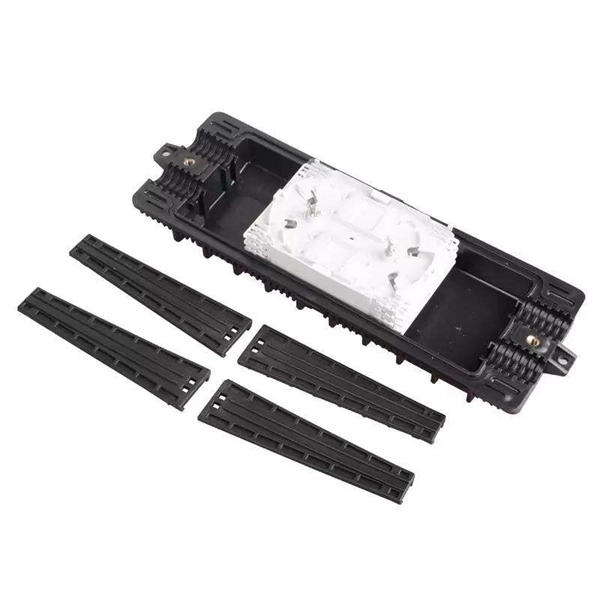
In this guide, we'll walk you through exactly how to splice fiber without a fusion splicer, covering the tools you need, the step-by-step process, performance specs, and common mistakes to avoid. By the end, you'll be equipped to make clean, low-loss connections in any. In this guide, we cover the basics of fiber optic splicing, how to perform splicing using two different methods, and finally some best practices to perform good fiber splicing. What is Fiber Optic Splicing and Why is it Needed? – #1. Use and Maintain Your. Optical fiber fast connectors, also known as cold connectors, are becoming increasingly popular due to their ease of use and quick installation. Unlike traditional fiber connectors that require epoxy and polishing, fast connectors use a mechanical splice to join the fibers. What is a. Three methods for connecting two fiber optic cables: fusion splicing, mechanical coupler, and splicing. Whether repairing a broken cable or extending a fiber run, fiber optic splicing ensures light signals travel. Fiber optic splicing is the art and science of joining two separate optical fibers to create a continuous light path. This process requires precision, patience, and a deep understanding of the delicate nature of optical fibers. Before any splicing can occur, whether it's mechanical or fusion.
[PDF]

The optical fiber cold joint is used when two pigtails are docked. The main part inside it is a precise V-shaped groove. It is used to connect optical fiber or optical fiber butt pigtail, which is equivalent to making a joint (fiber butt pigtail refers to the butt joint of the fiber core of the optical fiber and the pigtail instead of the pigtail head mentioned in the former), and is used for this kind of cold. When installing a fiber optic network, connectors are required to connect both ends of the fiber optic cable. Common splicing methods include optical fiber cold splicing and optical cable hot fusion splicing. Advantages and disadvantages of fiber optic cold splicing Fiber cold splicing refers to. Mechanical splicing involves physically aligning and holding two fiber ends together using mechanical means. This method is typically used for permanent connections, but it allows for disassembly without damaging the fiber ends. Mechanical splices are often preferred for their simplicity and. Optical fiber transmission offers numerous advantages, including a wide frequency bandwidth, high communication capacity, low signal loss, immunity to electromagnetic interference, compact cable size, and the availability of abundant raw materials. As a result, it has become a preferred medium for. Executive Summary: A fiber optic pigtail is one of the most commonly specified yet least understood components in structured cabling.
[PDF]

This article describes the appearance, cause, & problems that may occur at cold pour joints in concrete foundation walls and occasionally floors or ceilings. A contraction joint is formed, sawed, or tooled groove in a concrete structure to create a weakened plane to regulate the location of cracking resulting from the dimensional change of different parts of the structure. An isolation joint is a separation between adjacent sections of a concrete. These joints are points where two separate pours of concrete meet, typically due to construction delays, changes in weather, or timing issues during pouring. Here's everything you should know about slab cold joints: What Are Slab Cold Joints? Slab cold joints occur when freshly poured concrete. But do you know what concrete cold joints are? A cold joint in concrete is an area or surface with a structural discontinuity caused by the delayed concrete pouring between two layers of concrete. These joints play a crucial role in maintaining the structural integrity and durability of the.
[PDF]

Align the fiber with the connector's guide. Ensure the fiber does not bend or twist during insertion. A proper fit prevents signal loss and enhances performance. Secure the connection using the fast connector's. Optical fiber fast connectors, also known as cold connectors, are becoming increasingly popular due to their ease of use and quick installation. Unlike traditional fiber connectors that require epoxy and polishing, fast connectors use a mechanical splice to join the fibers. In this article, we will. At the heart of any robust fiber optic network lies a crucial process: Preparing a fiber cable for termination of a connector or splice. Two types of splices are used in fiber optic cabling one is Mechanical the other is Fusion. Whether you're installing a new network, expanding an existing one, or. Optic Fiber cleaving, and mechanical splicing through very simple processes in this short series of videos. Thank you for supporting us by viewing our content. Doubts and suggestions? Leave us you. more Audio tracks for some languages were automatically generated. The primary purpose of a fast connector is to ensure a stable and reliable link. Connecting a fiber optic cable to a connector is a precise task that requires careful attention to detail, as well as some specialized tools and equipment. These terminations must be of the right style, installed in a.
[PDF]

Find 1U Fan Unit in Belgium. Buy 1U Fan Unit at the best price from Norden Communication, one of the leading manufacturers and suppliers of 1U Fan Unit in Belgium. ClarkDietrich U-Channel or Cold Rolled Channel (CRC) are one of the most common bridging methods used to provide resistance to stud rotation and minor axis bending under wind and axial loads. Enter a zipcode to see prices Already an account? Log in to see your prices U-shaped cold-rolled sections are long products of various shapes, and their section is obtained by cold rolling. They have good weldability and deformability which makes them a good choice for decorative purposes. Mint condition. Screws, box and power cable included. This item is sold As-Described and cannot be returned unless it arrives in a condition different from how it was described or photographed. For Europe, France, Belgium, Poland, Russia, Slovakia & Czechia. This model in the PDU16 series is a 1U distributor with ten switchable channels protected by an overload trip switch. Each numbered channel has a dedicated rocker switch with neon.
[PDF]

Using a precision-aligned, factory pre-polished ceramic ferrule, this connector enables fast on-site fiber connection while maintaining stable optical performance. 【Stable transmission】Telecom level standard SC for APC fast cold connector (Insertion Loss <0. 3dB, Return Loss: >50dB) with A-level tricyclic ceramic core, which can be reused upto 1000 times. 【PEI material】 The main body of the connector is made of PEI materials, supports operation temperature. As a leading supplier of advanced fiber optic components, Molex has an extensive product offering that includes a full range of optical solutions from connectors, adapters and cables to backplanes and high-density interconnects. Molex's experience and resources provide customers a wide range of. FiberMania provides OEM and private label services with custom specifications and packaging. The Quick Connect Fiber Optical Cold Fast Splicer Connector is engineered for rapid and reliable fiber termination without the need for epoxy, polishing, or specialized splicing equipment. Utilizing a. Fiber optic cold connection, also known as mechanical splicing, is a widely used method of connecting optical fibers in a network. Unlike fusion splicing, which uses heat to join two optical fibers together, cold connection uses mechanical means to create a stable and low-loss connection.
[PDF]