Data center rack enclosures must be 48U to maximize horizontal space. The preferred width is 24 inches with vendor neutral mounting rails that are fully adjustable and compatible with all EIA-310 Electrical Industry Alliance Standards compliant with 19” wide equipment. • Extended battery module increases runtime by hours. • PowerPass Distribution Module allows a step-down voltage to 120V to accommodate a variety of IT equipment. The PPDM also provides a maintenance bypass, which allows you to service or replace the entire UPS without powering down IT equipment. •. Proper installation of components in a data center server rack is crucial for optimal performance, efficient maintenance, and long-term reliability of your IT infrastructure. This guide provides detailed instructions and best practices for setting up various components in your data center racks. The purpose of the Data Center and Server Room Standards is to describe the minimum requirements for designing, installing, securing, monitoring, maintaining, protecting, and decommissioning a data center or server room at the University of Kansas. Choosing the right server rack involves understanding dimensions, weight capacity, cooling needs, and the type of rack, whether open or closed frame. Regular. There are three primary rack types - open-frame racks, enclosed cabinets, and wall-mount racks, each suited for different levels of security, cooling, and equipment density.
[PDF]

This paper provides practical guidance on preparing your edge sites including how to assess the site's constraints as well as, power, cooling, and network connectivity needs. It also provides guidance on starting up the system. Micro data centers offer a compact, cost-effective alternative to traditional facilities, bringing critical compute and storage closer to where it's needed. Image: Alamy Building a full-scale, traditional data center requires millions of dollars and many months of construction. The focus of this paper is on small server rooms and branch offices. The Micro Data Center design addresses the need for a structured approach to implementing robust, integrated and secure networks in the industrial space. Adhering to Converged Plantwide Ethernet (CPwE) principles, the MDC design represents the basic requirements of the manufacturing environment. designing data centers. Many data centers around the world rely on our fiber-optic and twisted-pair cabling solutions as the physical foun ation of their networks. R&M's Automated Infrastructure Management (AIM) system has also become the basis for automating and orchestrating all MAC processes. This document describes the site requirements for installing the FusionModule2000 6. 0 smart modular data center (smart module for short) as well as the methods for installing cabinets, devices, and cables, providing installation guidance and technical support for onsite installation personnel and.
[PDF]
This comprehensive guide will delve into the most effective practices, key considerations, and strategic approaches for designing and implementing an efficient cabling system within a data center environment. At the core of data center connectivity are fiber optic cables, which are thin strands of plastic that transmit data using light signals or wavelengths, offering unparalleled speed and efficiency. The data superhighway paved by fiber optics forms the backbone of modern data centers, ensuring rapid. An end-to-end cabling system is an ideal solution for data centers especially when time for traditional cable installation and termination is limited. Explore advanced configurations, testing protocols, and industry best practices. As the demand for data surges, these switches become more vital in sustaining networks that are efficient, scalable, and. As data centers continue to grow in complexity and scale, efficient fiber optic cabling is essential for maintaining high performance, reliability, and scalability. Proper planning and implementation of cabling infrastructure can significantly reduce downtime, improve airflow, and ensure. center hardware layout design. This map should include the cabinet placements, patch panels, hardware, port-counts, trunking locations and power access connection points. Future plans for change will be discussed, as well as the bandwidth required. infrastructure design. The design's intent is to.
[PDF]
A data center is a facility used to house and associated components, such as and. Data centers are for the storage and processing of information, and they support the global financial system,, machine learning, and. Since are crucial for, a data center generally includes.
[PDF]
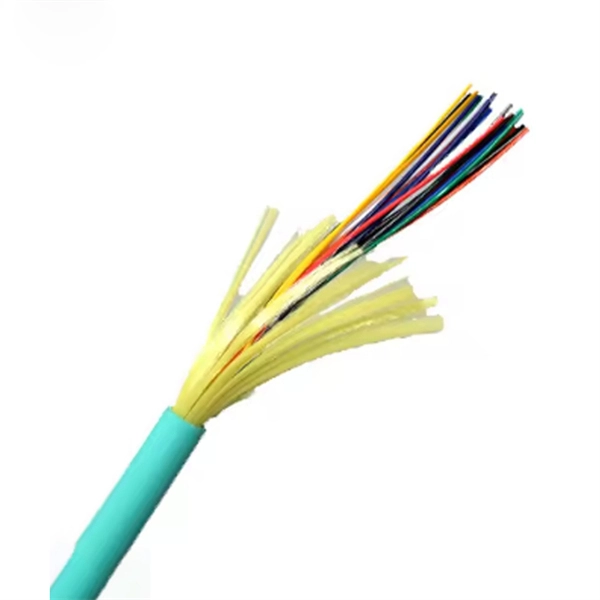
Discover APAR Gigavolt hybrid power and fibre cables that cut rollout time, simplify cable management and lower TCO for 5G, IoT and DAS networks. CommScope bundles hybrid cabling to your custom specifications, using our high-performance fiber-optic, unshielded twisted pair and coaxial cables. Buy Direct From The Online Leader in 10-Gigabit Rated Copper and Optical Cables. We always maintain high stocking levels of the. DuetConnect Hybrid Copper-Fiber Cables allow one cable to offer the advantages of DC power and fiber, safely delivering both over long distances to remote locations where standard power is unavailable or too costly to install. These cables integrate fiber optics for high-speed data transfer and copper conductors for power delivery. American Tech Supply is a telecommunications based national stocking distributor of Hybrid Fiber Optic Cables, Hybrid Fiber Cables, Hybrid Singlemode Fiber Optic Cable, Hybrid Multimode Fiber Optic Cable,singlemode fiber optic cable and multimode fiber o ptic cables ranging from 2 fiber to 264 576. Juniper offers a broad portfolio of high-performance and cost-effective optical and electrical cables in various form factors and speeds for data center and campus networks. A wide selection of breakout configurations enables network operators to split out to lower speeds of Ethernet, increase port.
[PDF]

As AI transforms computing into a race shaped as much by climate, water and power as by code, modular micro-data centers are redefining digital infrastructure by strategically shifting heavy workloads to cooler, resource-rich regions while preserving latency-critical. As AI transforms computing into a race shaped as much by climate, water and power as by code, modular micro-data centers are redefining digital infrastructure by strategically shifting heavy workloads to cooler, resource-rich regions while preserving latency-critical. Artificial intelligence and cloud computing are driving multi-gigawatt expansions in regions where interconnection queues are already stressed, leaving developers in search of reliable, round-the-clock, low-carbon power that doesn't require hundreds of acres of land. Further reading: That search is. The global data center landscape is undergoing a seismic shift, driven by the explosion of AI, edge computing, and sustainable imperatives. Housed within a single IT rack, these solutions provide robust computing power, storage, and networking for environments that require localized data. While advancements in artificial intelligence, edge and high-performance computing help drive innovation across industries, they also put the squeeze on traditional data centers. This remarkable expansion, driven by the increasing adoption of prefabrication and micro-modular data center solutions. 28, 2024 /PRNewswire/ -- According.
[PDF]
Just connect an Ethernet cable from the modem or ONT to the closest Ethernet jack, and then do the same with the router in the room where you want it (if an Ethernet jack is available, that is). The network switch connecting all your Ethernet cables should automatically pair. The process to connect fiber optic cable to router requires careful attention to detail, but I'll walk you through every critical step with the precision and clarity you deserve. This comprehensive guide combines industry standards with field-tested practices to ensure you achieve a rock-solid. Setting up an internet connection involves a complex journey, starting at the data centers where internet services are routed, and ending at subscribers' home routers. This process involves multiple fiber optic components, accessories, and networking equipment to ensure fast, reliable, and secure. However, setting up a fiber optic connection to your router can seem daunting if you're unfamiliar with the process. In this guide, we'll walk you through how to connect a fiber optic cable to a router safely and efficiently. The fiber. The primary advantage of using a wireless solution for connecting your upstairs floor to your network is that it may not require drilling holes. The simplest way to extend a Wi-Fi network is via a Wi-Fi repeater (range extender). Check compatibility: Before you begin, make sure your router supports fiber optic connection.
[PDF]

This guide covers planning, installing, managing, and maintaining fiber optic cabling systems according to industry standards like TIA-942, BICSI, and FOA guidelines. You'll learn how to: Disorganized cabling creates direct financial consequences. Cable management involves organizing and securing network cables in a data center to ensure efficient operation and maintenance. It also facilitates easy. Data center performance and reliability fundamentally depend on proper fiber optic cable management, especially as bandwidth demands and density increase. According to the Uptime Institute's 2024 Annual Outage Analysis, over 54% of significant data center outages cost more than $100,000, with 16%. Effective data center cable management isn't just about aesthetics—it's about maximizing efficiency, ensuring reliable operation, and supporting future growth. With data volumes increasing in modern data centers, the complexity and density of cabling infrastructure continue to grow. Data center cable management includes methods, procedures and products to keep the cabling infrastructure in a neat and proper condition during the full data center lifecycle. With multiple tenants and varying connectivity needs, optimizing cabling strategies is essential. With data centers' growth in size and complexity, a holistic approach toward cable organizations would significantly cut down service restoration and improve cooling and maintenance.
[PDF]

Typical project ranges for a single distribution box install span from $500 to $3,000, with most residential jobs landing around $1,000 to $1,800. For multi-box configurations or complex trenching, costs often exceed $2,500. Homeowners typically spend several hundred to several thousand dollars for distribution box work in septic systems, depending on system size, material, and installation complexity. The main cost drivers are the number of boxes, trenching, backfill, and permit requirements. This guide outlines typical price ranges, how costs break down, and regional differences to help homeowners budget accurately. Costs vary based on the materials used, local labor rates, and permitting fees in your area. The cost is driven by box size, material, and installation requirements, with price ranges reflecting basic plastic units up to heavier-duty or re-locatable options. The following. Septic distribution box replacement costs between $500 and $1,500, with your box material and outlet size determining your final total. Your distribution box outlet count depends on household size and how many septic lines drain to the leach field. Even the most skilled DIY homeowners should hire a plumber to tackle the job, which can cost anywhere from $550 to $1,800. Labor makes up the largest portion of the cost to replace a septic distribution box, running as high as $1,200 for.
[PDF]

The following tutorial explains how to wire split-phase (240V single-phase) circuit breakers and load points in a residential distribution panel. A distribution box is the heart of any electrical system. It takes the incoming power and safely distributes it to different circuits throughout your building. Whether in a home or an industrial facility, this box keeps your electrical setup organized, functional, and efficient. However, the key to. Household distribution boxes are essential components in modern electrical systems, providing a centralized location for managing electrical circuits within a home. While many families are familiar with these boxes, there is often a lack of understanding regarding their specifications and proper. While overhead lines have been ordinarily considered to be less expensive and easier to maintain, developments in underground cables and construction practices have narrowed the cost gap to the point where such systems are competitive in urban and suburban residential installations, which. Understanding how to safely set up the main connections of a home's power distribution system is essential for ensuring reliable and secure operation. Proper knowledge is crucial for. To install a whole-home backup power system, start by evaluating your home's power needs and choosing the right backup solution. Let's explore how these critical components work and why they deserve your attention.
[PDF]
The SmartAisle offering optimizes infrastructure deployment and management with an intelligent row-based system that integrates data center racks, power, row cooling, aisle containment, monitoring and control technologies for spaces with up to 40 racks. The Swedish market for Cold Aisle Containment (CAC) systems represents a critical and sophisticated segment within the nation's broader data center infrastructure landscape. Characterized by a strong emphasis on energy efficiency, sustainability, and technological innovation, the market is driven. Ardmac have developed a range of Ground Supported (GS) and Ceiling Supported (CS) assemblies catering to an array of different modular clean rooms and off-site construction industry requirements including data centre design and data centre construction. Structural ceiling grids support the. Complete aisle containment solutions and cooling systems for hot and cold air separation. Optimizing the air flow in your POD and data center has several benefits, including reducing energy costs and improving efficiency. It maximizes the system's efficiency, minimizes its power consumption, and reduces its footprint, making it the perfect solution for medium- to. To increase the "Energy Efficiency" and manage the "Physical Security & Access Control" in data center environments, KabinPLUS offers Data Center Aisle and Containment Solutions.
[PDF]
Picking up the best router for fiber internet isn't just about going to the market and choosing one of the best wireless routers. Instead, you need to carefully look at its specs, performance, and the type of securit.
[PDF]

This video shows real on-site footage of electrical installation, demonstrating safe and standardized wiring methods used by professionals. An electrical distribution box, also known as a power distribution box, panelboard, or consumer unit, is the core of an electrical system. It has three categories: residential, commercial and industrial electrical distribution boxes, all of which play important roles in their respective electrical. Learn how to install a distribution box safely and correctly. Covers wiring, placement, standards, and expert tips for a compliant setup. It takes the incoming power and safely distributes it to different circuits throughout your building. Whether you're a homeowner looking to understand your electrical setup, an electrician seeking comprehensive guidance, or a facility manager planning an upgrade, understanding distribution boxes is vital for electrical safety and efficiency. more Learn how to wire a distribution box step by step! This video shows real on-site footage of. In modern electrical systems, cable distribution boxes (also known as electrical distribution boxes or distribution boxes) play a crucial role as the key hub for managing, distributing, and protecting circuits. Just like travelers need clear pathways and safety protocols, your electrical circuits need proper management to prevent chaos. The National Electrical Code (NEC) requirements might seem like bureaucratic.
[PDF]