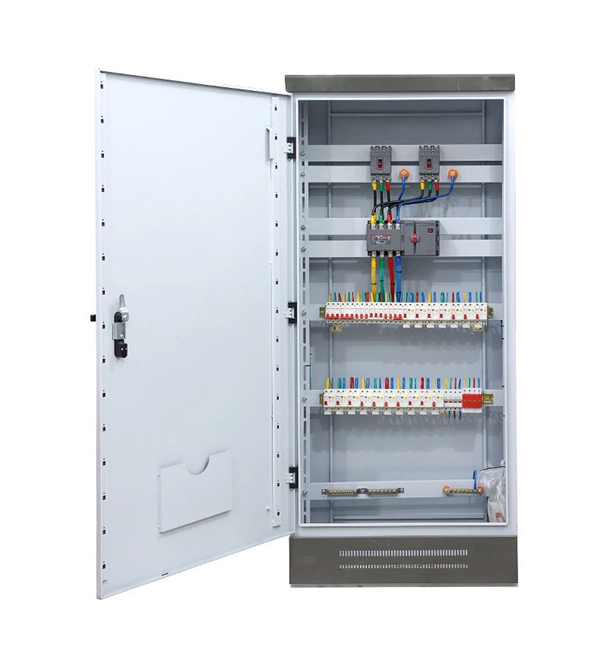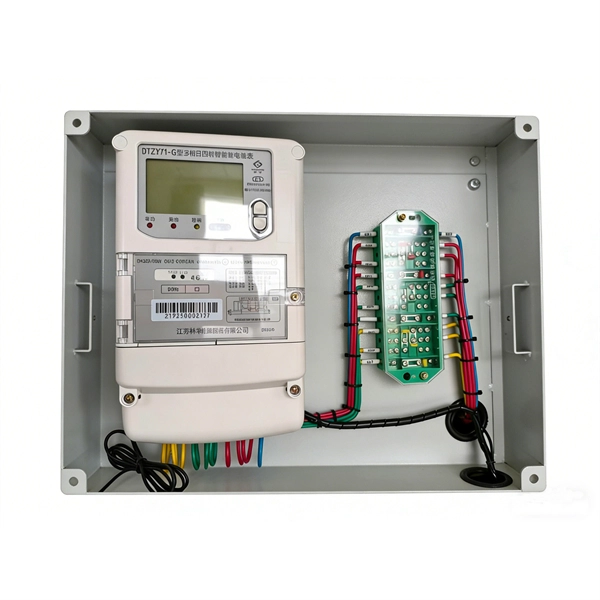
On the US market, a 5. 26 mm 2 (10 AWG) ground wire must be used, and in all other markets a 6 mm 2 must be used. Grounding of the units: Attach a ground wire from one of the threaded studs (A) at the bottom of the housing, to the mounting plate (B). Power from factory ground must be installed by a qualified electrician. Each DISTRIBUTION BOX and controller must be grounded. Whether you're a seasoned pro or just starting out, this comprehensive guide will give you practical. To define the technical specifications for the supply of Fibre Optic Overhead Ground Wire (OPGW) for installation on extra high voltage power lines, under the responsibility of Tasmanian Networks Pty Ltd (hereafter referred to as 'TasNetworks'). This standard applies to all OPGW purchased for. 4. FO-VC2 JOINT USE - VERICAL MIDSPAN CLEARANCES 48. FO-GB GROUNDING AND BONDING 49. FO-RI JOINT USE RISER. The requirement includes the design, supply, stringing and splicing of OPGW cable on 400KV, 220KV & 132KV Transmission Towers. This specification defines the design, material, performance and test requirements for fibre optic cable to support the fibre optic telecommunication needs. The work. IPMENT, STRUCTURES, ETC. IN ELECTRICAL STATIONS INCLUDING TRANSMISSION AND DISTRIBUTION SUBSTAT GR THAN 8 FT FROM THE FENCE. THE FENCE SHALL BE GROUNDED SEPARATELY FROM THE GRID UNLESS OTHERWISE NOTED ON THE A PROPRIATE PROJECT DRAWING. FOR FENC G O OUTSIDE CLEARANCE SPACING. SEE APPLICATION.
[PDF]
148 (Grounding Conductor): Requires metallic junction boxes—and by extension, cabinet doors—to bond to ground using a designated grounding screw or clip. 28 (Box Materials): Metal boxes (like your cabinet) must be reliably grounded and bonded . NEC 250. A main bonding jumper is required to bond the service disconnect enclosure to the service neutral conductor [250. 28 (Box Materials): Metal boxes. All metal enclosures containing service conductors, such as meter socket enclosures and service disconnects, must be bonded to the grounding electrode system. 11 (D) is titled “Service Disconnecting Means” and requires a disconnecting means in compliance with Parts VI through VII of Article 230 to be provided to disconnect all ungrounded conductors of a power production source from the conductors of other systems. It is. Clearance: Electrical panels must be installed in a readily accessible area with a minimum clearance of 30 inches (762 mm) wide, 3 ft (36 inches or 914 mm) deep, and 6. 5 feet (≈ 2 meter) high in front of the panel. The panelboard's door (hinged cover) shall be able to be opened to a full 90°. Switchboards and panelboards are often called “the guts” of a premises wiring system. Article 408 covers the requirements for switchboards and panelboards that control power and lighting circuits (Fig.
[PDF]

This section applies to grounding of transmission and distribution lines and equipment for the purpose of protecting employees. Note to paragraph (a): This section covers. Correct grounding of services depends upon understanding the definition and role of the grounded conductor. The neutral conductor is typically the grounded conductor connected to the system's neutral point, carrying current under normal operation. Grounding electrode conductors must be connected at. Learn the grounding and bonding rules when powering two or more buildings or structures in the same area with a single service. To catch up on Lorenzo Mari's series on National Electrical Code 2023 Basics: Grounding and Bonding, follow these links: NEC's Section 250. Bonding is connecting things together with a conductive path to establish electrical continuity. Both are foundational safety concepts in the NEC, and. NFPA 70: National Electrical Code Article 250 covers the minimum requirements for grounding and bonding and, although the NEC lists requirements to abide by, it should not be taken as a design manual. Some terms and requirements discussed may be true for the European standards, however, the intent.
[PDF]

Learn how to connect equipment grounding conductors to receptacles and keep their continuity in boxes. Sometimes if I have a 3 or 4-gang plastic nail-on switch box that has a bunch of NM cables, when I'm making up the box rather than using a big blue wire-nut for my grounds I'll separate the grounds into 2 groups and use red/tan wirenuts instead, especially if there's 2 circuits in the box. I can. In a metal box, a wire type equipment grounding conductor can be attached to the box with a ground screw or clip and terminated to the switch or receptacle in the box. Connecting the receptacle grounding terminal to the metal box ensures an effective ground-fault current path. The basic rule achieves this through an equipment grounding jumper; four exceptions. I'm using metal box has two ground screws, can I wrap around one ground wire (from supply side) on one of ground screws then connect it to the outlet and connect another ground wire (or two wires ) going to the next box (es) on the secondary ground screw? I know pig-tail method is probably better. Electrical boxes play a crucial role in housing and protecting electrical connections, ensuring safety and functionality. Among the various types of wires found in an electrical box, the ground wire is of paramount importance. It provides a path for electricity to safely flow to the ground.
[PDF]

Free electrical load calculation tool for residential and commercial buildings. Calculate service entrance sizing, panel loads, demand factors, and ensure NEC Article 220 compliance. Always verify calculations with a. Electrical load calculation is a critical process in electrical design that determines the total electrical demand of a building or facility. Proper load calculations ensure that electrical systems are safely designed with adequate capacity for present and future needs. What is Electrical Load. What is Electrical Load Calculation? 1. Connected Load (CL) 2. Demand Factor (DF) 3. It accounts. This technical drawing presents a detailed residential electrical service cabinet and main power distribution layout with accurate load calculations. The image shows meter installation, service cabinet arrangement, MCCB panel board, isolator positioning, and incoming and outgoing cable connections. This standard only addresses fixed (or. Electrical load calculator estimates power demand, ampacity, and panel capacity, guiding circuit sizing, load balancing, voltage drop checks, and NEC-compliant design for residential, commercial, and industrial electrical projects, planning safely.
[PDF]
If you use single pole MCBs then connect only phase wire from the output of the RCCB to the inputs of the single pole load MCB. Connect the earth wire to the earth link. A distribution board or distribution box is where the main power supply is distributed to multiple loads. And all the switching and protective devices are installed in the distribution box. Single Phase Distribution Box generally consists of Double Pole MCBs, Single Pole MCBs, and RCCBs. Learn how to wire a distribution box step by step! This video shows real on-site footage of electrical installation, demonstrating safe and standardized wiring methods used by professionals. Arrangement order: The circuit breakers should be arranged from left to right, and the reserved position is generally placed on the right side of the distribution box. Wire color: The neutral wire is blue, and the color of the phase wire (A phase is yellow, B phase is green, and C phase is red). In this video, we'll walk you through the process of wiring a home distribution box with a detailed connection diagram. Whether you're an electrician or a DIY enthusiast, this guide will help you understand the basics of home electrical distribution. What is Distribution Board? Distribution board. An electrical panel box, also known as a breaker box or a distribution board, is a crucial component of any electrical system.
[PDF]

This AutoCAD DWG file includes a complete Single Line Diagram (SLD) of a Distribution Board, showing circuit breakers, wiring connections, and load distribution for lighting, power, and mechanical systems. Distribution box The system diagram usually shows the electrical connection and configuration inside the distribution box in a graphical way, including busbars, circuit breakers, fuses, load devices and other elements. In practical applications, the corresponding system diagram can be drawn. An Electrical Distribution Board (DB) is an essential component of any electrical system — it receives power from the Main Distribution Board (MDB) and distributes it to various sub-circuits or equipment. Power supply is received from LT panel and distributed to the outgoing feeders for utilization. Understand its role in electrical systems and safety. Inside. The distribution box (DB box) helps safely and efficiently distribute electrical power. But what exactly is a power distribution box, and why is it so essential in our daily lives? The DB panel board controls the flow of electricity. Wiring diagram shows both PNP and NPN wiring. Actual units use PNP status indicator, NPN status indicator, or neither. Dimensions are shown in mm (in. 40 ft)] or 10 [10 m (32.
[PDF]
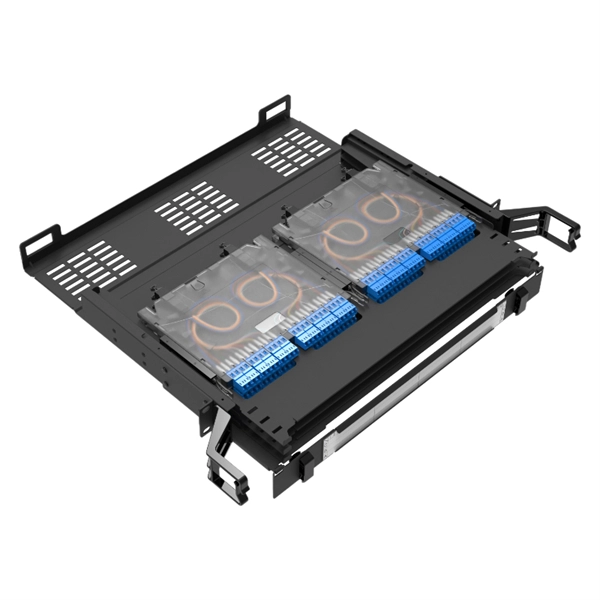
These units are engineered for safe power control, with heavy-duty enclosures, UL/NEMA ratings, and adaptable configurations to meet diverse temporary power needs. Shop products from small business brands sold in Amazon's store. Learn more PREMIUM CONSTRUCTION POWER DISTRIBUTION BOX: Crafted by WESTERN, the 6506TLSX Temp power box features a durable. Keep your job site running smoothly with our selection of power distribution centers. Trystar Portable Power Distribution delivers rugged, reliable solutions for safely managing and distributing electrical power in temporary, jobsite, event, and industrial applications. Designed for durability in tough environments, these transportable distribution units make it easy to control and. Temporary power distribution boxes attach to a power supply that allows controlling where electrical currents are rerouted. Such rerouting is necessary for renovating historical buildings that need extra electricity on different floors without disturbing the normal electrical circuitry. These power. Follow us on social media! © 2024 The Ericson Manufacturing Co. | Privacy. What's the best-rated product in Temporary Power & Disconnects? The best-rated product in Temporary Power & Disconnects is the Heavy Duty 30 Amp 600-Volt 3-Pole Outdoor Non-Fusible Safety Switch. Which brand has the largest assortment of Temporary Power & Disconnects at The Home Depot? Siemens has.
[PDF]

The following tutorial explains how to wire split-phase (240V single-phase) circuit breakers and load points in a residential distribution panel. A distribution box is the heart of any electrical system. It takes the incoming power and safely distributes it to different circuits throughout your building. Whether in a home or an industrial facility, this box keeps your electrical setup organized, functional, and efficient. However, the key to. Household distribution boxes are essential components in modern electrical systems, providing a centralized location for managing electrical circuits within a home. While many families are familiar with these boxes, there is often a lack of understanding regarding their specifications and proper. While overhead lines have been ordinarily considered to be less expensive and easier to maintain, developments in underground cables and construction practices have narrowed the cost gap to the point where such systems are competitive in urban and suburban residential installations, which. Understanding how to safely set up the main connections of a home's power distribution system is essential for ensuring reliable and secure operation. Proper knowledge is crucial for. To install a whole-home backup power system, start by evaluating your home's power needs and choosing the right backup solution. Let's explore how these critical components work and why they deserve your attention.
[PDF]
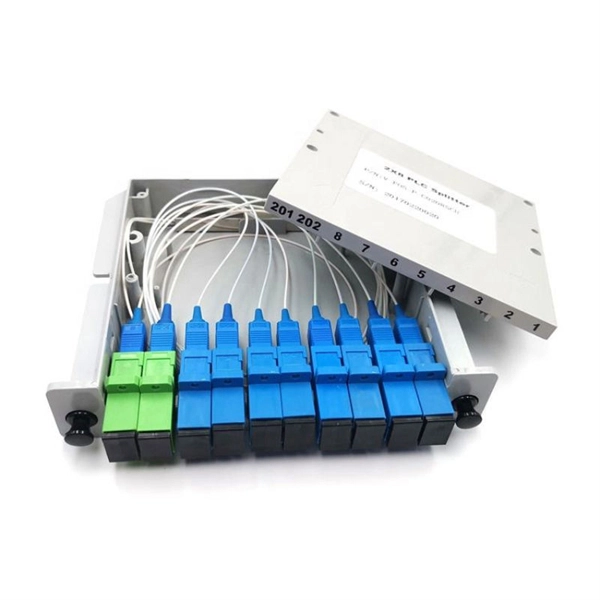
This guide will walk you through every step of the process, from selecting the right materials to securing connections and ensuring safety. Whether you're a seasoned professional or an enthusiastic DIYer, our detailed instructions will equip you with the knowledge and confidence to tackle this. Learn how to properly install an electrical box safely and efficiently. In this step-by-step tutorial, we'll cover: ✅ Tools you need. Covers wiring, placement, standards, and expert tips for a compliant setup. A distribution box is the heart of any electrical system. It takes the incoming power and safely distributes it to different circuits throughout your building. A neutral bar kit is a fundamental component within an electrical service panel, often called a breaker box, designed to manage the flow of electricity in a home or building. This metal strip serves as the termination point for all neutral conductors from the branch circuits. By consolidating these. Before starting the installation, finding a proper place for putting the distribution box is crucial, because it largely decides the safety and convenience of maintenance. Let's see what factors need to be taken care of when choosing the installation place. Beginning of dialog window. Escape will cancel and close the window.
[PDF]

Choose the right box based on environment (indoor/outdoor), load capacity, and durability. Check for proper IP/NEMA ratings and material quality. Ensure safe placement: install in dry, accessible areas with good ventilation and at appropriate height (typically ~1. In this guide, we'll break down everything you need to know to install a distribution box correctly and confidently. While major installations should always involve qualified electricians, understanding the process helps ensure quality work. Begin by determining the electrical load requirements and selecting an. Think of your home's distribution box as the Grand Central Station of your electrical system. Just like travelers need clear pathways and safety protocols, your electrical circuits need proper management to prevent chaos. Dividing incoming electrical power from the main supply into subsidiary circuits is the. The following instructions and specifications are intended to set forth the general practices and procedures to be followed in connection with customer primary and high voltage installations. These instructions define the areas in which assistance may be given to a primary customer to coordinate. On every page you will find a navigation bar. Click on the chapter title/number in the navigation bar to move to the start page of the relevant chapter. 1 2 Con- tents Intro- duction Navigation tips Touch screen to navigate Scroll.
[PDF]
California's warehouse quota law protects workers in two main ways: (1) increased transparency on quotas from employers, and (2) protection for bathroom breaks and other health and safety activities. If you're a warehouse employee, you're entitled to a written description of each quota that you are subject to. Employers must give you quota descriptions upon hire, or within 30 days of changed or updated quotas. In addition to a description of the quota, employers must also describe the potential consequences you may face (such as a warning or te. Under AB 701, you can't be required to meet quotas that prevent you from taking all the bathroom, rest and meal breaks you are legally entitled to, or prevent you from complying with occupational health and safety laws. If it takes you longer to do a task in an OSHA-compliant way (than a non-compliant way), AB 701 says that time mustbe considered p.
[PDF]
Complete guide to electrical box sizes and dimensions. Includes size charts, depth comparison, volume calculation and industrial metal electrical box selection tips. This guide helps you determine the correct dimensions based on wire fill capacity, device requirements, and installation environment, ensuring a safe and efficient electrical system. Selecting the appropriate junction box size prevents overcrowding, overheating, and potential hazards. Incorrect sizing can cause: Industrial and commercial applications especially require proper volume and internal space planning. Below are common. Understanding how to calculate the correct electrical box size is essential for ensuring safe installations that comply with electrical codes. These requirements apply to conductors 4 AWG and larger. Keep on reading to learn: How to use this electrical junction box.
[PDF]