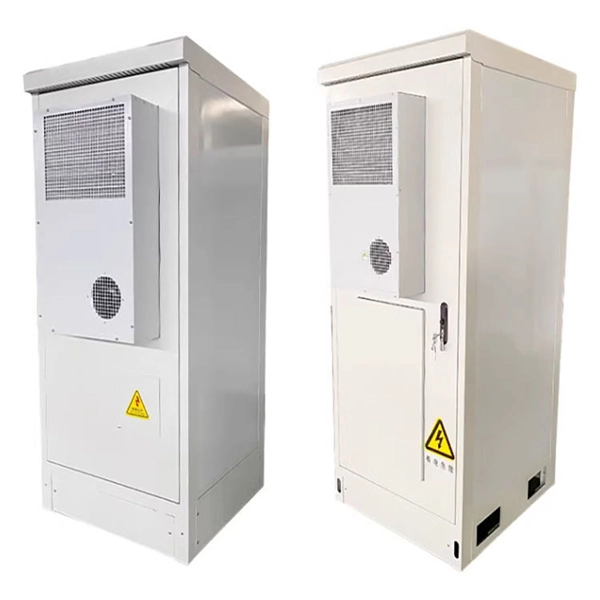
Primary: The main distribution panel, supplies power from the transformer. Differences Between Primary, Secondary, and Tertiary Distribution Boxes Designed for construction or large-scale projects as a main distribution point. Built to meet specific safety and operational standards for temporary construction sites. Incorporates a complete protection system (e. A feeder usually begins with a feeder breaker at the distribution substation. Many feeders leave substation in a concrete ducts and are routed to a nearby pole. At this. The equipment selection depends on the specific power load requirements. These units help control and protect the electrical circuits that serve things like cabin lighting, entertainment, and climate control. The main goal is to keep the primary systems safe while making sure secondary. What Is a Distribution Box? Types, Uses & How to Choose A distribution box, also known as a power distribution box or electrical distribution box, is used to distribute electrical power safely to multiple circuits. It helps organize, protect, and control electrical connections in residential. The main role of a distribution boxes is to channel electric current from the main supply to different circuits within a building. It also helps keep the electricity supply safe by preventing issues like short circuits and overloads. Most distribution boxes contain circuit breakers or fuses that.
[PDF]
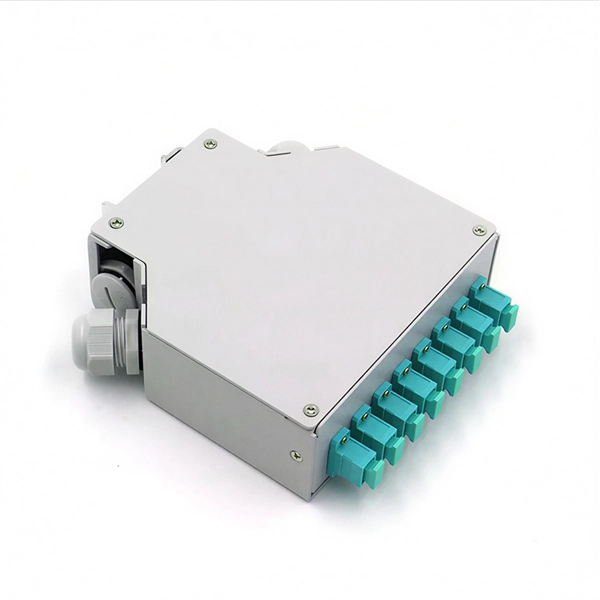
Optical cable junction boxes play a crucial role in connecting and protecting optical fibers, directly influencing the quality and lifespan of optical cable routes. Optical cable splice boxes protect the splicing parts of optical fibers from various hazards, such as water seepage due to adverse. Optical cable junction boxes play a crucial role in managing and organizing fiber optic networks. It serves as a termination point for fiber optic cables, providing protection and distribution of the optical fibers while ensuring efficient signal transmission. Utilizing an optical junction box can significantly enhance your. Optical cable splice box is a popular name, its scientific name is optical cable splicing box, also known as optical cable splicing package, optical cable splicing package and gun barrel. These boxes are designed to house and protect fiber optic splices and terminations, ensuring that the delicate fibers are safeguarded from.
[PDF]
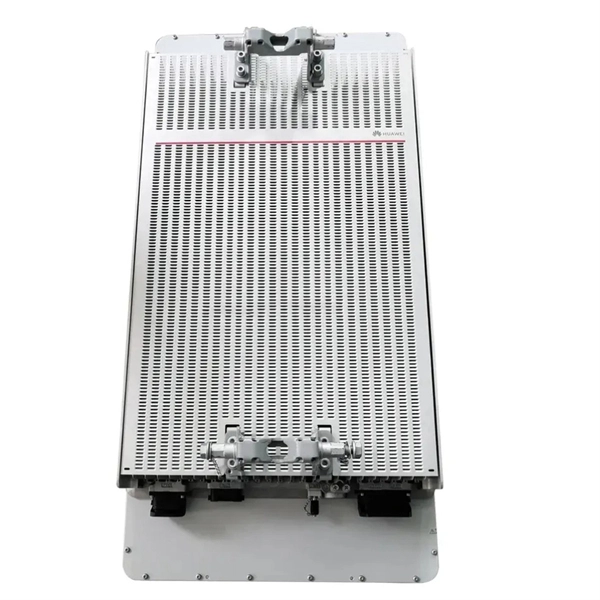
The fiber optic distribution box accomodates up to 6 core fibers and supports outdoor applications within FTTH network system. The type of installation for 6 core distribution box is wall-mounted. The entry size of the drop cable is perfectly designed to. This medium outdoor electrical box (10. ) provides reliable protection for your outdoor electrical connections, including row plugs, timers, extension cords, and holiday lights. With internal dimensions of 10 in. The entry size of the. Product Description: The 6 Cores Waterproof Fiber Distribution Box allows for fast tower and FTTH deployments with IP68 protection, fully understanding the harsh conditions of outdoor deployments in all environments. Features. Shop products from small business brands sold in Amazon's store. Learn more Electrical Junction Box, Ventilated Design, Cable Grommets, Indoor/Outdoor Use with Mounting Panel & Hinged Cover. 6-Core FTTH Fiber Distribution Box is a wall-mounted outdoor/indoor enclosure designed for fiber distribution and splicing in FTTH networks. Featuring an ABS+PC construction with IP55 protection, it offers: - Dual-layer flip-up splice trays for separated splicing/distribution - Tool-less access. FBR-11606 Fiber-Optic Distribution Box, 6-Core is a high quality product by Bud Industries used for electronic enclosure applications.
[PDF]

This article provides you with two methods of merging distribution lists. Merge distribution lists with expanding group in the To field Merge distribution lists with saving as txt file. If you're an administrator and you'd like to manage your organization's distribution groups, go to the Exchange admin center. Nested groups are not supported by everything. If OP truly wants to merge and get rid of the source group something like this should work with Exchange Online Powershell. Connect to Exchange Online. This article will help you understand what shared mailboxes and distribution lists are, and what to do when you are added to one. 📝 Summary: What Are They? Shared Mailbox: A shared mailbox is an email inbox multiple people can access and manage. It usually represents a team or function, such as. A distribution list in Outlook 365 is a single contact address that represents a group of people, allowing you to send one email to multiple recipients simultaneously. This guide covers: To make the most out of Office 365 (Microsoft 365), creating a specific Office 365 distribution list is. I want to be able to see all mail going into one distribution group to automatically go to another distribution group so that I can manage them simultaneously. ***This is not at the user level It's been a few days since we have got an update. Have you had a chance to check if the provided.
[PDF]
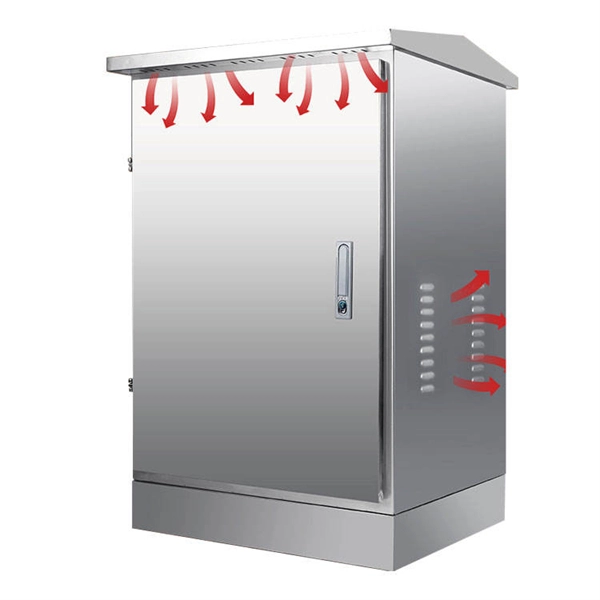
However, by using heat shrink tubing, it's possible to establish a tight, reliable seal around cables and wires, essentially providing a waterproof finish. This helps deter the risk of water-induced damage, helping to extend the durability and lifespan of your electrical systems. Outdoor junction boxes are exposed to harsh environmental conditions, including rain, snow, UV radiation, and fluctuating temperatures. Without proper weatherproofing, moisture can penetrate the enclosure through cable entries, mounting holes, or compromised seals. The consequences of poor. Heat shrink tubing is commonly used for waterproofing electrical connections, particularly in applications where exposure to moisture is a concern. Here's how waterproofing through heat shrink works: Selecting the Right Tubing: Choose heat shrink tubing that is specifically designed for. Heat shrink tubing is an indispensable thermoplastic sleeve used in wiring and cable management. It is a “must-have” insulating tool for electricians and engineers, providing reliable protection and a secure seal around wires and connectors. The outer layer is typically made of a durable, flexible polymer material (often polyolefin), which is designed to shrink when exposed to heat. This simple technology typically involves a polyolefin sleeve that has been expanded and then set with a memory to shrink back to its original, smaller size when.
[PDF]

Our superior quality locking residential mailboxes offer the security of locked mail and parcel storage with the convenience of a traditional mailbox. These units can hold over two weeks worth of mail equipped with a large storage capacity and hav. Our superior quality locking residential mailboxes offer the security of locked mail and parcel storage with the convenience of a traditional mailbox. These units can hold over two weeks worth of mail equipped with a large storage capacity and have a spacious outgoing mail compartment as well. Constructed of heavy gauge anodized aluminummetal and a. Some of our popular pedestal style single tenant compartment residential mailboxes include our: private locking mailboxes, curbside mailboxes, roadside mailboxes, mail chest mailboxes, and rural mailboxes. Our standard features on these units include durable heavy duty rust free aluminum construction, an angled incoming mail slot which prevents the. A few of our popular multi-family or multi-tenant residential mailboxes which also fall under the category of commercial mailboxes include our pedestal style: new high security front loading Cluster Box Units-(CBUs) and older rear loading style Neighborhood Delivery & Collection Box Units-(NDCBUs). Our USPS Approved Cluster Box Units have built in.
[PDF]
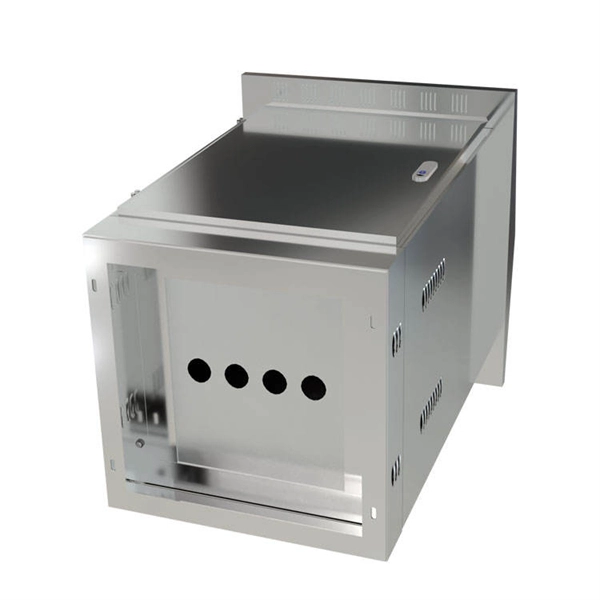
Overloaded circuits, faulty wiring, exposed electrical parts, improper grounding, and lack of maintenance are all significant risks associated with electrical panels. Outdoor low-voltage power distribution boxes (hereinafter referred to as "distribution boxes") are low-voltage distribution equipment used in 380/220V power supply systems to receive and distribute electrical energy. They are generally installed at locations such as the low-voltage side of. In modern power systems, distribution boxes are the core equipment for power distribution and control, and their stable operation is crucial to ensuring the safety and reliability of power supply. However, in actual applications, distribution boxes often encounter a series of problems, which not. Uncovered junction boxes are more than just an oversight, they're a hazard that homeowners and businesses in Southlake, TX, should not ignore. These exposed electrical components can lead to a multitude of problems, from minor inconveniences to major safety risks. Understanding the common issues. Electrical panels, also known as breaker boxes or distribution boards, are essential to any electrical system. They distribute electricity to different circuits in a building, controlling the power flow and ensuring safety. Let's explore how these critical components work and why they deserve your attention.
[PDF]

This video shows real on-site footage of electrical installation, demonstrating safe and standardized wiring methods used by professionals. A distribution box is the heart of any electrical system. It takes the incoming power and safely distributes it to different circuits throughout your building. Whether in a home or an industrial facility, this box keeps. Whether you are an electrical contractor or a construction brigade, knowing how to properly and safely install distribution boxes is the basis of ensuring the safe operation of the entire system. This article details the process of installing them, which helps you comprehend distribution boxes. In modern electrical systems, cable distribution boxes (also known as electrical distribution boxes or distribution boxes) play a crucial role as the key hub for managing, distributing, and protecting circuits. Whether it is residential buildings, commercial facilities or industrial sites, the. Identifying Symbols and Labels: The first step in reading an electrical panel box wiring diagram is to familiarize yourself with the symbols and labels used. These symbols represent different electrical components, such as switches, outlets, lights, and circuit breakers. Labels are used to identify. duct, please dispose the pro ormal operation due to poor manufacture quality. For any damage due to one of the following situations, a paid repair duct, please dispose the pro ype, a “R” is added after the Specification. For single row.
[PDF]

These boxes are designed in such a way that they can significantly reduce the risk of the flame getting outside of the box and igniting the atmosphere where flammable vapor, gases and dust particles are present. Explosion proof distribution boxes and electrical enclosures are critical components for ensuring safety in hazardous environments. They are designed to contain internal explosions and prevent ignition of surrounding flammable gases or dust. In this article, we will explore three key aspects:. Options range from Ex d (flameproof enclosure) to Ex e (increased safety) and Ex i (intrinsically safe) right through to Ex p (pressurized housing), as well as combinations of different explosion-protection types – always bearing in mind the most efficient solution for your application. These enclosures house varying electrical components such as: terminal blocks, switches, transformers, relays and other arching & sparking devices. Every connection, wire, and junction must be protected against ignition sources—and that's where the explosion proof junction box comes in. For electricians, engineers, and safety managers working in petrochemical plants, refineries, and manufacturing facilities, selecting the right explosion proof. Explosion-proof distribution panels are vital components in hazardous industrial environments, ensuring safety by preventing electrical equipment from igniting flammable gases or dust.
[PDF]

This video shows real on-site footage of electrical installation, demonstrating safe and standardized wiring methods used by professionals. An electrical distribution box, also known as a power distribution box, panelboard, or consumer unit, is the core of an electrical system. It has three categories: residential, commercial and industrial electrical distribution boxes, all of which play important roles in their respective electrical. Learn how to install a distribution box safely and correctly. Covers wiring, placement, standards, and expert tips for a compliant setup. It takes the incoming power and safely distributes it to different circuits throughout your building. Whether you're a homeowner looking to understand your electrical setup, an electrician seeking comprehensive guidance, or a facility manager planning an upgrade, understanding distribution boxes is vital for electrical safety and efficiency. more Learn how to wire a distribution box step by step! This video shows real on-site footage of. In modern electrical systems, cable distribution boxes (also known as electrical distribution boxes or distribution boxes) play a crucial role as the key hub for managing, distributing, and protecting circuits. Just like travelers need clear pathways and safety protocols, your electrical circuits need proper management to prevent chaos. The National Electrical Code (NEC) requirements might seem like bureaucratic.
[PDF]

In this guide, we'll break down the 12 main types of distribution boxes in a way that's easy to understand. We'll chat about what each one does, where it shines, and then dive into how to choose the perfect box for your needs. Some of the best distribution types are: 1. Main Distribution Board (MDB) The MDB act as a central section to distribute electricity to various sections with a residential or industrial units. As the name tells the story, the MDB is the hub of electrical power distribution. It receives power directly from the main supply line and then feeds it to various sub-distribution boards or end circuits. Plus, we'll sprinkle in some practical tips to make sure you're not. Residual current protection (RSD/RCCB/RCBO): Detects leakage current and cuts off power to reduce electric shock risk. Surge protective device (SPD): Protects equipment from voltage spikes and surges. Earthing connection: Ensures proper grounding to maintain safety and system stability. It is the first point of power distribution after the utility service entrance or the main transformer.
[PDF]
This guide shows you how to organize circuit breaker wiring properly. You will learn to build a safe, efficient, and professional electrical system today. Circuit breaker wiring configurations involve organizing main switches, busbars, and branch breakers within a distribution box. While some homeowners may attempt this, it's highly recommended to hire a qualified, licensed electrician for circuit breaker box wiring. This is a complex and potentially dangerous task that involves working with high voltage electricity. Mistakes can lead to serious injury, fire, or damage to. A breaker box, also known as a circuit breaker panel, is an essential component of any electrical system. It is responsible for distributing electricity throughout a building, ensuring that each circuit receives the proper amount of power. To understand how a breaker box works, it is helpful to. When installing or troubleshooting a power distribution system, understanding how to correctly connect the main electrical supply to the control panel is crucial. The first step involves running a dedicated cable from the incoming supply to the distribution panel, ensuring it is rated for the load. How to read these diagrams. This page contains wiring diagrams for a service panel breaker box and circuit breakers including: 15amp, 20amp, 30amp, and 50amp as well as a GFCI breaker and an isolated ground circuit. Messy distribution boxes are dangerous and very hard to fix.
[PDF]

Check the electrical load and ensure that the sensors do not exceed the 10 Amp maximum. Check each wire for damage that may lead to a short. Replace any damaged cables. Check the tightness of electrical connections along the. Distribution boxes are the unsung heroes of our electrical systems, quietly managing power until something goes wrong. When they start tripping, overheating, or making strange noises, it's more than just an inconvenience - it's your home's cry for help. In this guide, we'll walk through these. The good news is that most issues are easy to troubleshoot, especially if you follow the steps below. Test the Circuit When devices in your new box don't work, you start by testing the circuit. You will want a voltage tester (doesn't need to be a voltmeter) for this job. The very cheapest one you. When it comes to electrical work, the small details inside a junction box can make a big difference in safety and performance. Even experienced DIYers sometimes make simple wiring mistakes that can lead to tripped breakers, poor connections, or potential fire hazards. However, in actual applications, distribution boxes often encounter a series of problems, which not. A clear troubleshooting process ensures power flows safely and efficiently. In this guide, you will learn how distribution systems work, common problems, and practical ways to diagnose issues. Electrical energy distribution refers to how electricity moves from the main supply to different parts of.
[PDF]
