Buyers typically pay a range for fiber optic cable per foot depending on fiber type, jacket, and shielding, plus installation considerations. This guide outlines typical cost ranges and the main drivers behind pricing to help formulate a budget and estimate expenses. The Fiber Broadband Association has partnered with Cartesian to research the cost of deploying fiber and provide insight on how these costs are evolving over time. In preparing this second edition of the Fiber Deployment Cost report, Cartesian gathered inputs from a wide variety of firms building. With 19+ years of experience installing fiber-optic cables at over 20,000 locations, we've seen how prices vary based on cable type, project scope, and installation complexity. This information can help project leaders engage with providers and network operators in their area. This data is based on cost information. As of August 2025, with global internet penetration reaching 67. 56 billion users worldwide, the demand for faster, more stable connections is at an all-time high. Fiber-optic technology, which transmits data via light through glass or plastic strands, offers unparalleled performance. Annual study tracks drivers to fiber broadband deployment cost WASHINGTON, D. — (January 22, 2024)—The Fiber Broadband Association today announced the results of its 2023 Fiber Deployment Cost Study, conducted by Cartesian, which provides the industry's benchmark to help fiber broadband service.
[PDF]
Polarization-maintaining fibers work by intentionally introducing a systematic linear birefringence in the fiber, so that there are two well defined polarization modes which propagate along the fiber with very distinct phase velocities. The beat length Lb of such a fiber (for a particular wavelength) is the distance (typically a few millimeters) over which the wave in one mode will experience a. OverviewIn, polarization-maintaining optical fiber (PMF or PM fiber) is a single-mode in which , if properly launched into the fiber, maintains a linear polarization during,. In an ordinary (non-polarization-maintaining) fiber, different polarization modes have the same nominal due to the fiber's circular symmetry. in such a fiber, or bending. Several different designs are used to create birefringence in a fiber. The fiber may be geometrically asymmetric or have a refractive index profile which is asymmetric such as the design using an elliptical as.
[PDF]
We describe a theoretical and experimental study of an intensity-based, dual-wavelength referenced fiber optic temperature sensor utilizing temperature-induced spectral shifts of optical thin-film interference coatings, deposited on a sensor fiber end. We present coating design considerations that. This study proposes the development of a dual-wavelength optical fiber sensor (DWOFS) that integrates two optical fiber structures in a multimode transmission line to measure the refractive index and temperature of a liquid concurrently. One structure is based on a refractive index sensor that. ter. The dual-wavelength fiber laser has a ring cavity composed of two FBGs with central wavelengths of 1550. Through monitoring the wavelength shift and the output power difference of the dual-wavelength fiber laser, the simultaneous measurement for RI and temperature is. To improve the sensitivity measurement of temperature sensors, a fiber optic temperature sensor structure based on the harmonic Vernier effect with two parallel fiber Sagnac interferometers (FSIs) is designed, and theoretical analysis and experimental testing are conducted. The FSI consisting of. Fiber-optic high-temperature sensors are gradually replacing traditional electronic sensors due to their small size, resistance to electromagnetic interference, remote detection, multiplexing, and distributed measurement advantages. This paper reviews the sensing principle, structural design, and.
[PDF]

Unlike DSL or cable, which use copper wires, fiber optic Internet service relies on optical fiber to transmit data. These fiber optic cables, made of glass or plastic, use light pulses instead of electrical signals, enabling high-speed Internet with low latency and reliable. The process involves a combination of national infrastructure, local engineering, and property-level setup. In this guide, we'll break down the fiber installation process from start to finish and explain key components such as fiber cabinets, flower pods, ducting, and ONT setup. What Is Fiber Optic. Fiber optic internet represents a significant leap forward in broadband technology, offering speeds and reliability far exceeding traditional cable or DSL connections. Check availability first by contacting your internet service provider or visiting their website—fiber now passes over 76 million. The fiber is connected to an Optical Network Terminal (ONT) inside or outside your home. The ONT converts the light from th e fiber into electrical signals that run via an ethernet cable. This fundamental difference is the key to its superior speed, bandwidth, and reliability. The light signals travel at near the speed of light.
[PDF]
In this article, we will provide you with a step-by-step guide on how to install and remove fiber optic connectors properly. Step 1: Prepare the necessary tools and materials, including the fiber optic connector, cable stripper, fiber cleaver, and lint-free wipes. HomeNetworking is a place where anyone can ask for help with their home or small office network. No question is too small, but please be sure to read the rules before asking for help. We also welcome pretty much anything else related to small networks. I have this connector on my optic fibers cable. Terminating fiber optic cables essentially means putting connectors on fiber optic cable so that you can connect the cable to various devices or network components. Think of it as the equivalent of connecting the dots in a complex puzzle; without proper termination, the whole system can break down. The fiber optic tool kit contains tools to assemble SC connectors. Required consumables are sold separately. Consumables Kit: The consumables kits for single mode and multimode connectors are show below. If the connector is broken, it might need to be replaced rather than taken out. Removing these connectors requires care to avoid damaging the delicate fibers or the connector itself. Ensure that everything is clean.
[PDF]
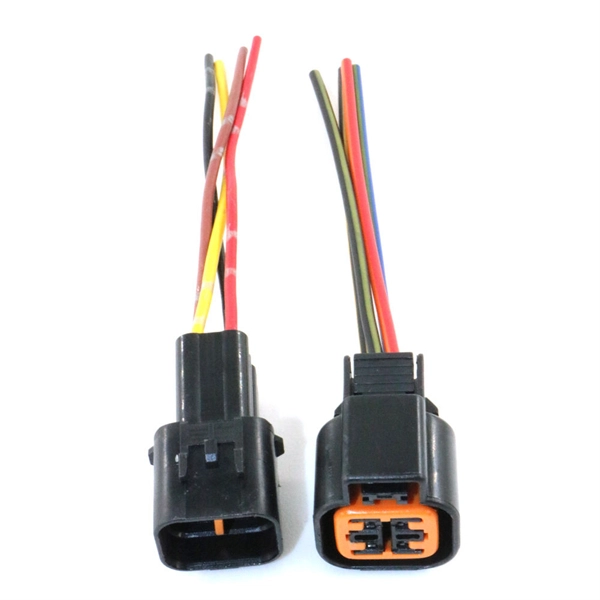
This splice case protect fiber optic cables and juction from outside plant environment damage. They are made of reinforced ABS or PC plastic, which has high strength and corrosion resistance. In addition, the splice enclosures are all hermetically sealing structure, waterproof and. Standard polycarbonate (PC) or Glassfibre reinforced (PC+GLAS) PP ABS (Acrylnitrile-butadiene -styrene) Slightly lower UV resistance compared with PC. Recommended for outdoor use if protected against weather influences GRP – GLASS FIBRE REINFORCED POLYESTER Polycarbonate and ABS enclosure materials. The fiber optic splice closure is a closed structure used for splicing, protecting and managing optical fibers. Its material selection is crucial to ensure the quality and service life of the fiber optic splice closure. These boxes are well suited as optical cable splice collection points for DAS (Distributed Antenna Systems), MTU (Multi-Tenant Unit) commercial business applications, and MDU (Multi-Dwelling Unit). It is a reentry box which is made of PC or PP material. The shells and the base are sealed with silicone gum. This product can be re-entered and used again after it is opened. Typically selected for high-density OSP splicing and branching. What is the basic structure of Fiber Optic Splice Closure? The basic structure of Fiber Optic Splice Closure includes the box body, box components, sealing ring, and lock buckle.
[PDF]
Unlike, single-mode fiber does not exhibit. This is due to the fiber having such a small cross section that only the first mode is transported. Single-mode fibers are therefore better at retaining the fidelity of each light pulse over longer distances than multi-mode fibers. For these reasons, single-mode fibers can have a higher than multi-mode fibers. Equipment for single-mod.
[PDF]

MUSCAT: The Royal Oman Police (ROP) has reported a disruption to internet services in parts of South Al Sharqiyah Governorate after fibre optic cables belonging to a telecommunications provider were accidentally cut during construction work in the Wilayat of Sur. Royal Oman Police say repair work underway; services expected to be restored within hours. ROP said in a statement: "The Royal Oman Police announces a disruption in fiber optic connections belonging to a telecommunications. Microsoft said in a status update that the Middle East "may experience increased latency due to undersea fibre cuts in the Red Sea," but gave no other details. Fibre optic cables on the ocean Floor. File pic: iStock Internet access in parts of Asia and the Middle East was disrupted after undersea. „Oman Fiber Optic always offers great service with quality product. They have very good technical sales team and logistics team and are always available for support. „ „Professional supportive sales team with excellent material quality leading to a great service!„ Technology Integration on time. Sur – Royal Oman Police (ROP) has announced a significant disruption to their digital services within the South Sharqiyah Governorate following an accidental severance of fibre optic cables. The technical failure occurred in the Wilayat of Sur, where ongoing construction activities inadvertently.
[PDF]
Fiber Optics Market was valued at USD 8. 1 billion in 2023 and is anticipated to grow at a CAGR of over 5% between 2024 and 2032. The demand for high-speed broadband access is accelerating with end-users increasingly seeking high-quality multi-gigabit services to power their homes and. Fiber Optics Market was valued at USD 8. Cartesian received input to this study from across the industry and nation. Respondents spanned the fiber construction ecosystem from. Market Size by Fiber Type (Glass Fibers, Plastic Optical Fibers), by Cable Type (Single-mode, Multi-Mode), by Deployment (Underground, Aerial, Underwater) by End User & Forecast. 8 billion by 2029 from USD 3. 4% from 2024 to 2029. Rapid expansion of data centers, cloud services, and 5G infrastructure is driving strong adoption of fiber optic solutions. The global deployment of 5G networks by telecommunications.
[PDF]

Will fiber optic cables replace coaxial cables entirely? The short answer is: not entirely. In this article, we'll help you understand where each. Fiber optic cables and coaxial cables have something in common; both of them can provide homes and businesses with tv, phone, and Internet service. Cables. Optical fiber can carry analog RF signals from antenna to receiver with far less loss than coaxial cables. It's not unusual in engineering to find solutions to long-standing problems leveraging apparently unrelated technologies. But these signals have a fatal flaw: when transmitted through traditional copper coaxial cables, they degrade and distort rapidly over distance. It's like shouting into a long metal pipe—the sound that comes out the other. Seamless Radio Frequency Signal Transmission over Optical Networks RF over Fiber (RFoF) technology enables the transmission of radio frequency (RF) signals over optical fiber instead of traditional coaxial cables. This method combines the advantages of fiber optics—such as low signal attenuation.
[PDF]

It is a technique that uses controlled heat to permanently fuse two optical fiber ends together. Unlike mechanical splicing, which relies on alignment sleeves and index-matching gel, this thermal approach creates a continuous glass path between fibers. Optical fiber transmission has the advantages of wide transmission frequency, large communication capacity, low loss, no electromagnetic interference, small diameter of optical cable, light weight, rich source of raw materials, etc., so it is becoming a new transmission medium. When light is. Common splicing methods include optical fiber cold splicing and optical cable hot fusion splicing. Advantages and disadvantages of fiber optic cold splicing Fiber cold splicing refers to using special tools to mechanically connect two optical fibers. Its advantages include: Simple operation and. This is part 6 of a tutorial on passive fiber optics from Dr. The tutorial has the following parts: Optical fibers can be joined together, such that light is efficiently transferred from one fiber to another. There are various possibilities: Mechanical splicing means that two fiber ends. This guide reveals the secrets to fusion splicing with little fluff—just proven, straightforward techniques refined from years of work in the field. The result is a joint that closely matches the.
[PDF]

Monthly Maintenance: Randomly inspect fiber optic cable connections, test backbone fiber optic link attenuation, and clean connector end faces. Even tiny contaminants—such as dust, oils, moisture, or other residues—can cause significant signal loss, increased reflectance, and permanent damage when connectors are mated. Proper cleaning. Small oil micro-deposits and dust particles on fiber optic cable optical surfaces may cause a loss of light or degraded signal power which may ultimately cause intermittent problems in the optical connection. Figure 1 shows the oil and dust that can collect on fiber cable connector tips and canals. With fiber optics, the tolerance to dirt or contamination on the ends of the ferrules of a connector is near zero. Quarterly/Semi-annual Maintenance: Perform OTDR testing on fiber optic lines, verify system alarm records, and update maintenance logs. Through a tiered. We've created a simple guide on keeping fiber optic cables in good condition without impairing them. Fiber optics need to perform reliably, so you must ensure they stay neat and well kept. Avoid getting them damaged by handling them with extreme care. We've created a simple guide on maintaining. A little routine cleaning and maintenance can keep your fiber connections crystal clear. Fiber connector end-faces are highly.
[PDF]

This guide explains fiber optic cable construction, the difference between tight buffer and loose tube structures, and compares eight common cable types used in data centers, enterprise networks, and FTTH deployments. The Fiber Optic Association, Inc. (FOA) was founded in 1995 to help develop the workforce to build the fiber optic networks to support a rapid expansion in communications and the Internet. The charter of the FOA was to promote professionalism in fiber optics through education, certification, and. 40. FO-VC2 JOINT USE - VERICAL MIDSPAN CLEARANCES 48. FO-GB GROUNDING AND BONDING 49. APPENDIX A - COVER SHEET / TOC 52. Building a fiber optic network is a highly technical yet vital process that enables communities and businesses to access high-speed, reliable fiber optic internet. From the initial site survey to the final fiber to the home (FTTH) connection, every stage requires careful planning, coordination, and. Fiber optic cables facilitate high-speed connectivity with significant advantages over copper wires, such as faster data transmission, greater bandwidth, and better security; single-mode fibers are ideal for long distances, while multi-mode fibers suit short-range communications. Proper fiber optic. Fiber optic cables come in many designs depending on where and how they are deployed. The method covers the steps from receiving the materials on the installation site and cable pulling as per the approved shop drawings.
[PDF]