
This guide covers planning, installing, managing, and maintaining fiber optic cabling systems according to industry standards like TIA-942, BICSI, and FOA guidelines. You'll learn how to: Disorganized cabling creates direct financial consequences. Cable management involves organizing and securing network cables in a data center to ensure efficient operation and maintenance. It also facilitates easy. Data center performance and reliability fundamentally depend on proper fiber optic cable management, especially as bandwidth demands and density increase. According to the Uptime Institute's 2024 Annual Outage Analysis, over 54% of significant data center outages cost more than $100,000, with 16%. Effective data center cable management isn't just about aesthetics—it's about maximizing efficiency, ensuring reliable operation, and supporting future growth. With data volumes increasing in modern data centers, the complexity and density of cabling infrastructure continue to grow. Data center cable management includes methods, procedures and products to keep the cabling infrastructure in a neat and proper condition during the full data center lifecycle. With multiple tenants and varying connectivity needs, optimizing cabling strategies is essential. With data centers' growth in size and complexity, a holistic approach toward cable organizations would significantly cut down service restoration and improve cooling and maintenance.
[PDF]
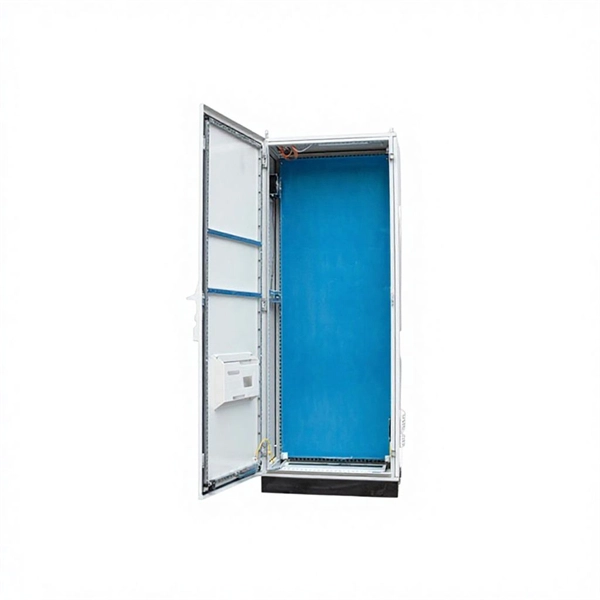
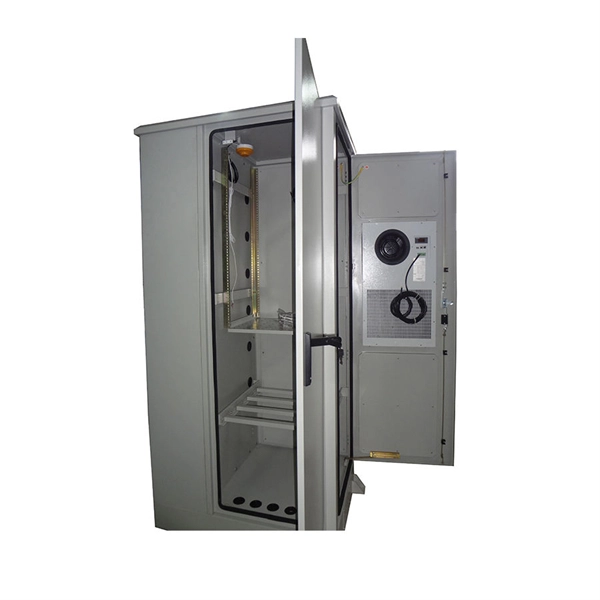
Manufacturers design fiber optic cabinets to protect fiber optic cables in indoor and outdoor environments. Also known as fiber optic enclosures or fiber entrance cabinets, these enclosures act as hubs where ca.
[PDF]
Thus, a fiber termination box is used to terminate the optical fiber cables in the field and connect them to the pigtail by splicing. After an optical cable arrives at the user's end, it is fixed in the terminal box. A fiber pigtail is a specific hardware connection used for cable termination. Fiber adapters: These are used to connect the fiber optic cables to the fiber termination box and should comply with industry. This article will guide you through the necessary tools, materials, and methods on how to connect fiber optic cables effectively, ensuring you achieve optimal performance from your fiber optic network. Have a network installation project? Fiber Optic Cables: The primary medium for your connections. To establish easy and safe installation put the box where it will be installed and measure the required length of the cable. Prepare the safe installation of the box. 5 meter or more, to. Learn how to install a fiber optic termination box step-by-step for FTTH projects. Covers mounting, splicing, routing, labeling, and testing for indoor/outdoor use. Installing a fiber optic termination box is one of those jobs that looks simple on paper, but it's easy to do poorly in the field. Preparations: Before installation, please ensure that you have obtained optical fiber network access services.
[PDF]
When it comes to testing fiber optic cables, a Visual Fault Locator (VFL) is an essential tool in your toolkit. A VFL is used to detect faults, breaks, or bends in fiber optic cables by emitting a bright red light that is visible even through the fiber's jacket. It's a cost-effective and. A Visual Fault Locator which can be also called visual fault identifier (VFI), fiber fault locator, fiber fault detector, etc., is a visible red laser light designed to inject visible red light energy into an optical fiber. Using a VFL to diagnose issues can save time and cost when diagnosing an. A visual fault locator is a compact, handheld device that emits a visible light beam, typically in the red wavelength range, through a fiber optic cable. It works by injecting a visible red laser light into the fiber, which can be seen through the jacket or at the end of the cable. If the light doesn't come out the other side, there might be a problem. You. And in the end we will show you how to use an old cell phone's camera to detect light in a fiber optic system. It uses a bright incandescent bulb or visible LED source to.
[PDF]

In this comprehensive guide, we'll walk through the best practices for installing various types of fiber optic cable, from patch cords to distribution fiber, and provide practical tips to ensure a successful installation. This article will guide you through the necessary tools, materials, and methods on how to connect fiber optic cables effectively, ensuring you achieve optimal performance from your fiber optic network. Have a network installation project? Fiber Optic Cables: The primary medium for your connections. A shaky connection means weaker signals, dropped streaming, or slow uploads. Get the hookup right, and you'll enjoy streaming, gaming, and video calls without interruptions. Fiber optic cables need careful handling. Why Use Fiber Optic Internet? Before diving into the setup, let's quickly recap why fiber optics are worth the effort: Lightning-fast speeds (up to 1 Gbps or higher). The number one cause of signal loss in optical fiber installations is dirt on. Setting up a fiber internet connection requires understanding key hardware components and following a specific connection sequence to establish your home network.
[PDF]

This video goes over common types of connectors, their respective adapters, and how to properly connect and disconnect them. For your safety, it is always advised to follow proper fiber optic handling techniques and utilize the correct protective gear when performing. Plan your outdoor fiber installation carefully by surveying the site, choosing the right cable type, and following FOA and OSP standards to ensure reliability. Select the best installation method—direct burial, aerial, conduit, or underwater—based on your environment and future network needs. Use. Proper connection of fiber optic cables is essential to harness these benefits fully, as even minor errors can lead to significant performance issues like signal loss. more Are you interested in seeing how fiber optic connectors get. The Fiber Optic Association, Inc. (FOA) was founded in 1995 to help develop the workforce to build the fiber optic networks to support a rapid expansion in communications and the Internet. The charter of the FOA was to promote professionalism in fiber optics through education, certification, and. Outdoor OPT Fiber Optic connectors integrate common fiber interfaces (SC, duplex LC, MPO) inside a sealed, rugged housing for harsh environments. Each assembly houses a standard indoor connector (SC, LC, or MPO) within a waterproof shell. At its core, the optical fibers are enclosed within protective layers that are resistant to pressure, water, and ultraviolet radiation.
[PDF]

The fiber optic cable does not plug directly into a standard home router because the signal type must be translated. The fiber line terminates at the Optical Network Terminal (ONT), which is typically supplied and installed by the internet service provider. To connect your fiber optic cable to a router, ensure you have the following: Fiber optic modem (ONT): Most fiber connections require an Optical Network Terminal (ONT), provided by your ISP. Before. The process to connect fiber optic cable to router requires careful attention to detail, but I'll walk you through every critical step with the precision and clarity you deserve. This comprehensive guide combines industry standards with field-tested practices to ensure you achieve a rock-solid. Fiber optic troubleshooting is an essential skill for network administrators, technicians, and engineers responsible for maintaining and repairing fiber optic systems. These high-speed, high-capacity communication networks are increasingly replacing copper cables, offering superior performance and. If fiber optic cables haven't been installed yet, you may need to wait for the service provider to extend their fiber network. To check availability: Check for fiber connections in your neighborhood, including signs of cables underground or utility poles carrying fiber lines. Contact your service.
[PDF]
Single mode and multimode fiber optic cables are two different types of fiber optic cable aimed at different use cases. Single mode cables are typically made with a single strand of glass at their core, leading to a n.
[PDF]

Download the most popular free Fiber optic cable card vectors from Freepik. Explore AI-generated vectors and stock vectors, and take your projects to the next level with high-quality assets!. Fiber U is the free online learning website of the FOA - the Fiber Optic Association, the international professional association and certifying body devoted to the development of a skilled workforce in fiber optics and telecommunication. Here you will find free online self-study courses, tutorials. Free online self-study programs on many fiber optics and cabling topics are available free at Fiber U, FOA's online web-based training website. FOA Reference Books (Available Printed or eBooks) The fiber book is available in Spanish and French as well as English. Click on any of the books to learn. Copyright © 2010- 2026 Freepik Company S. Dura-Line Academy and Broadband Nation are offering free training on fiber basics. Sign up for free here and gain access to all three 10-minute mini courses: Fiber-Optics 101: Learn the basics about fiber-optics theory, along with the different types of fiber and cables. FOA is also an internationally recognized certifying body for fiber optics.
[PDF]

Arinaga, Canary Islands, Spain (Ports Europe) August 21, 2025 – The laying of a 49 million euro underwater fibre optic cable, linking Morocco and Spain's Canary Islands, will begin by the end of 2025. The cable is expected to become operational in 2028. Morocco has taken a significant step toward strengthening its digital infrastructure with FBR Cables' launch of a major new industrial platform aimed at boosting domestic fiber optic cable production. Agadir – FBR Cables officially inaugurated a new industrial unit in Berrechid dedicated to the. Ryad Mezzour, Minister of Industry and Trade, inaugurates FBR CABLES' new industrial facility in Berrechid, dedicated to the production of fiber optic and network cables, marking a major step forward for Morocco's industrial and digital sovereignty. The cable will connect Europe and Africa from. Moroccan company FBR Cables has inaugurated a new fiber optic and network cable manufacturing plant in Berrechid, marking a MAD 200 million (USD 21. 7 million) industrial investment aimed at strengthening domestic production capacity. Mobilizing a total investment of 200 million dirhams and generating. FBR CABLES designs and manufactures high-performance fibre optic cables in Morocco for operators, integrators and FTTH projects. Backed by advanced production capabilities, we deliver certified quality, controlled lead times and local technical support.
[PDF]

The answer is no; fiber internet doesn't need a traditional modem. A standard cable or DSL modem's job is to convert electrical signals into digital data that your devices can understand. But since fiber transmits data as light instead of electricity, there's no need for that type of. When it comes to land-based high-speed broadband connections, there are currently two competing technologies: Coaxial Cable vs. Fiber-optic, or Cable vs. This post will briefly explain the two and offer tips for handling their broadband terminal devices: the Cable modem vs. the. Fiber optic is an internet connection that uses fiber optic cables to transmit data at rapid speeds by using light pulses instead of traditional copper wire and electricity. Fiber optic can be used to establish higher bandwidth internet connections for homes and businesses compared to alternatives. Fiber internet transmits data using light signals through fiber-optic cables, which differs from traditional DSL or cable internet. Instead of a modem, fiber connections require an Optical Network Terminal (ONT), a device that converts fiber signals into an Ethernet connection. The short answer is no. These devices serve a similar purpose but function differently. However, what they do have in common is converting digital data from the computer into the format of the transmission system—for example, converting electrical impulses into the light pulses used.
[PDF]
Basic — 1,000 ft single-mode run indoors with minimal termination: Cable $0. 00/ft, Permits $150, Accessories $100. Total ≈ $2,650–$3,100. 60/ft, Permits. How does 6Wresearch market report help businesses in making strategic decisions? 6Wresearch actively monitors the Laos Fiber Optic Cable Market and publishes its comprehensive annual report, highlighting emerging trends, growth drivers, revenue analysis, and forecast outlook. Our insights help. Buyers typically pay for fiber optic cable by length, fiber type, and installation complexity. Main cost drivers include cable grade (indoor vs outdoor, armoured), distance, and labor for trenching, splicing, and termination. We have given over thousands of our clients a reason to be happy with the business results they have gained by using TTV. As per Volza's Laos Import data, Fiber optic cables import shipments in Laos stood at 24, imported by 6 Laos Importers from 8 Suppliers. Laos imports most of its Fiber optic cables from Vietnam and is the largest importer of Fiber optic cables in the World. 50 per meter, depending on several variables. Here's a general pricing reference: Cable TypePrice Range (USD/meter)Simplex / Duplex Indoor Cable$0. 50Multimode (OM1/OM2/OM3)$0. Custom-built cables or niche specifications can lead to higher prices. Fiber Count and.
[PDF]

Fiber Connection: Locate the optical port on your router and carefully insert the fiber cable's connector, ensuring a snug fit. Click it into place if it has a locking mechanism. Power Up: Connect the power cords to your router and any additional devices (ONT, media converter) and. To connect your fiber optic cable to a router, ensure you have the following: Fiber optic modem (ONT): Most fiber connections require an Optical Network Terminal (ONT), provided by your ISP. Before diving into the connection process, gather these critical components: Optical Network Terminal (ONT): The cornerstone of most fiber setups, typically provided by your ISP. This. The fiber optic cable does not plug directly into a standard home router because the signal type must be translated. Here's a simple guide to help you through the process: 1. Check Your Fiber Optic Equipment Before you start, make sure you have the necessary equipment: Fiber Optic Modem (ONT – Optical Network Terminal):. Connecting a fiber optic cable to a router might seem daunting at first, but with the right tools and a bit of patience, it's a straightforward process. Our Experts are helping user's, who are facing issues with their tech gadgets like Router, Modem and extender.
[PDF]

