
This Quick Reference Guide is intended to provide highlights of OPGW installation instructions needed in the field. Please review the document (WI-0298 Rev 1) before proceeding with. Describe the system used for installation and delivery of OPGW fibre optic cables. - SCOPE This document covers all the activities usually performed by PRYSMIAN for on-site installation of OPGW fibre optic cables, including transport, installation, accessory assembly, verification of optical. This manual is formulated in accordance with IEEE 1138 - 2008 and IEEE 524 - 1992, etc. OPGW has dual functions of aerial ground wire and fiber communication. To. The OPGW cable installation process 2 involves careful preparation, precise laying and stringing, installation of necessary hardware, and thorough testing. I have seen that following these steps makes the installation work well and ensures high performance and reliability. I once worked on a. Discover the perfect fiber training course for your career path. This fiber optic training course is designed for those who specify, design, install, construct or maintain aerial Optical Power Ground wire systems in investor-owned, Electric Power Utilities, REAs, Co-operatives, and municipal power. Optical Ground Wire (OPGW) is a crucial component for reliable communication in power transmission systems. OPGW fiber optic cable is a unique type of cable that.
[PDF]

Whether you need singlemode, armored, or indoor plenum, this guide gives you the exact cost per foot of fiber optic cable — including installation — so you can budget without guesswork. Data aggregated from Q1 2026 contractor invoices across Texas, Ohio, and North Carolina. Buying fiber optic installation services involves several cost components, with total price influenced by length, location, and access. The main cost drivers include trenching or aerial deployment, materials, labor hours, and any required permits. This guide presents typical price ranges in USD to. Whether you're running fiber to a home or a data center, here's exactly what contractors are charging in 2026. What is the real cost of fiber optic cable per foot in 2026? After analyzing 40+ U. Whether you. Fiber-optic cable materials typically cost $1 to $6 per linear foot, depending on fiber count and cable type. Commercial building installations with 100-200 network drops generally range from $15,000 to $30,000. Single-mode fiber costs less per foot than multimode fiber, but it requires more. Costs for fiber optic cable installation vary by cable type, length, and installation method. The main cost drivers are cable grade (indoor vs outdoor, riser vs plenum), fiber type (single-mode vs multimode), connectorization, and installation length. These elements influence the overall price, making it important to evaluate each project individually to.
[PDF]

After the new fiber optic cables have been run underground, our approved contractor will run a service drop, also known as the fiber optic cable line installed between your street and your residence. In this article we'll break down how fiber internet is installed - from the network fiber drop outside your house to the in-home setup with your router and gateway - and what you should expect at each stage. They will attach the service drop to an Optical Network Terminal (ONT), which will be mounted on. In this guide, we'll break down the fiber installation process from start to finish and explain key components such as fiber cabinets, flower pods, ducting, and ONT setup. What Is Fiber Optic Internet? Before diving into installation, it's important to understand what fiber optic internet is. Fiber optic installation is the way to go! It's super reliable and perfect for streaming, gaming, or using multiple devices. This guide breaks down the process in easy steps so you know what to expect. Fiber transmits data using light signals through glass strands, delivering faster speeds and lower latency than cable or DSL connections that rely on. Fiber-optic internet uses ultra-thin fiberglass strands to transmit high-speed data through underground cables or aerial wires. Our fiber-optic networks are installed via an underground cable or aerially from a nearby utility pole, depending on the network engineering design of your neighborhood.
[PDF]

When laying loops of fiber on a surface during a pull, use “ figure-8 ” loops to prevent twisting the cable. Bending of a fiber optic cable can damage the cable if the radius of the bend is too small. However there are some general rules that should be. If the cable remains outside for more than 24h during installation protective material should be used to prevent cable damage. The maximum installation and storage temperatures specified for each cable in the data sheet must be respected. The specified values apply to the cable temperature and not. Tension on the cable and pulling ropes can cause twisting. Use a swivel pulling eye to connect the pull rope to the cable to prevent pulling tension causing twisting forces on the cable. Roll the cable off the spool instead of spinning it off the spool end to prevent putting a twist in the cable. The device prevents the cable from twisting as it travels over pulling blocks. Left uncontrolled, the optical cable's delicate glass fibers could be permanently damaged during installation. We do so appreciate your efforts. It happens during installation, when excessive pulling force, tight bends. Fiber optic cable bend radius is a critical mechanical parameter that determines how sharply a cable can be bent without risking microbending, macrobending, signal loss, or long-term structural fatigue. Proper bend radius control ensures the integrity of optical performance and protects the glass.
[PDF]
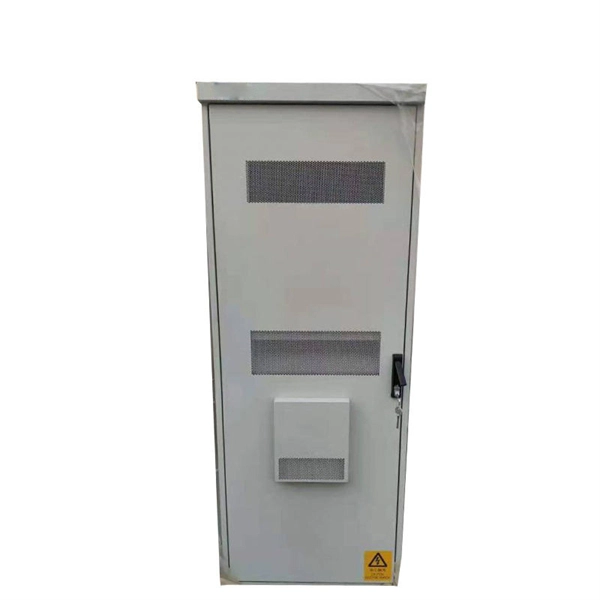
This article will give you an overview of the use cases for fiber-optic networking, some of the terms used in fiber networking, and suggestions for setting up a fiber network. Once you understand the basic concepts, you can check out my Recommended Equipment section toward. Fiber tapping is a network tap method that extracts signal from an optical fiber without breaking the connection. Tapping of optical fiber entails diverting some of the signal being transmitted in the core of the fiber into another fiber or a detector. Fiber to the home (FTTH) systems use beam. Optical fiber is a technology used to transmit data by sending short light pulses along a long fiber, which is typically made of glass or plastic. In optical fiber communication, metal wires are preferred for transmission because the signals travel more safely. Optical fibers are also resistant to. Photo: Light pipe: fiber optics means sending light beams down thin strands of plastic or glass by making them bounce repeatedly off the walls. This is a simulated image. Note that in some countries, including the UK, fiber optics is spelled "fibre optics. " If you're looking for information online. This manual covers everything about fiber optic cables, how they work, where they are used, and what is new in this area of technology. The choice of fiber optic cable depends on the specific needs of the application, as well as the.
[PDF]
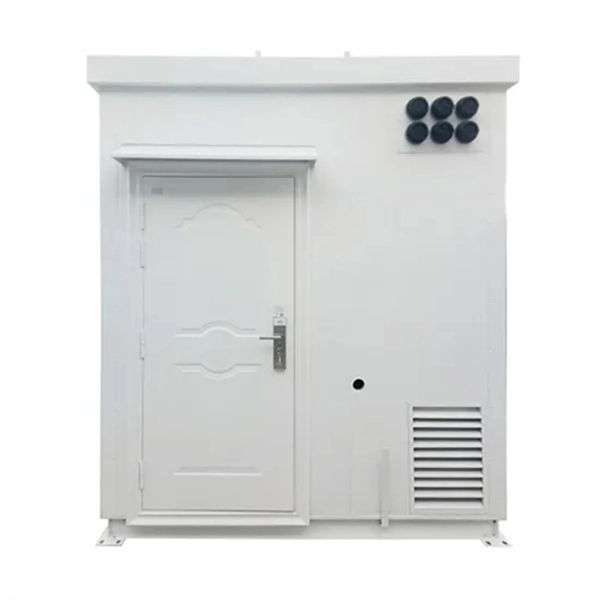
This complete guide explores everything you need to know about ODFs — from their structure, types, and key components, to installation best practices and modern design trends. A fiber optic distribution box, also known as a fiber optic terminal box or termination box, is a device used to connect and manage fiber optic cables within a network. It acts as a central point for terminating, splicing, and distributing these cables, providing necessary protection and. Fiber distribution boxes play a crucial role in network management, providing a centralized and protected access point for optical cables. Distribution boxes are especially essential for FTTH networks, where they enable the efficient connection and management of optical fibers from a central. Fiber distribution boxes represent a critical component in modern telecommunications infrastructure, serving as the connection point between main fiber optic cables and individual subscribers. It is primarily used to terminate, splice, and organize optical fibers, providing a structured cabling solution for in-building and outside plant applications.
[PDF]

Set your fiber optic-to-Ethernet converter box in a location near your Ethernet switch and plug in its power adapter. Insert the end of your fiber optic network line into the fiber optic connector on the converter box. Fiber optic cabling is increasingly used to connect network switches and other datacom equipment, especially in long-distance and mission-critical applications. Fiber provides: Increased internet signal bandwidth. Most modern fiber-enabled network switches require an SFP transceiver module. This is a cost-effective and high performance way to connect network switches. Advantages Determine the length of the fiber run and choose either multi mode for runs under 1000 feet or single mode for runs over 1000 feet. SFP transceiver modules are specific to the type of fiber being connected. Connecting a switch to a fiber optic network involves several steps and requires specific equipment to ensure a successful and efficient connection. This guide will. In this article, we'll explain how to connect multiple Ethernet switches using fiber optic cables and the equipment required for this to work. Network topology refers to the way in which the links and nodes of a network are arranged in relation to each other. Ethernet ports are designed for copper cables (like Cat5e or Cat6), which transmit data using electrical signals. You need a media converter or a.
[PDF]
Unlike, single-mode fiber does not exhibit. This is due to the fiber having such a small cross section that only the first mode is transported. Single-mode fibers are therefore better at retaining the fidelity of each light pulse over longer distances than multi-mode fibers. For these reasons, single-mode fibers can have a higher than multi-mode fibers. Equipment for single-mod.
[PDF]
A multi-mode optical core can transmit multiple channels of data at the same time, while single-mode can only transmit one channel of data at the same time. Therefore, the quality and distance of single-mod.
[PDF]

Fiber Connection: Locate the optical port on your router and carefully insert the fiber cable's connector, ensuring a snug fit. Click it into place if it has a locking mechanism. Power Up: Connect the power cords to your router and any additional devices (ONT, media converter) and. To connect your fiber optic cable to a router, ensure you have the following: Fiber optic modem (ONT): Most fiber connections require an Optical Network Terminal (ONT), provided by your ISP. Before diving into the connection process, gather these critical components: Optical Network Terminal (ONT): The cornerstone of most fiber setups, typically provided by your ISP. This. The fiber optic cable does not plug directly into a standard home router because the signal type must be translated. Here's a simple guide to help you through the process: 1. Check Your Fiber Optic Equipment Before you start, make sure you have the necessary equipment: Fiber Optic Modem (ONT – Optical Network Terminal):. Connecting a fiber optic cable to a router might seem daunting at first, but with the right tools and a bit of patience, it's a straightforward process. Our Experts are helping user's, who are facing issues with their tech gadgets like Router, Modem and extender.
[PDF]

Fibre-optic Link Around the Globe (FLAG) is a 28000km (17,000miles) fibre optic mostly- submarine communications cable that connects the United Kingdom, Japan, India, and many places in between. The cable is operated by Global Cloud Xchange, a subsidiary of RCOM. These cables stretch thousands of kilometres beneath the sea, carrying the digital world across continents. New Delhi: Internet is an inseparable part of life in this modern world. Social media. These undersea cables carry almost all international data, connecting continents and countries. They're like the invisible highways of our digital world. Today, tech giants like Google, Facebook, Amazon, and Microsoft own or lease more than half of the undersea bandwidth. The world depends on digital links and the control of these cables decides how information moves between. Private telecom and technology companies own and operate nearly all submarine internet cables, which carry 99% of global internet traffic. These companies invest heavily in laying and maintaining the vast network of fiber-optic cables that connect continents and enable international data flow. The system runs from the.
[PDF]

Fiber-optic cables naturally embed significant security advantages into their design and operation. This section delves into these inherent security features, showcasing why fiber-optics are the go-to for secure data communication. There's a common myth that fiber optic networks are “unhackable. ” While they are incredibly difficult to tap compared to copper cables, this idea oversimplifies the reality of modern security threats. The truth is, vulnerabilities can exist in the equipment, access points, and software connected to. Fiber optic cables offer superior protection against electromagnetic eavesdropping compared to copper, making passive monitoring significantly more challenging. However, fiber is not invulnerable. Attackers with specialized tools can: Physically access unsecured junctions or cabinets. Unlike. Fiber optic technology offers inherent advantages in speed and bandwidth, making it a preferred choice for modern network systems. However, like any technology, it requires diligent attention to security practices. Secure Your Fiber Optic Infrastructure Overview: Physical security is paramount. Fiber optic networks play a pivotal role in modern internet infrastructure, revolutionizing the way data is transmitted and secured. Fiber Optic technology stands out for its unparalleled efficiency and reliability, offering numerous benefits over traditional copper lines. This fundamental difference.
[PDF]
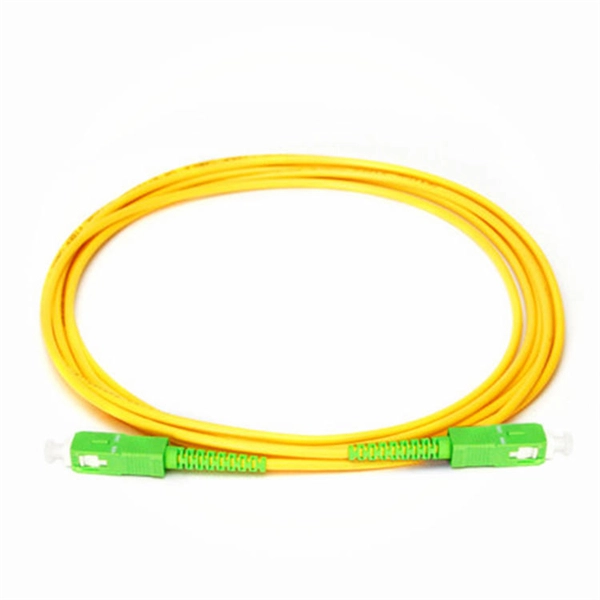
Because fiber optic cables don't come in one continuous length, sections must be joined together through splicing. This process fuses two glass strands so light signals can travel through them without interruption. Below is a detailed look at each step of fiber optic network construction, including key terms and methods used across the industry. Engineers and. We are experts in the installation and use of fiber optic cable to residences, apartment buildings, businesses and cell sites. We complete complex construction projects consisting of aerial and underground deployments in varied, often difficult, working environments. Our services include everything. The Fiber Optic Association, Inc. (FOA) was founded in 1995 to help develop the workforce to build the fiber optic networks to support a rapid expansion in communications and the Internet. Delivers state-of-the-art fiber optics solutions by developing high-tech equipment and subcontractor expertise. Utilizes state-of-the-art technologies to splice a wide variety of different. This recommended practices document is a comprehensive manual for optical fiber construction and testing. Sections are included for project management; cable handling, testing and equipment; overhead cable placement; underground cable placement; underground enclosures; bonding and grounding; cable. 4. FO-VC2 JOINT USE - VERICAL MIDSPAN CLEARANCES 48. FO-GB GROUNDING AND BONDING 49.
[PDF]

