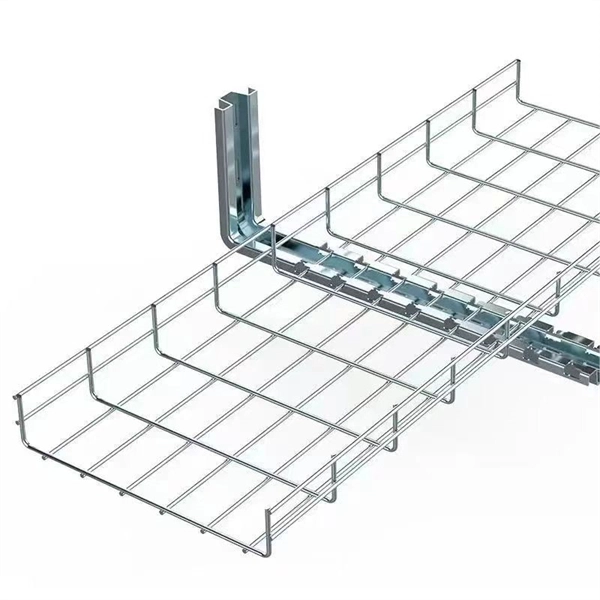
In this video, we'll walk you through the process of wiring a home distribution box with a detailed connection diagram. Whether you're an electrician or a DIY enthusiast, this guide will help you understand the basics of home electrical distribution. more Welcome to our channel! In this video. An electrical panel box, also known as a breaker box or a distribution board, is a crucial component of any electrical system. It serves as a central hub for distributing electricity throughout a building, ensuring that power is delivered safely and efficiently to all the required locations. What is Distribution Board? Distribution board. Hey, in this article we are going to see the Single Phase Distribution Box Wiring Diagram and Connection Procedure. And all the switching and protective devices are installed in the. Are you ready to master the skill of building electrical panels? This detailed guide provides an excellent base for beginners. Learn about the essential components of panels, such as the circuit breakers and fuses that safeguard against hazards. Then, delve into complex wiring configurations. Single Phase wiring installation is the most common wiring in residential buildings. In Single Phase supply (230V in UK, EU and 120V & 240V in the US & Canada), there are two (one is Line (aka Phase, Hot or Live) and the other one is Neutral) incoming cables from the utility poles to the kWh energy.
[PDF]

To set up your router for fiber internet quickly, connect the router to your fiber modem, access the router's settings via a web browser, and input the provided ISP credentials. Make sure to update the firmware, configure Wi-Fi security, and customize your network name for. However, setting up a fiber optic connection to your router can seem daunting if you're unfamiliar with the process. In this guide, we'll walk you through how to connect a fiber optic cable to a router safely and efficiently. Why Use Fiber Optic Internet? Before diving into the setup, let's quickly. Setting up your fiber router correctly ensures you get the most from your connection. With. In this article we'll break down how fiber internet is installed - from the network fiber drop outside your house to the in-home setup with your router and gateway - and what you should expect at each stage. Fiber transmits data using light signals through glass strands, delivering faster speeds and lower latency than cable or DSL connections that rely on. Usually setting up fiber internet requires a professional installation, but there are some parts of the process you can do yourself. For those taking their first steps into the world of fiber-optic internet—or those who are still considering it—here's all you need to know. Jump to: How to.
[PDF]

You can't directly connect a fiber optic cable to your router. Fiber optic cables carry light signals, not the electrical signals your router uses. You need an intermediary device. The key component is an Optical Network Terminal (ONT) or Optical Network Unit (ONU). Most fiber ISPs, including Mercury, provide an ONT that connects directly to your router via an Ethernet cable. This means you don't need a specialized modem-router device, but your router must support high-speed Ethernet input. While many users ask if fiber internet needs a modem, it actually. The ONT converts the light from th e fiber into electrical signals that run via an ethernet cable. The technician powers, tests, and activates the connection to confirm full speed and signal quality. * In some instances, the ONT. The fiber optic cable does not plug directly into a standard home router because the signal type must be translated. This comprehensive guide combines industry standards with field-tested practices to ensure you achieve a rock-solid. Fiber-optic internet connections are by far the fastest and most reliable type of internet connection you can choose, but getting those precious beams of internet light to your devices can be quite an ordeal. This device receives the fiber.
[PDF]

Valid on select items. Get free shipping on qualified Smart Home Enabled Power Distribution products or Buy Online Pick Up in Store today in the Electrical Department. With recent advances in remote monitoring and energy efficiency, these devices have evolved far beyond simple power strips. Whether you're setting up a home office or managing a data center, today's top PDUs offer features you might not even know you need. Let's explore seven standout options. What Is a Home Distribution Box? What is a smart home distribution box? Can I install a smart distribution box myself? Will a smart panel work with my existing smart home devices? How does a smart panel help me save energy? What maintenance does a smart distribution box need? If you want the best. Sign up for emails & save 10% on select home decor. Check each product page for other buying options. Need help? Online shopping for PDUs - Batteries, Chargers & Accessories from a great selection at Electronics Store. They provide real-time monitoring of power consumption, allowing users to track and analyze energy usage data. We focus on industrial-grade USB HUB and smart PDU cabinet strips. Smart Rack Power Distribution Units assist data center IT managers in meeting their rapidly increasing power demands. Sipolar supplies smart PDUs. With tailored sizes and configurations, these intelligent rack PDUs can provide.
[PDF]
Fibre Channel switches can be divided into two classes. These classes are not part of the standard, and the classification of every switch is a marketing decision of the manufacturer: Directors offer a high port-count in a modular (slot-based) chassis with no single point of failure (high availability).Switches are typically smaller, fixed-configuration (sometimes semi-modular), less redundant devices. OverviewFibre Channel (FC) is a high-speed data transfer protocol providing in-order, lossless delivery of raw block data. Fibre Channel is primarily used to connect to in (SAN) in co. When the technology was originally devised, it ran over optical fiber cables only and, as such, was called "Fiber Channel". Later, the ability to run over copper cabling was added to the specification. In order to avoid confu.
[PDF]
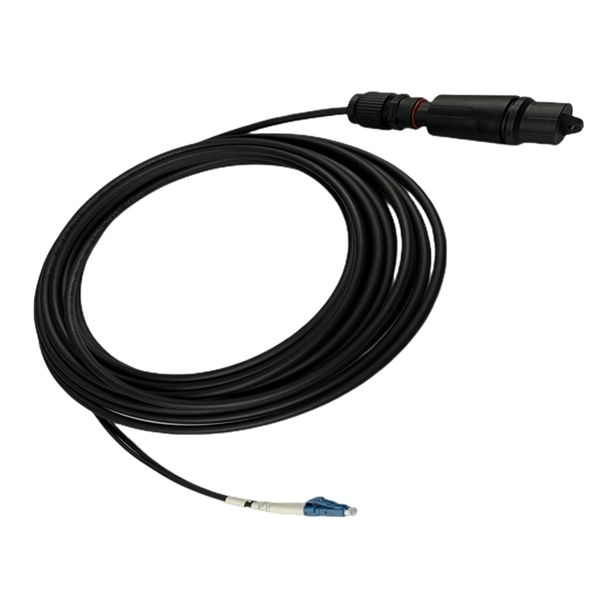
It's called a breaker box, and even though it might not look very exciting on the outside, what's behind that little door is the heart of your home's electrical system. Bottom Line Up Front: Your home's distribution box (electrical panel) is typically located in the basement, garage, utility room, or mounted outside near your electrical meter. To find it quickly, look for a rectangular gray metal box about the size of a medicine cabinet, often positioned close to. Electrical panel boxes, aka breaker boxes, can be on a wall in an out-of-the-way area of your home. You can find electric panels inside cabinets, behind refrigerators, or inside clothes closets in older homes. Current National Electrical Codes (NEC) allow none of these locations. Electrical panels. The electrical panel is the central hub that distributes electricity throughout the house. Knowing where to find your electrical panel in your home helps in case of emergencies and routine maintenance. Panels are commonly found in garages, basements, utility rooms, and outdoor walls. Understanding how your electrical panel works can help you troubleshoot issues, perform basic maintenance, and know when to. When something electrical goes wrong in your home—like a tripped circuit or sudden power outage in one part of the house—most people instinctively head to that gray metal panel, often hidden in a basement, utility closet, or garage. Having the breaker box.
[PDF]

After the new fiber optic cables have been run underground, our approved contractor will run a service drop, also known as the fiber optic cable line installed between your street and your residence. In this article we'll break down how fiber internet is installed - from the network fiber drop outside your house to the in-home setup with your router and gateway - and what you should expect at each stage. They will attach the service drop to an Optical Network Terminal (ONT), which will be mounted on. In this guide, we'll break down the fiber installation process from start to finish and explain key components such as fiber cabinets, flower pods, ducting, and ONT setup. What Is Fiber Optic Internet? Before diving into installation, it's important to understand what fiber optic internet is. Fiber optic installation is the way to go! It's super reliable and perfect for streaming, gaming, or using multiple devices. This guide breaks down the process in easy steps so you know what to expect. Fiber transmits data using light signals through glass strands, delivering faster speeds and lower latency than cable or DSL connections that rely on. Fiber-optic internet uses ultra-thin fiberglass strands to transmit high-speed data through underground cables or aerial wires. Our fiber-optic networks are installed via an underground cable or aerially from a nearby utility pole, depending on the network engineering design of your neighborhood.
[PDF]
Picking up the best router for fiber internet isn't just about going to the market and choosing one of the best wireless routers. Instead, you need to carefully look at its specs, performance, and the type of securit.
[PDF]
Single mode and multimode fiber optic cables are two different types of fiber optic cable aimed at different use cases. Single mode cables are typically made with a single strand of glass at their core, leading to a n.
[PDF]
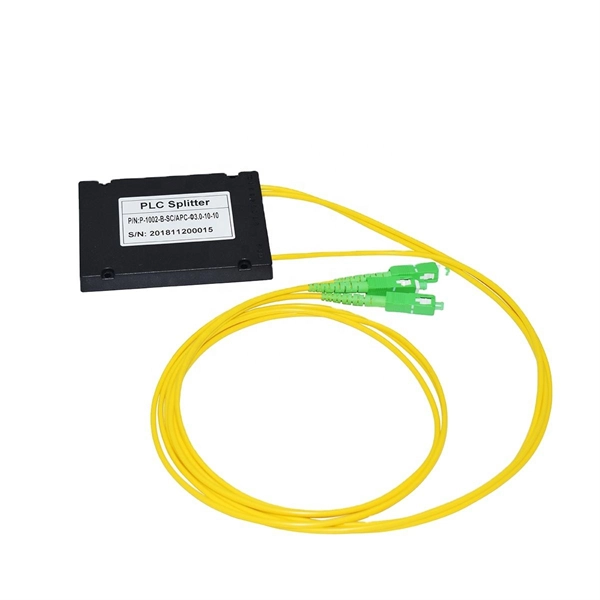
The main function of a Distribution Box is to act as a central hub. The single, thick cable bringing power from the utility company enters this box. Inside, the power is split into multiple, smaller circuits that run to different areas—like the kitchen, bedrooms, lighting, and. Indication Lights: These provide visual availability and status of mains power supply. Each component plays a specific role. Smart DB boxes have extra parts like energy monitoring units and communication modules. This guide breaks down everything you need to know about electrical distribution boxes in plain English. We'll explain what they are, the different panel types you'll encounter, NEC 408 requirements that govern their installation, and common applications for each type. 💡 Quick Answer: An. Here's a quick breakdown of the most important parts and what they do: Circuit Breakers (MCBs): These act like automatic guards. If there's too much current flowing through a circuit, the breaker trips and cuts off the power, preventing damage or fire. Safe habits and checking the box often help stop electrical accidents. These are MCBs, RCDs, busbars, and the main switch. An electrical distribution box is a centralized unit responsible for distributing electrical power across multiple circuits within various environments, including residential, commercial, and industrial settings. It typically contains essential components such as circuit breakers, surge protectors.
[PDF]


