This comprehensive list of top 10 online B2B marketplaces and manufacturers will lead you to find your perfect cable trays based on your business requirements. Let's explore the characteristics of these platforms together. The United States is a diverse landscape of top manufacturers spanning various sectors. These companies lead in innovation, technology, and global competitiveness, employing advanced techniques and contributing significantly to the national economy. They represent excellence in production and. Snake Tray: Snake Tray manufactures innovative cable management and power distribution products all designed to save on installation costs. All of our products have green features and are made in the USA. Established in 1903, nVent ERICO has been an integral rail industry supplier of niche. Other products such as frames, handles, guides, cable rings, shelves, baskets, racks, cable management panels, container holders, shelf dividers & sterilizer carts are available. is estimated to have 10-49 employees. estimated yearly. American Tech Supply a division of American Data provides a complete end cable tray, basket tray and Raceway System solution. Cable Tray and Cable ladder along with wire mesh trays are cable support systems that run large quantities of power or data cable overhead or under floors. com provides buyers with a free hand to explore customized cable.
[PDF]

This guide covers planning, installing, managing, and maintaining fiber optic cabling systems according to industry standards like TIA-942, BICSI, and FOA guidelines. You'll learn how to: Disorganized cabling creates direct financial consequences. Cable management involves organizing and securing network cables in a data center to ensure efficient operation and maintenance. It also facilitates easy. Data center performance and reliability fundamentally depend on proper fiber optic cable management, especially as bandwidth demands and density increase. According to the Uptime Institute's 2024 Annual Outage Analysis, over 54% of significant data center outages cost more than $100,000, with 16%. Effective data center cable management isn't just about aesthetics—it's about maximizing efficiency, ensuring reliable operation, and supporting future growth. With data volumes increasing in modern data centers, the complexity and density of cabling infrastructure continue to grow. Data center cable management includes methods, procedures and products to keep the cabling infrastructure in a neat and proper condition during the full data center lifecycle. With multiple tenants and varying connectivity needs, optimizing cabling strategies is essential. With data centers' growth in size and complexity, a holistic approach toward cable organizations would significantly cut down service restoration and improve cooling and maintenance.
[PDF]
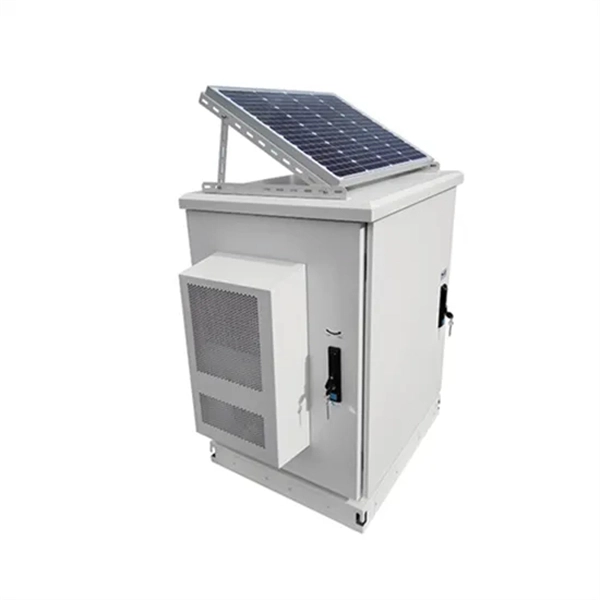
The SmartAisle offering optimizes infrastructure deployment and management with an intelligent row-based system that integrates data center racks, power, row cooling, aisle containment, monitoring and control technologies for spaces with up to 40 racks. Virtiv APM UPS provides reliable, transformer-free, on-line, uninterrupted power, and KIRK key interlock system for safety. Flexible power distribution:MB Modular Busway is a flexible and more economical way to deliver power to the rack without the cost and hassle of power cable whips. Vertiv Virtual Showroom displays a range of. With multiple ways to configure for future expansion, power and cooling redundancy levels and emergency ventilation - SmartRow is a flexible solution to meet today's needs while being prepared for tomorrow's unknown. The SmartAisle infrastructure solution optimizes the deployment and management of. The Liebert Intelligent SmartAisle Containment Solution holds supply air in the cold aisle requiring the servers fans to pull the cold air through the server and into the hot aisle, thereby improving thermal efficiency. The SmartAisle infrastructure solution optimizes infrastructure deployment and.
[PDF]

Fiber Connection: Locate the optical port on your router and carefully insert the fiber cable's connector, ensuring a snug fit. Click it into place if it has a locking mechanism. Power Up: Connect the power cords to your router and any additional devices (ONT, media converter) and. To connect your fiber optic cable to a router, ensure you have the following: Fiber optic modem (ONT): Most fiber connections require an Optical Network Terminal (ONT), provided by your ISP. Before diving into the connection process, gather these critical components: Optical Network Terminal (ONT): The cornerstone of most fiber setups, typically provided by your ISP. This. The fiber optic cable does not plug directly into a standard home router because the signal type must be translated. Here's a simple guide to help you through the process: 1. Check Your Fiber Optic Equipment Before you start, make sure you have the necessary equipment: Fiber Optic Modem (ONT – Optical Network Terminal):. Connecting a fiber optic cable to a router might seem daunting at first, but with the right tools and a bit of patience, it's a straightforward process. Our Experts are helping user's, who are facing issues with their tech gadgets like Router, Modem and extender.
[PDF]
In this paper, we present this new method of building OMS-OOCCN or its model. System design Our method applies three key information processing techniques such as geographic information system (GIS), simulation and expert system (ES) ones. We developed a specialized Geographic Information System for an internet service provider operating a fiber-optic network across multiple neighboring locations. Really, they are also the most important techniques for. Location Data (C. Summary of descriptive data (C. Manage Fiber Optics Network (maintenance &operation) (C. Final. A leading telecom infrastructure provider responsible for planning, deploying, and maintaining optical fibre cable (OFC) networks to expand digital connectivity across urban and rural regions. The client needed a reliable and accurate system to document, monitor, and manage thousands of kilometers.
[PDF]
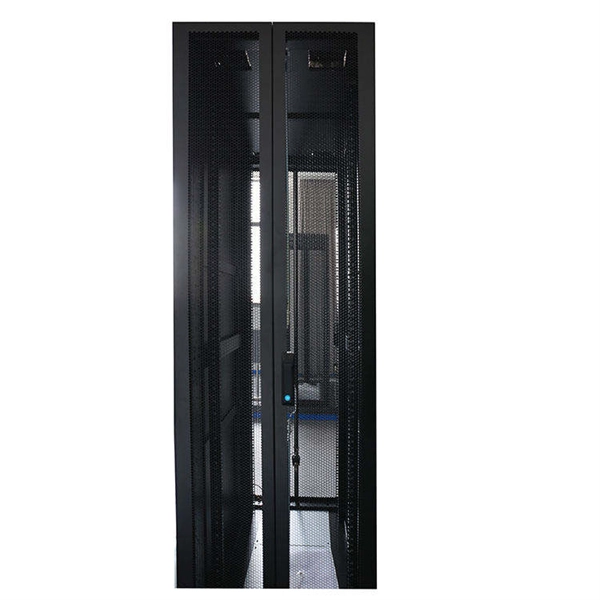
Review cutout sizes and modules. See specs, datasheets, order online. Vertical Distribution Managers are available in 8” and 12” widths. The VDM offers quick and easy cable routing for high density cable installation. Optional dual front doors offer easy access to cables and provide an elegant look for your data center. Cable fingers and spools support cables as they. Cable entry frames and kits for enclosures, panels simplify routing and strain relief. 91 inches in height and intended for use with 42U relay racks. It is used to organize cables on a relay rack which helps maintain proper airflow. Forward facing and equipped with a hinged front cover, it makes cable access quick and easy. The manager can also be. The M Series has been specifically designed to meet the demanding & varied requirements for protection relay applications in power utility sub-station environments. The standard 4U high 19-inch rack mounting modular configuration simplifies panel design & installation. Mounting points & overall. Weight capacity: 2,000lb. K04. Rackmount Mart - Rackmount Chassis and Rackmount LCD Source. Provide rackmount chassis, rackmount, rackmount lcd, rackmount monitor, kvm switch, disk array, single board computer, industrial computer, mobile rack, server rack, power supply, server case, raid tower, pc case, accessory, cabinet server.
[PDF]
Get access to all 80 remaining Manufacturers with complete contact information, addresses, and business details. As of January, 2026, we have compiled data on 90. CHEC Guyana Incorporated. LEXICON HOLDINGS INC. QINGJIAN GROUP COMPANY (GUYANA) INC. Orange Light – BSO INC. Global Stars International Imports & Exports. Imperial Radiator Services Limited. Visit the post for more. Find 86 Manufacturers & Suppliers in the Guyana. You can also list your company here for free. Vegetables And Other Local Products. Here are the top-ranked cable rack companies as of April, 2026: 1. Marken Manufacturing, Inc, 2. Osburn Associates, Inc. What Is a Cable Rack? Engaged in research on nitride semiconductor. There are 90 Manufacturers in Guyana as of December, 2025. **** Fibre-Tech Industria. **** Massy Gas Products G. ****. Guyana is a sovereign state on the northern mainland of South America. It is, however, included in the Caribbean Region due to its strong cultural, historical, and political ties with the Caribbean Community (CARICOM). With $990M in revenue, Guyana Sugar is ranked first on the list, followed by National Hardware with $35. Find additional information about some of the biggest.
[PDF]

Indoor: Painted steel or galvanized trays. Corrosive/High Humidity: Aluminum alloy or fiberglass-reinforced plastic trays. Fire resistance is a key factor when selecting cable trays for areas where fire hazards are present. Electrical fires can spread rapidly through the cables within a tray system, which is why choosing the right material for your cable tray is paramount in reducing the risk. Materials like steel. The first aspect to consider is the fire resistance rating of the cable tray. Different materials and designs will offer varying levels of protection. Typically, cable trays are classified under international standards such as UL 94 or IEC 60695-5-11. Corrosive/High Humidity:. These cable trays are essential for protecting electrical and communication systems during a fire, ensuring that important services such as emergency lighting, fire alarms, and building management systems continue to operate effectively. * Two (2) sticks of moldable putty (part number FSP-MPS) are also needed for each opening. UL Listed Systems Concrete Wall - C-AJ-4056 3 HR F-Rating, 3/4 HR T-Rating Gypsum. Where cables pass through shafts, walls, slabs, or enter electrical panels or cabinets, openings shall be tightly sealed with firestopping materials in accordance with design requirements. Process flow: reserved openings → busway installation → distribution box positioning and installation →.
[PDF]

When selecting an indoor fiber cable, several key characteristics must be considered to ensure optimal network performance and safety. These include the fiber type (singlemode or multimode), cable construction (tight-buffered or loose-tube), and fire rating (plenum, riser, or. This is where the advantages of fiber optics, specifically indoor fiber optic cable, become apparent. Offering superior bandwidth, lower latency, and enhanced security, it has become the gold standard for future-proofing indoor network infrastructure. This article will serve as your ultimate. Selecting the right indoor optical fiber cable depends on factors like transmission distance, space constraints, and building codes. This guide explores common indoor cable varieties and their distinct attributes when wiring rooms or structures for high-speed fiber optic links. These cables are primarily categorized into single-mode and multimode fibers. Single-mode fiber is engineered for light to travel in a single path, characterized by a smaller core diameter. Some cables might give you better performance, while others are built to last longer. Choosing the right cable isn't just about the immediate perks—it's also about thinking long-term. A cheaper cable might seem like a good deal at first, but it could cause problems down the line. Understanding the basics of these cables is essential for anyone involved in network installations or seeking to upgrade their existing infrastructure.
[PDF]
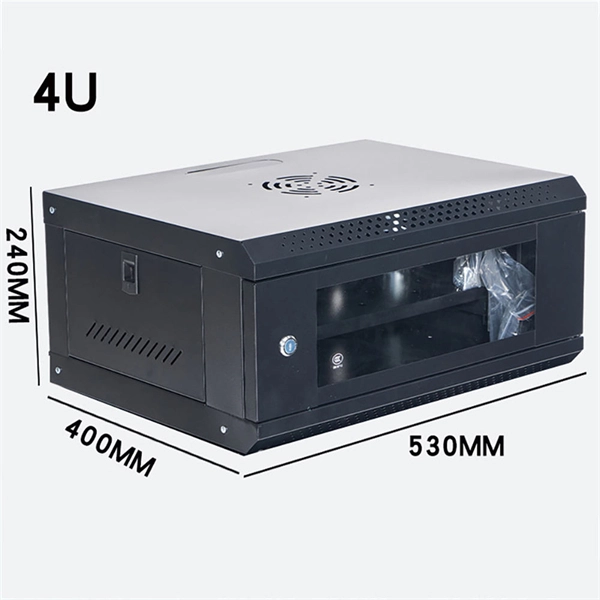
A cable management rack is designed to route, protect, and organize copper and fiber cables inside network cabinets. Beyond keeping cables tidy, a well-structured cable manager reduces cable stress, improves heat dissipation, and ensures bend-radius compliance for data transmission. This article provides a clear technical view of cable management racks, their structures, and how to select the right solution for modern networks. Cable management in server racks simply refers to organizing, routing, and securing power and data cables so they stay neat, accessible, and. Simply put, a cable rack is a structured set of shelves designed to organize, protect, and manage cables in various settings. These racks range from simple, affordable options to complex, high-capacity models that accommodate a vast number of cables. The benefits of using cable racks are numerous. Horizontal cable management is a cornerstone of efficient IT infrastructure, ensuring that server racks and enclosures remain organized, accessible, and functional., Ethernet, fiber optic, coaxial). At its core, it aims to: Minimize cable tangling, kinking, and wear. Simplify troubleshooting and maintenance. As businesses increasingly rely on robust network infrastructure, proper cable organization becomes critical for.
[PDF]

This cable must then plug into the dedicated Internet or Wide Area Network (WAN) port on your router. The WAN port is often clearly labeled and colored differently, as it is designed to receive the external internet feed. To connect your fiber optic cable to a router, ensure you have the following: Fiber optic modem (ONT): Most fiber connections require an Optical Network Terminal (ONT), provided by your ISP. This. The fiber optic cable does not plug directly into a standard home router because the signal type must be translated. The fiber line terminates at the Optical Network Terminal (ONT), which is typically supplied and installed by the internet service provider. This specialized equipment serves as the. This usually involves connecting the fiber cable from your internet service provider (ISP) to your home network equipment. It might be labeled "Fiber," "FTTH," "PON," or have a small receptacle for the fiber connector. Here's a simple guide to help you through the process: 1. Check Your Fiber Optic Equipment Before you start, make sure you have the necessary equipment: Fiber Optic Modem (ONT – Optical Network Terminal):. That is a router, put it in bridge mode if you want to plug your own in and not worry about double NAT Search the model # and figure it out Blue is 5gbps and yellow are probably 1gbps. How much bandwidth does your router need? Do you anticipate more than 1g going through? If so blue.
[PDF]

The Israeli cable trays market is a critical component of the nation's industrial and construction infrastructure, serving as the backbone for organized and secure cable management across diverse sectors. As of the 2026 analysis, the market is characterized by steady demand driven by sustained. A cable tray is an organized support structure designed to secure and route these insulated electrical cables. It acts as a dedicated pathway for power distribution and data transmission, often supporting cables hidden behind walls or above ceilings. People use them in many buildings and work places to give cables a steady place to run. Cable trays come in different types: Materials: They can be metal (like steel with a coating, or stainless steel), plastic (like. In the electrical wiring of buildings, a cable tray system is used to support insulated electrical cables used for power distribution, control, and communication. When properly selected and installed, cable trays simplify routing, improve accessibility, and support future expansion while. Metal cable trays are widely used in demanding industrial settings to support, organize, and protect extensive cabling systems, ensuring efficient and safe power and data distribution. Their robustness and adaptability make them essential in sectors where conditions can be extreme, compliance with.
[PDF]
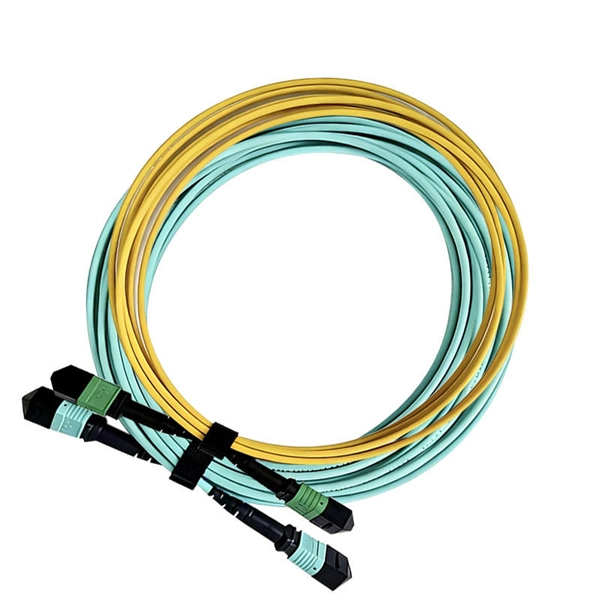
The answer is yes, and it's a practice widely used in the industry to distribute signals to multiple destinations without degrading the signal quality significantly. This article delves into the methods, benefits, challenges, and practical applications of splitting fiber lines. In principle, an optical cable can be split, but it's not as simple as just cutting the cable and attaching multiple devices. There are two primary methods of splitting an optical cable: Passive splitting involves using a specialized device called an optical splitter. This device takes the incoming. A fiber optic splitter is a passive optical component that divides a single incoming optical signal into two or more outgoing signals, or combines multiple incoming signals into one. What is Fiber Line. An optical splitter, also known as a beam splitter, fiber splitter, or fiber optic splitter, serves as a vital passive component in optical communication systems. Its primary function is to split the optical signal of one input optical fiber into multiple optical signals and transmit them to. An MPO breakout cable is a fiber optic cable designed to split a single multi-fiber connection into multiple separate connections. Fiber optic splitters have applications such as Fiber to the Home (FTTH) and Passive.
[PDF]