We, at Ruwais Steel are a leading high-capacity mill of Structural Steel products like angles, channels and beams manufactured exclusively in Alain, Abu Dhabi. Our products are of. Unigroup offers a line-up of high-performance cable trays, Trunking and Channel Systems for all your cable routing requirements. Our cable tray systems are engineered for modern infrastructure, ensuring safe, organized, and efficient cable routing across commercial, industrial, and utility. DANA STEEL PROCESSING INDUSTRY LLC (UAE/INDIA) :- Cable Management System Manufacturers based in UAE,with wide range of solutions including Perforated Cable Trays,Cable Ladders,Trunking,Strut Channels. DANA STEEL PROCESSING INDUSTRY LLC [A Division of www. Our cable trays are engineered to provide safe, organized, and long-lasting cable routing solutions for power, data, and control. Avadh Group of Companies (Avadh Metal Industries LLC & Avadh Metal & Building Material Trading LLC) mainly deal in the following types of MEP and Civil products: Our clients recognize our committed service that pays attention to the intricate detailed requests as we constantly work to achieve the. We are one of the most trusted & reliable Cable Tray manufacturer and suppliers of Cable Trays and other cable management product suppliers in UAE. Emerald Steel Industries LLC based in Ajman UAE, we are the trusted & reliable manufacturer and suppliers of cable tray products in UAE, Africa and.
[PDF]

Production equipment represents the fixed assets a company uses directly in the manufacturing process to add value to materials. This definition separates specialized machinery from general items like office supplies or transportation vehicles that do not physically alter the product. These manufacturing machines form the backbone of every production line — cutting, shaping, assembling and packaging components with precision and consistency. From CNC. Manufacturing equipment includes machinery, tools, and automated systems used in production, assembly, and packaging. Regular maintenance ensures efficiency and longevity. Proper management of equipment and utilization of advanced software solutions like HashMicro's Manufacturing Automation Software, can enhance productivity. Factory machines play a crucial role in manufacturing by speeding up production and improving efficiency. Understanding the different types of these machines can help businesses choose the right equipment for their needs. This guide will provide an overview of various factory machines and their. Every physical item is a product of manufacturing, and the machines that create them are the fundamental drivers of this output. This equipment transforms raw materials through precise, repetitive processes into complex finished products. Understanding this machinery is key to grasping how modern.
[PDF]
Fiber core manufacturing involves preform creation using chemical vapor deposition, followed by precision drawing at 2000°C temperatures with real-time diameter control and protective coating application. Getting into fiber core manufacturing 1 feels overwhelming at first. Single-mode fiber represents the pinnacle of long-distance optical transmission technology. With its precisely engineered small core diameter, SMF enables crystal-clear data transmission across vast distances. The technology is. The ultra-fast internet you rely on every day is made possible through fiber optic cables which are thin strands of glass or plastic. However, you know they go through an extremely complex manufacturing process involving advanced technology, extreme temperatures, and thorough testing. Let's take. Fiber optic cables are a crucial component of modern telecommunications and data transmission systems. Fiber optic technology has revolutionized the way information is transmitted, offering numerous advantages over traditional copper wiring. What makes fiber optic cables special is their ability to. The fiber optic cable core is the fundamental material at the heart of fiber optic cables, enabling the transmission of light signals for high-speed data communication in fiber optic technology. As the primary component that carries light within a fiber optic cable, the fiber optic cable core is a.
[PDF]
850nm IR laser diodes and blue laser modules are available with both single-mode and multi-mode beam profiles. They have either free space or fiber coupled outputs. The diode laser packages are ideal for OEM applications, and laser modules are available for. Ushio proudly announces the mass production and shipment of the new HL85022MG series laser diodes (LDs), which are characterized by high power, high efficiency, and excellent beam quality and are used as an infrared light source for night vision and ranging sensors. | What's New | Laser | USHIO INC. In addition to the comprehensive standard program of 905 nm and 1550 nm pulsed laser diodes, LASER COMPONENTS Canada also manufactures high-power pulsed laser diodes (PLDs) at 850 nm. The 850 series features the highest reliability, temperature stability, and the best beam characteristics.
[PDF]

Long Expansion Cycle: Optical fiber preform production has high technological barriers, and the expansion cycle can take as long as 18-24 months. Even if manufacturers start expanding immediately, the new capacity will not be available until at least 2027. This phenomenon is the result of multiple factors, including tight supply of optical fiber preforms (preforms), long expansion cycles for optical fiber production capacity, and the explosive growth of emerging applications such as AI computing power and drones. The expansion cycle of optical fibers is generally less than 6 months, and fiber optic cables can take 3 months. The expansion of production requires the purchase of equipment and the construction of factories. At the heart of this transformation lies fiber optic cable manufacturing, a precise and sophisticated process that powers our interconnected world. With the global fiber optic market reaching $6 billion and growing at 10% annually, the need for high-quality manufacturing solutions has never been. The manufacturing process of fiber optic cables involves several intricate steps that culminate in the production of high-performance data transmission solutions. This process begins with the creation of a preform, which serves as the foundation for the optical fibers within the cable. This intricate process combines cutting-edge technology, precise engineering, and.
[PDF]

The most common materials used for cable tray production are galvanized steel, stainless steel, and aluminum. Galvanized steel offers a cost-effective solution with good corrosion resistance. Stainless steel provides superior corrosion protection, making it suitable for harsh. A typical cable tray production line encompasses several key stages. These coils are then uncoiled and flattened through a leveling machine. Next, the material is slit to the required width for the tray. Selecting the right raw material for cable trays is vital to maintaining structural integrity, longevity, and cost efficiency. This article dives into the nuances of cable trays raw material, analyzing market trends, cost control strategies, and material innovations. The choice of raw material for. The production process of cable tray manufacturers usually includes the following main steps: Raw material preparation: The main raw materials for cable trays are usually stainless steel, galvanized steel plates, aluminum alloys, etc. It's strong, durable, and can withstand a lot of wear and tear.
[PDF]
China is scaling domestic capabilities, with TeraHop*, Hisense, Accezlink, amongst others, shipping millions of modules to power AI interconnects. The global silicon photonics market is projected to reach $9. 2 billion by 2028, with a CAGR of 19. 4% from 2023 to 2028. Asia Pacific is expected to grow at a CAGR of 22. 1% from 2023 to 2028, driven by data center. The increasing adoption of cloud computing, artificial intelligence, and machine learning necessitates more efficient and scalable optical interconnects, where silicon photonics offers a compelling solution due to its cost-effectiveness, miniaturization, and CMOS compatibility. 4% CAGR during the forecast period (2025-2031). Silicon photonics is experiencing strong growth due to the increasing demand for high-speed data transmission in AI, cloud computing. Yole Group unveils its latest photonic market and technology analyses, Silicon Photonics 2025 and Co-Packaged Optics for Data Centers 2025, which explore how AI-driven demand is reshaping connectivity, from transceivers to packaging innovation. 200G/channel will become the new mainstream, enabling. GlobalFoundries (GF) reported fourth-quarter 2025 revenue of $1. 83 billion and highlighted silicon photonics, advanced packaging, and GaN power as central growth engines tied to AI data center buildouts. Communications infrastructure and data center revenue rose 32% year-over-year in Q4 and 29% for.
[PDF]
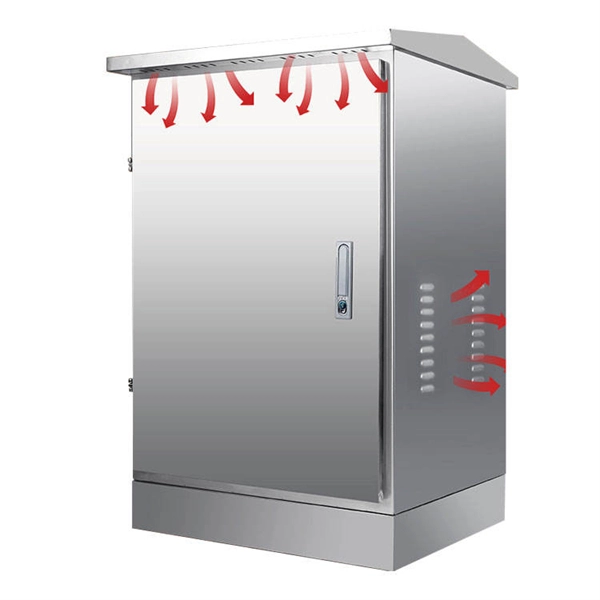
However, by using heat shrink tubing, it's possible to establish a tight, reliable seal around cables and wires, essentially providing a waterproof finish. This helps deter the risk of water-induced damage, helping to extend the durability and lifespan of your electrical systems. Outdoor junction boxes are exposed to harsh environmental conditions, including rain, snow, UV radiation, and fluctuating temperatures. Without proper weatherproofing, moisture can penetrate the enclosure through cable entries, mounting holes, or compromised seals. The consequences of poor. Heat shrink tubing is commonly used for waterproofing electrical connections, particularly in applications where exposure to moisture is a concern. Here's how waterproofing through heat shrink works: Selecting the Right Tubing: Choose heat shrink tubing that is specifically designed for. Heat shrink tubing is an indispensable thermoplastic sleeve used in wiring and cable management. It is a “must-have” insulating tool for electricians and engineers, providing reliable protection and a secure seal around wires and connectors. The outer layer is typically made of a durable, flexible polymer material (often polyolefin), which is designed to shrink when exposed to heat. This simple technology typically involves a polyolefin sleeve that has been expanded and then set with a memory to shrink back to its original, smaller size when.
[PDF]
Yes. Standard scissors and a ruler will be adequate in most cases, unless you require an exact length of tubing, in which case use a more precise measuring tool. For thicker tubing you may require wire cutt.
[PDF]

This video takes you through our highly automated cable tray machine production line. You'll witness how a coil of metal strip is transformed into standardized, ready-to-install cable trays through a series of precision processes. Understanding the intricate world of cable tray manufacturing reveals the sophisticated processes, quality standards, and technical expertise required to produce these essential electrical infrastructure components that power our modern world. The foundation of quality cable tray production begins. HCM-600 Cable Tray Automatic Production Line is a cable tray roll forming line that adopts metal sheet coils as raw material. It forms the sheet into specific shapes and specifications through decoiling, leveling, punching, notching, and roll forming. Together. Producing cable trays involves a detailed and precise process aimed at creating a robust and efficient system for managing electrical cables. These trays are used in various industries for organizing cables that carry power, control signals, or communication lines. Brilltech Engineers Pvt. Ltd is one of the trusted Cable Tray Manufacturers in Chad and brings you the products as per the need of your.
[PDF]

Indian manufacturers such as Ercon Composites and Aeron Composite employ automated pultrusion plants to manufacture glass fiber reinforced plastic (GFRP) trays carrying 60-65% glass content that are more durable and corrosion resistant. Ferrotech supplies FRP cable trays and accessories for industries like chemical, refineries, oil and gas industries, ports power plants and many more. It is widely acknowledged by leading consultants, contractors and multinational companies. Indiana FRP cable trays have been tested by independent. India's industry is undergoing a big change and FRP Cable Trays India is becoming the new norm instead of traditional metal cable management systems. We are 6+ Years and ISO 9OO1-2O15 certified and this means that we have the dedication to quality management systems and delivery of consistent product excellence. Fiber Reinforced Plastic (FRP) cable trays are taking center stage from traditional metal trays because they don't rust, they're. Our FRP cable support systems are ideal for locations where the metallic systems get easily corroded (Iron forms rusty layer and Aluminium makes white or silver greyish patina). Our FRP cable ladders and FRP cable trays are made on fully automated heavy duty plant. Our cable trays meet stringent.
[PDF]

Find information on Proterial Cable America's discontinued performance cable products and contact a sales representative for replacement options. The Fiber Optic Cable Production Market Report covers the $3. 8 billion industry which manufactures light-based transmission pathways for telecommunications, data networks, sensing, and specialized communication applications. Competitive structure features global connectivity corporations alongside. Below is a list of performance cable products discontinued. The first consideration in choosing a fiber optic cable is the environment that you will be using it in. HFCL is recognized as one of the largest manufacturers and suppliers of fiber optic cable across the globe, providing high-quality products and reliable services. Adhering to stringent quality standards, our cables are Telcordia GR-20-CORE and ICEA S-87-640 certified, ensuring top-notch solutions. DALLAS, Aug. 21, 2024 /PRNewswire/ -- ISE, Booth 410 -- OFS, a leading innovator in optical fiber solutions, is pleased to announce the expansion of its global manufacturing capabilities to better serve the hyperscale markets, driven by increasing demand for ultra-high fiber count (UHFC) cables. This strategic initiative highlights.
[PDF]

Optical cables are born from ultra-pure glass preforms, drawn into hair-thin fibers, coated for protection, bundled strategically, and encased in durable jackets. This meticulous process ensures light-speed data transmission with minimal loss. Fiber optic cables are the backbone of today's high-speed internet, telecommunication systems, and data transfer technologies. With the increasing demand for faster and more reliable connectivity, the construction of optical fiber cable factories has become essential. In this guide, we will. The Modified Chemical Vapor Deposition (MCVD) process was developed in 1974 at Bell Labs to improve traditional Chemical Vapor Deposition (CVD) methods for fabricating optical fibers. In MCVD, a quartz tube is used as the initial substrate or source material. Fiber optic technology has revolutionized the way information is transmitted, offering numerous advantages over traditional copper wiring. What makes fiber optic cables special is their ability to. Single-mode fiber represents the pinnacle of long-distance optical transmission technology. At Sinoptec, our advanced manufacturing processes ensure each fiber meets rigorous.
[PDF]