RCDs are designed to disconnect the conducting wires ("trip") quickly enough to potentially prevent serious injury to humans, and to prevent damage to electrical devices. A two-pole, or double-pole, residual-current device. The test button and connect/disconnect switch are colored blue.OverviewA residual-current device (RCD), residual-current circuit breaker (RCCB) or ground fault circuit interrupter (GFCI) is an. RCDs are designed to disconnect the circuit if there is a leakage current. In their first implementation in the 1950s, power companies used them to prevent electricity theft where consumers grounded returning circuits rath. with incorporated RCD are sometimes installed on appliances that might be considered to pose a particular safety hazard, for example long extension leads, which might be used outdoors, or garden equ.
[PDF]

Pictures and step-by-step instruction for splicing household electrical wiring to extend a circuit. Connecting wires to your home distribution box? See how electricians do it professionally! From selecting the right wire gauge to safely connecting the main. A distribution board or distribution box is where the main power supply is distributed to multiple loads. And all the switching and protective devices are installed in the distribution box. Single Phase Distribution Box generally consists of Double Pole MCBs, Single Pole MCBs, and RCCBs. Covers wiring, placement, standards, and expert tips for a compliant setup. It takes the incoming power and safely distributes it to different circuits throughout your building. Whether you're an electrician or a DIY enthusiast, this guide will help you understand the basics of home electrical distribution. What is Distribution Board? Distribution board. Always begin with disconnecting the main supply before accessing any enclosure containing distribution components. This prevents arc faults and ensures safety when modifying or inspecting current paths. Inside the service housing, line conductors from the utility feed typically enter through the. A plastic connector, called a wire nut, is used to insulate and secure the splice. Wire splice connections must be housed inside a covered electrical box, known as a junction box. A junction box is usually square.
[PDF]

The main switch, or main breaker, controls the entire electrical supply to the distribution box. This large switch allows you to disconnect all power to the building during emergencies or maintenance work. It's typically rated for the maximum current capacity of the electrical. A distribution box, also known as a distribution board, electrical panel, or breaker box, is an enclosure that houses electrical components responsible for distributing electricity throughout a building. It receives power from the main electrical supply and divides it into separate circuits, each. A distribution box is a key part of electrical systems in buildings. It helps control and distribute electricity to different areas. Inside, you'll find parts like circuit breakers and fuses that protect the system from problems like overloads and short circuits. Today, electrical systems are essential for homes and industries. But what exactly is a power distribution box, and why is it so essential in our daily lives? The DB panel board controls the flow of electricity. Distribution boards, often referred to as electrical panels or breaker boxes, serve as the nerve center of any electrical system. Key components of an electrical panel include the main circuit breaker, individual circuit breakers, and bus bars, all playing vital roles in. The power distribution boxes deliver electricity from the main electrical main to other circuits. Main Distribution Board (MDB) 2. Unitized Panel.
[PDF]

How to Install a Fibre Connector into a Patch Panel (Easy fibre optic connector installation) How to Install a Fibre Connector into a Fibre Optic Patch Panel. How do you install fibre optic connectors?. Connecting a fiber patch panel to a switch is a critical step in setting up a fiber optic network. There are different types of connectors. In today's high-performance networks, fiber optic patch cables are the lifelines that ensure smooth data flow across switches, servers, and routers. Even the most advanced optical transceivers can only perform at their peak when paired with properly installed, clean, and precisely managed fiber. Choose an SFP module based on the fiber optic cabling that will be connected to the network switches. SFP transceiver modules almost always require two fiber optic cable strands. A Fiber Patch cord connects two devices. You plug it into a switch, router, or patch panel. It's ready to use out of the box. A pigtail is for splicing. You fuse it to a. With a railroad switch (patch panel), the train (data) can travel from A to B, C and even more destinations, otherwise it can only go from A to B, or C to D. This article, What Is a Patch Panel Used for?, has explained it thoroughly.
[PDF]

For installation, it is best to use a regular distribution box. If there is no distribution box, you can also purchase a card slot for fixing the air switch at the air switch store. Fix the card slot on a wooden board or a wall, and then install the air switch on it. A distribution board or distribution box is where the main power supply is distributed to multiple loads. Single Phase Distribution Box generally consists of Double Pole MCBs, Single Pole MCBs, and RCCBs. Whether you're an electrician or a DIY enthusiast, this guide will help you understand the basics of home electrical distribution. What is Distribution Board? Distribution board. 1, the general switch of the household distribution box can generally choose double-pole 32-63A small air switch or isolation switch. 2、Lighting circuits generally use 10-16A small air switches. air conditioning circuits generally choose. An electrical panel box, also known as a breaker box or a distribution board, is a crucial component of any electrical system. Arrangement order: The circuit breakers should be arranged from left to right, and the reserved position is generally placed on the right side of the distribution box. Wire color: The neutral wire is blue, and the color of the phase wire (A phase is yellow, B phase is green, and C phase is red).
[PDF]
This guide will walk you through every step of the process, from selecting the right materials to securing connections and ensuring safety. Whether you're a seasoned professional or an enthusiastic DIYer, our detailed instructions will equip you with the knowledge and confidence to tackle this. Learn how to properly install an electrical box safely and efficiently. In this step-by-step tutorial, we'll cover: ✅ Tools you need. Covers wiring, placement, standards, and expert tips for a compliant setup. A distribution box is the heart of any electrical system. It takes the incoming power and safely distributes it to different circuits throughout your building. A neutral bar kit is a fundamental component within an electrical service panel, often called a breaker box, designed to manage the flow of electricity in a home or building. This metal strip serves as the termination point for all neutral conductors from the branch circuits. By consolidating these. Before starting the installation, finding a proper place for putting the distribution box is crucial, because it largely decides the safety and convenience of maintenance. Let's see what factors need to be taken care of when choosing the installation place. Beginning of dialog window. Escape will cancel and close the window.
[PDF]

Lighting Circuits: Use 1. 5 mm² copper wire. Dedicated Circuits: AC, geysers, and ovens should have 4. Main Incoming Cable: Use 10 mm² or 16 mm² for main supply connections. Also, consider. Professional electrical wire sizing tool based on National Electrical Code (NEC) standards. Calculate proper wire gauge, voltage drop, and ampacity for safe electrical installations. Input your electrical parameters to get accurate wire size. Comprehensive NEC-compliant electrical feeder size charts with copper and aluminum ampacity tables, voltage drop calculations, and real-world installation examples for safe electrical work. Electrical feeder sizing is one of the most critical calculations in any electrical installation, yet it's. This guide gives a clear tech look at home wiring sizes – breaking down what matters without fluff or filler. We'll show you clear, useful info and steps that make sense when setting up your setup. What is House Wiring Cable and Why Does It Matter So Much? Simply put, a house wiring cable is the. Choosing the right wire size is critical for electrical safety and code compliance. Whether you're building a new home, remodeling, or adding circuits, properly sized cables protect against overheating, voltage drop, and fire hazards. Incorrect sizing not.
[PDF]

The following tutorial explains how to wire split-phase (240V single-phase) circuit breakers and load points in a residential distribution panel. A distribution box is the heart of any electrical system. It takes the incoming power and safely distributes it to different circuits throughout your building. Whether in a home or an industrial facility, this box keeps your electrical setup organized, functional, and efficient. However, the key to. Household distribution boxes are essential components in modern electrical systems, providing a centralized location for managing electrical circuits within a home. While many families are familiar with these boxes, there is often a lack of understanding regarding their specifications and proper. While overhead lines have been ordinarily considered to be less expensive and easier to maintain, developments in underground cables and construction practices have narrowed the cost gap to the point where such systems are competitive in urban and suburban residential installations, which. Understanding how to safely set up the main connections of a home's power distribution system is essential for ensuring reliable and secure operation. Proper knowledge is crucial for. To install a whole-home backup power system, start by evaluating your home's power needs and choosing the right backup solution. Let's explore how these critical components work and why they deserve your attention.
[PDF]

Mouser ofrece inventarios, precios y hojas de datos para Switches Interruptores industriales. Newark provides a comprehensive range of industrial switches designed to meet the diverse needs of automation and process control. From basic mechanical pushbuttons to advanced touchless and biometric switches, our range is curated to ensure quality, durability and compliance with international. La gama de switches de WAGO garantiza la escalabilidad de su infraestructura de red ETHERNET, proporcionando características eléctricas y mecánicas excepcionales. Estos robustos switches están diseñados para uso industrial y cumplen plenamente con IEEE 802. WAGO's. Discover our selection of Industrial Series Switches. Our product experts are here to assist you. Get in touch with our team now. Driven by the nearshoring trend and the robust United States-Mexico-Canada Agreement (USMCA), international companies are increasingly looking for reliable toggle switch factories and suppliers in Mexico. The country's strategic geographic location, coupled with a highly skilled and cost-effective. Our Industrial Ethernet Switch portfolio comprises Managed and Unmanaged Switches with Gigabit, PoE, IEC 61850 certification, and for DIN rail mounting. This gives you the flexibility to build powerful and secure networks, even in harsh environments: copper and FO ports, as well as redundancy.
[PDF]

Welcome to our channel! In this video, we'll walk you through the process of wiring a home distribution box with a detailed connection diagram. more Welcome to our. A distribution box is the heart of any electrical system. It takes the incoming power and safely distributes it to different circuits throughout your building. Whether in a home or an industrial facility, this box keeps your electrical setup organized, functional, and efficient. It serves as a central hub for distributing electricity throughout a building, ensuring that power is delivered safely and efficiently to all the required locations. What is Distribution Board? Distribution board. A distribution board (also known as a service panel or breaker box) is a centralized collection of circuit breakers, fuses, and/or relays used to control and protect the wiring in a home. The diagram of the distribution board's wiring shows exactly how each circuit is wired and connected. It also. Understanding how to safely set up the main connections of a home's power distribution system is essential for ensuring reliable and secure operation. A correct installation process minimizes the risk of electrical faults and increases the longevity of your setup. Proper knowledge is crucial for.
[PDF]
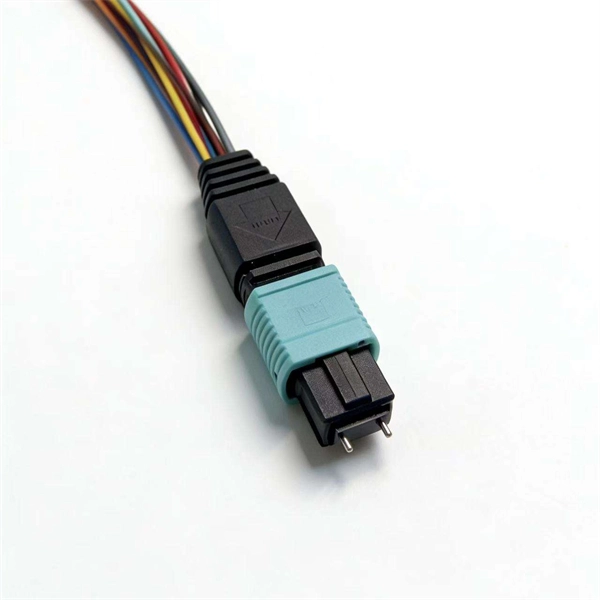
In this guide, you will find a chronological description of the fusion splicing process, the principal technical standards, and answers to the real-life questions network engineers and procurement teams may have. In this guide, we cover the basics of fiber optic splicing, how to perform splicing using two different methods, and finally some best practices to perform good fiber splicing. What is Fiber Optic Splicing and Why is it Needed? – #1. Use and Maintain Your. This Geoschematics drawing remains easy to read despite containing more than 2000 fibers and 500 splices. Splice Diagrams or Matrices capture an electric or optical network inside a location – documenting cables, ported equipment, and connections. Splices are fiber-to-fiber, port-to-fiber and. This guide will walk you through the complete process of fiber optic splicing—covering each step in detail so you can deliver a clean, professional splice every time. Before jumping into the physical steps, it's important to understand the two primary methods of fiber splicing: fusion splicing and. Page 1 The FOSC 450 fiber optic splice closures use compressed-gel cable seals to environmentally seal fiber cable splice points. FOSC 450-ab-c-dd-e-fgh The maximum single splice capacity of the FOSC 450 B6 closure is a = Closure size 144 with 24 splices stored on six trays. Therefore, we will also touch on cost factors, risk management, and best practices in.
[PDF]

Key cost drivers include panel amperage, indoor vs outdoor location, wiring length, and whether a full panel upgrade or rerouting is needed. Buyers typically pay for a full panel replacement, including labor, materials, and permits. The article outlines cost ranges, per-unit pricing, and practical. Typical cost ranges for replacing a distribution box or service panel in the United States vary widely based on panel size, amperage, labor, and whether a full service upgrade is needed. This article outlines the cost factors, price ranges, and practical budgeting advice for a U. The price depends on electrical code upgrades, permit. Check with a local pro for your specific job. The amperage your home needs and the type of panel you choose will determine your final project cost for the replacement. You should budget for permits. The average cost to replace a breaker box is $1,475 with most homeowners spending between $1,287 and $1,707. A low-amp subpanel costs from $500 to $1,000 while a 200-amp panel upgrade runs up to $4,000. Total costs depend on the type of home, the number of circuits, and the amperage. Our homes are. Enter panel size and installation cost details to estimate the total cost of installing an electric panel. Upgrading or replacing an electrical panel is a significant investment, and understanding the costs involved is crucial for homeowners and contractors alike. Our Electrical Panel Cost.
[PDF]
Home distribution boxes typically handle single-phase power supplies and contain 6 to 24 circuits. They include standard circuit breakers for lighting, outlets, and major appliances like water heaters and air conditioning units. A distribution box, also known as a distribution board, electrical panel, or breaker box, is an enclosure that houses electrical components responsible for distributing electricity throughout a building. It receives power from the main electrical supply and divides it into separate circuits, each. A distribution board is a fixed electrical panel that divides power into circuits with protection; a distribution box is more compact or portable, used for junctions or temporary setups. What is a Distribution Board? A distribution board —also called a panelboard, breaker panel, or electrical. This manual is for electronic distribution only and is designed to provide you with the most current information on the Los Angeles Department of Water and Power's (Department) service equipment and installation requirements. Every effort has been made to make this manual as complete and accurate. A distribution box is a key part of electrical systems in buildings. It helps control and distribute electricity to different areas. Today, electrical systems are essential for homes and industries. But what exactly is a power distribution box, and why is it so essential in our daily lives? The DB panel board controls the flow of electricity.
[PDF]
