This video shows real on-site footage of electrical installation, demonstrating safe and standardized wiring methods used by professionals. more Learn how to wire a distribution box step by step!. A distribution box is the heart of any electrical system. It takes the incoming power and safely distributes it to different circuits throughout your building. Whether in a home or an industrial facility, this box keeps your electrical setup organized, functional, and efficient. However, the key to. In modern electrical systems, cable distribution boxes (also known as electrical distribution boxes or distribution boxes) play a crucial role as the key hub for managing, distributing, and protecting circuits. It serves as a central hub for distributing electricity throughout a building, ensuring that power is delivered safely and efficiently to all the required locations. Box installation: Make sure that Distribution box has been correctly installed and fixed. Material preparation: Prepare the required circuit breakers, wires, wiring ties and other materials, and ensure that they meet the design drawings and installation requirements. Location determination:.
[PDF]

It transforms high volumes of electrical signals into optical signals for transmission over fiber cables, or reverses the process at the receiving end. Think of it like a Type-C to USB adapter in everyday tech—its core function is seamless conversion between electrical and optical. Optical modules are compact devices that convert electrical signals into optical signals and vice versa. They are used in fiber optic communication systems to transmit data over long distances with minimal loss and interference. These modules typically consist of a laser or LED transmitter, a. In the world of fiber optic communications, optical transceiver modules play a pivotal role as interfaces that convert electrical signals to optical signals and vice versa. An optical module works at the physical layer of the OSI model and is one of the core components in the fiber communication. The frequency response characterization of these electrical-to-optical (E/O, modulators sometimes integrated with lasers) and optical-to-electrical (O/E, photo detectors and receivers) converters can be important in terms of such parameters as bandwidth, flatness, phase linearity and group delay. The optical module serves as a crucial component in optical fiber communication systems, operating at the physical layer, which is the lowest layer in the OSI model. Among various optical module form factors, SFP (Small Form-Factor Pluggable).
[PDF]

Scattering accounts for the greatest amount of attenuation in a fiber cable, between 95 and 97 percent. Light traveling through the fiber interacts with the densities as shown in the light and is then partially scattered in all directions. Fiber optic cables have many advantages, but one of the downsides just like with copper cable, is that it can experience what is called attenuation. Attenuation refers to the loss of light as it travels down the fiber. This can be due to a variety of factors: scattering and absorption, intrinsic. This attenuation is inevitable, so the smaller the attenuation value, the longer the transmission distance of the same optical power. The better the quality of this fiber patch cable. It indicates the amount of signal reflected back. At TREND Networks, we are frequently asked how much loss is allowed when conducting testing on fiber optic cabling. Unfortunately, it is not a simple answer and depends on several factors. So how do you determine acceptable loss? When testing fiber optic cabling, determining acceptable loss is. Understanding fiber loss is vital in maintaining a reliable, efficient network. Understanding it is crucial for anyone involved in data centers, telecommunications, or enterprise networking. Here are the details and instructions about each field and how they contribute to the calculation: 1. Attenuation Coefficient (dB/km): This value represents the inherent signal loss per kilometer of.
[PDF]
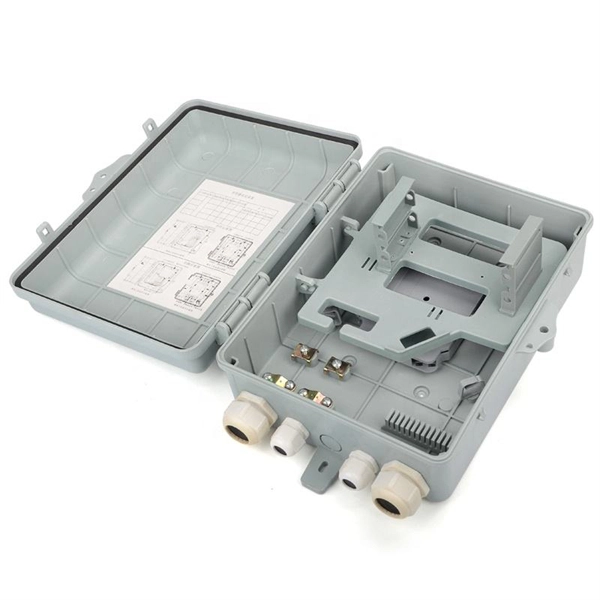
Practice good wiring: secure grounding, neat cable management, proper insulation, and correct wire gauge and breaker size. Include protection devices like breakers, fuses, and surge protectors—each circuit should have its own protection. Comply with standards: Follow NEC, IEC . Learn how to wire a distribution box step by step! This video shows real on-site footage of electrical installation, demonstrating safe and standardized wiring methods used by professionals. It serves as a central hub for distributing electricity throughout a building, ensuring that power is delivered safely and efficiently to all the required locations. Hey, in this article we are going to see the Single Phase Distribution Box Wiring Diagram and Connection Procedure. Whether you're an electrician or a DIY enthusiast, this guide will help you understand the basics of home electrical distribution. What is Distribution Board? Distribution board. Material preparation: Prepare the required circuit breakers, wires, wiring ties and other materials, and ensure that they meet the design drawings and installation requirements. Location determination: Determine the installation position of the circuit breaker according to the position of the. A distribution box is the heart of any electrical system. It takes the incoming power and safely distributes it to different circuits throughout your building. However, the key to.
[PDF]
However, with a few simple steps, you can open an outdoor electrical box safely and efficiently. Whether you're an experienced DIYer or a first-time electrician, this guide will show you how to open an outdoor electrical box without putting yourself or your property in danger. The first thing you. Whether you are an electrical contractor or a construction brigade, knowing how to properly and safely install distribution boxes is the basis of ensuring the safe operation of the entire system. This article details the process of installing them, which helps you comprehend distribution boxes. In this video, I'll guide you through the complete wiring diagram for a single-phase house distribution box. This metal enclosure receives high-voltage current from the utility company and safely divides it into various circuits that supply power to lights. Power Distribution Box: For starters, I built a rack for my truck to throw some "off road" lights on. I wanted a box to control these and some reverse lights. I also got an old remote starter from my dad that happened to have some aux outputs on it. As so. Also, there are many factors to consider when handling your breaker box. So, before we dive into the discussion, here's a list of tools that you must have. Electric Drill/Screwdriver 2. Personal Protective Equipment Step 1. Clear your working area Step 2. Check the surface of your.
[PDF]

Several distribution boxes are designed for specific use in offices or industries. Main Distribution Board (MDB) 2. Enclosed Switchgear. Electrical control panels and distribution boxes are the backbone of modern electrical systems. From powering homes and industrial facilities to supporting medium-voltage infrastructure, these enclosures ensure safe, efficient, and reliable power distribution. Whether it's a small electrical. A well-chosen and properly installed distribution box can prevent electrical hazards, reduce downtime, and ensure your electrical system operates smoothly for years to come. Let's explore how these critical components work and why they deserve your attention. A distribution box, also known as a. Distribution boards (DB), also known as consumer units, fuse boxes or breaker panel, are essential components in electrical installations that distribute electrical power from a main supply to various circuits throughout a building. Its primary roles are distribution, protection (using devices like. For procurement professionals, electrical contractors, and project managers, choosing the right Distribution Box (DB Box) is a critical decision that directly impacts system safety, reliability, and long-term operating costs. Whether it's a home, office, or factory, the DB box makes sure power is used safely and efficiently. Unitized Panel.
[PDF]
Online catalog w/end user & wholesale pric. Online catalog w/end user & wholesale pric. Check each product page for other buying options. Shop products from small business brands sold in Amazon's store. Learn more Need help?. What's the price range for Telephone Cords? The average price for Telephone Cords ranges from $10 to $900. Price when purchased online BUTTERFLY- Softalk 25' Phone Handset Cord Black Coiled, 4P4C Rj9 High Quality New Shipped!. Shop for Telephone Handset Cords at Walmart. Live better. 25 Ft., white, modular line cord, allows phone to extend 25 Ft. from wall, modular plugs at both ends and is compatible with 2 or 4 wire systems. Make a good call by choosing the Power Gear 100ft. line cord and replace your old, worn-out or damaged cord with a high-quality upgrade. Find the items you need to hook up your landline phone.
[PDF]
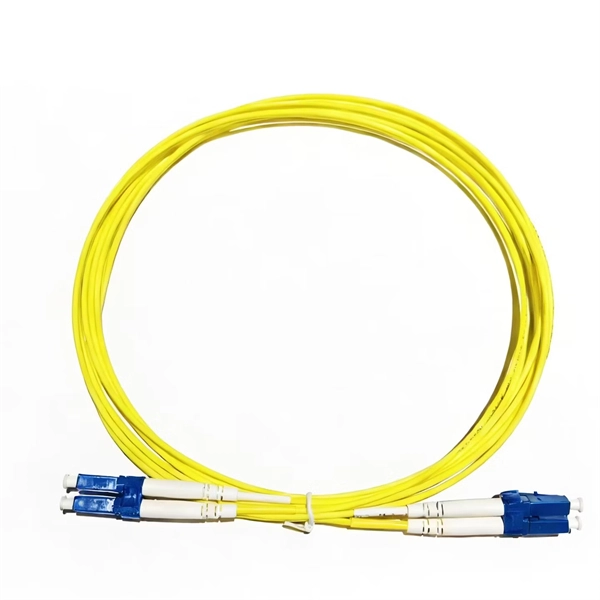
We carry many standard fiber optic patch cables available off-the-shelf for operating wavelengths from 250 to 2100 nm. These fibers have an inner jacket surrounded by a layer of Aramid yarn for. In this article, we'll take a closer look at the main parameters determining the price of a fiber patch cord, provide up-to-date pricing ranges, and assist you in becoming a smarter buyer—regardless of whether you are making a purchasing decision for a project, replenishing inventory, or placing an. The unit cost of fiber optic cables can vary from $0. 50 per meter, depending on several variables. Here's a general pricing reference: Cable TypePrice Range (USD/meter)Simplex / Duplex Indoor Cable$0. 30Single-mode Outdoor Cable$0. 50Multimode (OM1/OM2/OM3)$0. 10 –. Use Model Number F-PATCH-CUSTOM to configure a custom fiber-optic patch cord using these fibers. You can specify the fiber type, length, jacketing, and input and output connectors. Check each product page for other buying options. Need help?. 8 How to Estimate Cable Cost for a Project? What's the Typical Price Range? The unit cost of fiber optic cables can vary from $0. Main cost drivers include cable grade (indoor vs outdoor, armoured), distance, and labor for trenching, splicing, and termination. This guide presents ranges in USD and practical price estimates to help.
[PDF]
In this video, we'll walk you through the process of wiring a home distribution box with a detailed connection diagram. Whether you're an electrician or a DIY enthusiast, this guide will help you understand the basics of home electrical distribution. more Welcome to our channel! In this video. This guide provides step-by-step instructions for connecting a distribution box and highlights key factors to consider during installation. What Is a Distribution Box? A distribution box, also known as an electrical distribution board, is a critical component in electrical systems. It takes the incoming power and safely distributes it to different circuits throughout your building. However, the key to. A junction box provides a necessary protective enclosure for all electrical wire splices and connections, which must never be left exposed within a wall or ceiling. It serves as a central hub for distributing electricity throughout a building, ensuring that power is delivered safely and efficiently to all the required locations.
[PDF]

A simple 1-core FTTH drop cable costs around $0. 13 per foot, while a 288-count optical fiber cable for building backbones can reach $6 per foot or more. In this article, we'll take a closer look at the main parameters determining the price of a fiber patch cord, provide up-to-date pricing ranges, and assist you in becoming a smarter buyer—regardless of whether you are making a purchasing decision for a project, replenishing inventory, or placing an. Check each product page for other buying options. Need help?. Fiber-optic cable materials typically cost $1 to $6 per linear foot, depending on fiber count and cable type. Commercial building installations with 100-200 network drops generally range from $15,000 to $30,000. Single-mode fiber costs less per foot than multimode fiber, but it requires more. Knowing how much fiber optic cable costs, which factors can impact cost, and key cost considerations can help you avoid unnecessary expense and get the most out of your budget. First. Get low-loss fiber patch cables & cords with various connector options that support fiber optic cabling up to 400G. Customized cables available. Main cost drivers include cable grade (indoor vs outdoor, armoured), distance, and labor for trenching, splicing, and termination. This guide presents ranges in USD and practical price estimates to help.
[PDF]

The real cost: one worker's severe injuries, destruction of the main elevator structure, weeks of facility shutdown, and permanent damage to the company's safety record. The junction boxes that ignited the disaster? Standard NEMA 1 steel enclosures, $18 each. The explosion-proof Class II, Division. Outdoor explosion proof distribution box are essential components in modern electrical infrastructure, designed to manage and distribute electricity safely and efficiently within various settings. They play a pivotal role in ensuring the reliable flow of power, serving as the backbone of electrical. For electricians, engineers, and safety managers working in petrochemical plants, refineries, and manufacturing facilities, selecting the right explosion proof junction box ensures compliance, reliability, and peace of mind. Need Certified Explosion-Proof Junction Boxes? Get ATEX/IECEx options for. Uses item details. Price when purchased online Shop for Explosion Proof Electrical Box at Walmart. The article outlines cost ranges, per-unit pricing, and practical budgeting notes for U. Cost ranges account for panel amperage, location, and whether a full upgrade or repair is needed. A typical home replacement for a 100–125A indoor panel runs about $1,200–$2,500 in parts and labor; a.
[PDF]

The Cable Tray Sizing Calculator is an electrical calculator tool designed to determine the correct cable tray dimensions for electrical installations. Accurate fill ratio analysis and tray sizing per NEC, IEC 60364, and BS 7671 standards. Follow these simple steps: Define Tray Dimensions: Enter the width and depth of your planned cable tray (in mm or inches). Select Fill Standard: Choose 40% for power cables (NEC compliant) or 50% for. The all-in-one desktop software for cable tray sizing, fill rate analysis, bracket design, seismic verification, and thermal expansion calculations. Fully compliant with IEC, BS, NEC, VDE, and AREI standards. cable tray engineering. From initial sizing to final documentation — one tool handles it. Calculate cable tray fill ratio, weight loading, and derating factors for multi-standard compliance. This calculator features an interactive interface with advanced visualizations. Open the full calculator for the best experience. 0133 sq in each, the screen is about 0. This page is a preliminary cable-tray occupancy screen for early layout work. You need to install 50 power cables, each with a diameter of 0. The calculator would help determine if the chosen tray is sufficient or if a larger size is. Determine the total usable cross-sectional area of the cable tray by multiplying its width by its height (or depth). For mixed cables, sum the areas of all individual cables.
[PDF]

This report provides a comprehensive analysis of electrical distribution board (DB) box sizes, including physical dimensions, electrical capacities, and market trends based on current 2025-2026 standards. Large electrical power distribution boxes come in several sizes—single-gang for one device, double-gang for two, and so on. Check out this quick guide: Think about how many devices you need, where you will install the box, and the environment. Market Scope: The analysis covers residential, commercial, and light industrial electrical. Choosing the correct electrical box dimensions is essential for safe wiring, code compliance, and long-term reliability. Whether you are installing outlets, switches, lighting fixtures, or junction connections, box size directly affects wire fill capacity, device fit, and installation quality. This. Electrical enclosure sizes are not universal, but most manufacturers follow common size families. This guide explains typical wall-mount and floor-standing dimensions, how to read catalog sizes, and how to choose the right enclosure size for your layout. From powering homes and industrial facilities to supporting medium-voltage infrastructure, these enclosures ensure safe, efficient, and reliable power distribution. They help keep everything inside safe and working properly. Picking the right size matters. If the box is too small, things can get hot or hard to fix. If it's too big, you might waste space and money.
[PDF]
