
When Batelco was first founded in 1981, Bahrain already had 45,627 telephone lines in use. By 1982, the number reached 50,000. Batelco enjoyed being a monopoly in the telecommunications sector for the next two. Telecommunications in Bahrain are provided by the Bahrain Telecommunications Company, trading as Batelco, as well as other companies such as Zain and STC. Prior to 1981 telecommunications services were provided by two separate departments: national services were provided by the Bahrain. Explore the evolution of BNET in Bahrain, a testament to the nation's commitment to advancing telecommunications infrastructure and connectivity. BNET won the Gigacity Excellence Award at the WBBA Broadband Excellence Awards 2024! Learn about BNET's evolution and its journey to provide advanced. alth, and to maintaining national competitive advantage. Change in information and telecommunications technology (ICT) has accelerated over the last two ecades, and these two areas have increasingly converged. Since then, other companies such as Zain and VIVA have entered the telecommunications sector. During the same year, Optical fibres and cables were the 479th most exported product (out of 3,333) in Bahrain. In 2024, the main destinations of.
[PDF]
These towering structures, also known as electric pylons or transmission lattice towers, form the backbone of the communication infrastructure, enabling the seamless flow of data and information across vast distances. In the fast-paced world of communication and technology, the role of iron towers in the transmission and distribution of signals cannot be overstated. Found at the base of cell towers, rooftops, or even disguised in street furniture, the BTS comprises three critical subsystems: A. Power System: Keeping the Network Alive 24/7 Power is essential for uninterrupted service. These towering structures may seem simple at first glance, but they are complex systems designed to facilitate the seamless. Telecommunication Towers are tall, engineered structures designed to support the antennas and electronic equipment that power wireless communication networks. As essential infrastructure, these towers form the backbone for 3G, 4G, and 5G networks, ensuring reliable connectivity across both urban. Telecommunication towers are the unsung heroes in a world powered by instant communication and data exchange. Despite their. Introduction : The wireless network that provides voice and data services to cell phone users is known as a cell phone network or cellular network. In this tutorial, we will explore different types of towers including monopole, lattice, guyed, stealth, and rooftop towers used for seamless wireless.
[PDF]
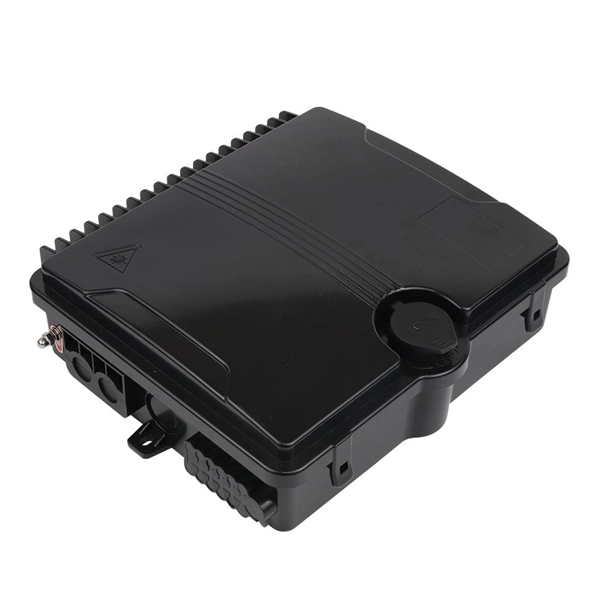
A shortage of fiber-optic cable equipment is blamed on AI data center demands as well as US protectionism. Warnings about a US fiber crunch that could slow down broadband deployment have intensified since the summer. In August, Incab America, a Texan maker of fiber-optic cable, notified customers. At Cables Plus USA, we understand how critical it is for our customers to receive the products they need—when they need them. That's why we're taking a proactive approach to help you navigate supply chain hurdles and keep your projects moving forward. The fiber optic industry is experiencing many. The fiber optic components market plays a critical role in enabling high-speed communication networks, data centers, and advanced industrial systems. These components—such as optical transceivers, connectors, amplifiers, and cables—are essential for the transmission of data across vast distances. Fiber optics aren't just another piece of digital infrastructure—they're the *primary medium* for most of the world's data. Over 95% of international data traffic moves through fiber, supporting cloud computing, streaming, mobile networks, and key enterprise apps. However, the global supply chain disruption is a huge challenge. Dwindling supplies of products from toilet paper to building supplies are now the norm. Fiber optics is no exception. -imposed tariffs on imports—especially those from China and other Asian manufacturing hubs—have triggered a wave of.
[PDF]