Set your fiber optic-to-Ethernet converter box in a location near your Ethernet switch and plug in its power adapter. Insert the end of your fiber optic network line into the fiber optic connector on the converter box. Fiber optic cabling is increasingly used to connect network switches and other datacom equipment, especially in long-distance and mission-critical applications. Fiber provides: Increased internet signal bandwidth. Most modern fiber-enabled network switches require an SFP transceiver module. This is a cost-effective and high performance way to connect network switches. Advantages Determine the length of the fiber run and choose either multi mode for runs under 1000 feet or single mode for runs over 1000 feet. SFP transceiver modules are specific to the type of fiber being connected. Connecting a switch to a fiber optic network involves several steps and requires specific equipment to ensure a successful and efficient connection. This guide will. In this article, we'll explain how to connect multiple Ethernet switches using fiber optic cables and the equipment required for this to work. Network topology refers to the way in which the links and nodes of a network are arranged in relation to each other. Ethernet ports are designed for copper cables (like Cat5e or Cat6), which transmit data using electrical signals. You need a media converter or a.
[PDF]

Aggregation switches are widely deployed in high-traffic environments, such as enterprise backbones, data centers, and large campus networks, where they serve as a bridge between the access and core layers. This document provides campus networks typical configuration examples and feature typical configuration examples. "Campus Networks Typical Configuration Examples" provides typical campus network networking modes and a variety of deployment examples. It works by designating a device to allow the aggregation of multiple test access points and to connect to multiple monitoring systems. TAP aggregation switches link. What Is an Aggregation Switch? An aggregation switch is a network device that consolidates traffic from multiple access switches, wireless access points, or other edge devices and forwards it to core switches or routers. By bundling multiple network connections into a single high-bandwidth link. This guide provides information and guidance to help the network administrator deploy the Meraki Switch (MS) line in a Campus environment. Campus networks typically adopt a tiered design, scaled according to the specific needs of the individual campus. This arrangement increases throughput beyond what a single relationship could. IEEE 802. 3ad link aggregation enables you to group Ethernet interfaces to form a single link layer interface, also known as a link aggregation group (LAG) or bundle. The LAG balances.
[PDF]

This guide provides CISOs and IT leaders with an in-depth look at network security architectures. Perimeter security is the first line of defense, protecting the network from external threats. It includes firewalls, intrusion prevention systems (IPS), and other security devices that control network traffic at the network's boundary. When effectively designed, network security reduces threats like unauthorized access and malware from impacting your network or. Network security architecture is a strategy that provides formal processes to design robust and secure networks. Effective implementation improves data throughput, system reliability, and overall security for any organization. It explains the key concepts in plain language, dives into the core components, shares a framework for. Microsoft Defender for Cloud provides cloud security posture management (CSPM) and cloud workload protection (CWP). It assesses your resources for security compliance, provides a secure score to track your posture, and offers threat protection across Azure, on-premises, and multicloud workloads. It encompasses hardware, software, policies, and procedures.
[PDF]

Mouser ofrece inventarios, precios y hojas de datos para Switches Interruptores industriales. Newark provides a comprehensive range of industrial switches designed to meet the diverse needs of automation and process control. From basic mechanical pushbuttons to advanced touchless and biometric switches, our range is curated to ensure quality, durability and compliance with international. La gama de switches de WAGO garantiza la escalabilidad de su infraestructura de red ETHERNET, proporcionando características eléctricas y mecánicas excepcionales. Estos robustos switches están diseñados para uso industrial y cumplen plenamente con IEEE 802. WAGO's. Discover our selection of Industrial Series Switches. Our product experts are here to assist you. Get in touch with our team now. Driven by the nearshoring trend and the robust United States-Mexico-Canada Agreement (USMCA), international companies are increasingly looking for reliable toggle switch factories and suppliers in Mexico. The country's strategic geographic location, coupled with a highly skilled and cost-effective. Our Industrial Ethernet Switch portfolio comprises Managed and Unmanaged Switches with Gigabit, PoE, IEC 61850 certification, and for DIN rail mounting. This gives you the flexibility to build powerful and secure networks, even in harsh environments: copper and FO ports, as well as redundancy.
[PDF]
The RPS1800 is a redundant power supply that ensures seamless failover if the internal power module of a switch fails. The switch can continue operating. CloudEngine S5731I-L series industrial switches (DIN rail–mounted) are Huawei's next-generation industrial switches. They support flexible all-gigabit access and GE/10GE uplink ports. It offers 8x 10/100/1000BASE-T PoE+ ports for powering connected devices, 2x GE SFP and 2x 10GE SFP+ uplink ports. Introducing the Huawei S5735I-S8U4XN-V2, a reliable switch designed for enhanced performance in various network setups. The switch can.
[PDF]
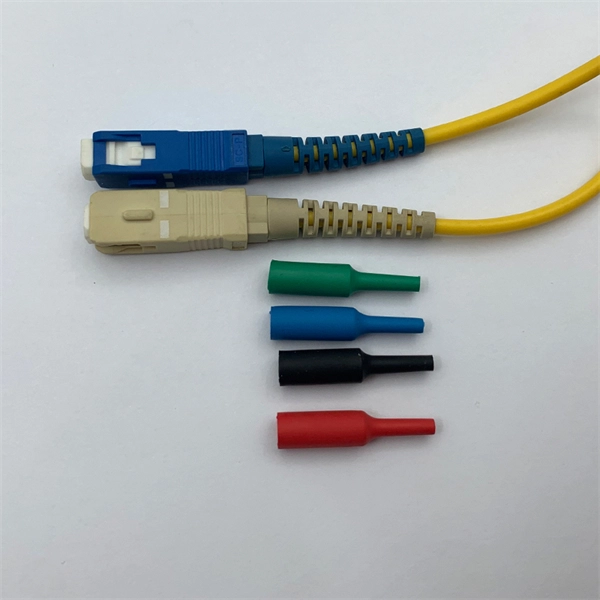
Splice boxes keep joints of fiber-optic cables safe from external stress and manage excess cable lengths. They are also referred to as Optical Termination Boxes. The GZR Series 19" Rack-mounted Terminal Box (Rail-based) is a functional component for optical fibre distribution frames or network integrated cabinets, offering fibre splicing, distribution, and tray storage. CAHORS offers complete solutions for FTTH distribution in residential. OTRANS provides professional, high-quality rack mount fiber patch panels (also known as fiber termination boxes) designed for modern data centers and network infrastructure. Our comprehensive range, from 1U to 4U standard 19-inch panels, offers scalable port densities (12 to 96 ports) to meet your. Distribution Cabinet Box – The Multi-Operator cabinet is a grouping module for fusion, coupling and connection of up to 48 fibers. Our boxes serve as a connection point for incoming and outgoing cables, providing cable termination, organization, and protection. GAO's box includes features such as cable. With the growing global deployment of Fiber-to-the-Home (FTTH) networks driven by the demand for ensuring high-capacity broadband services, mobile network operators (MNOs) face challenges of excessive energy consumption (EC) of wired optical access networks (OANs). This paper presents a.
[PDF]
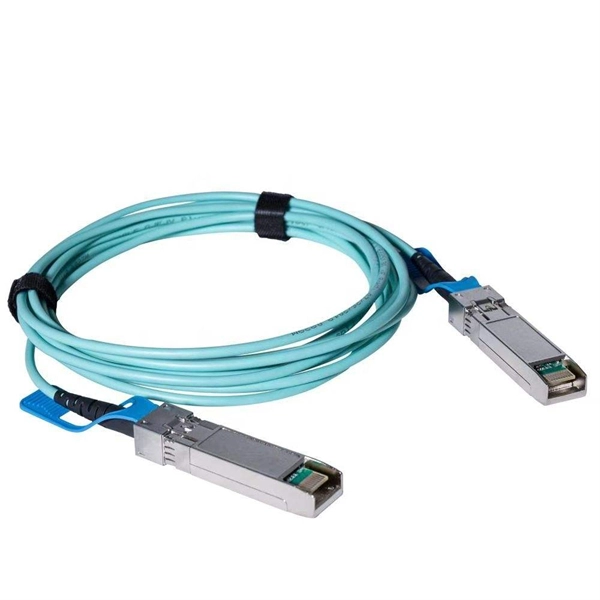
In today's data-driven world, high-speed optical modules (e., 100G/400G/800G) are the backbone of modern networks, enabling ultra-low latency and massive bandwidth for data centers, telecom, and enterprise applications. However, their performance hinges on proper deployment. nd Latency variation are very important in applications requiring accurate timing (e (PAM-4 or Coherent), require complex digital signal processors (DSPs) in optic itional EEPROM data content for propagation del ss C. 2” pluggable : 2% of the cTE budget ITU-T G. 2 allocated for Class C A. 20”. This article helps trading engineers and network architects select an ultra low latency SFP that fits 10G/1G optics needs while minimizing added propagation and serialization delay. A solution for accurately measuring the Latency of PAM4 optical modules is required. Potential source of time error in complex digital parts of pluggables. Higher bit rates (50 Gb/s and higher) and. Transceiver latency is a key spec in enterprise fiber optic networks especially in financial institutions. It is the one of the few variables that can be optimized since fiber path delay is fixed. However, their performance hinges on proper deployment and maintenance.
[PDF]
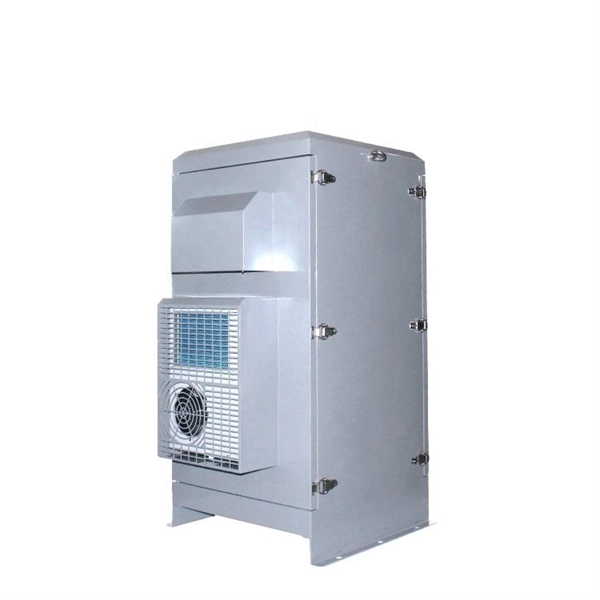
This guide covers the essential tools and step-by-step procedures for low-loss fiber optic cable repair. Fiber optic cables are the backbone of modern networks, delivering fast and reliable data transmission. Accidental cuts, breaks, or other damage can disrupt your network and cause costly downtime. With the right tools and techniques, you can efficiently repair damaged fiber cables and restore. While a cut or damaged fiber optic cable can temporarily take your network down, it is possible to quickly fix the cable with the right tools. This wikiHow article will teach you how to splice a cut fiber optic cable back together with a fiber optic stripper and cutter and a fiber optic crimper. This complete guide covers everything from identifying causes of failure to advanced repair techniques, drawing on the latest industry standards and innovations. Begin by identifying the damage, which can be done using an Optical Time Domain. When fiber cables sustain damage, specialized repair techniques help restore connectivity and maintain data integrity. The actual steps may vary depending on the cable and/or connectors.
[PDF]

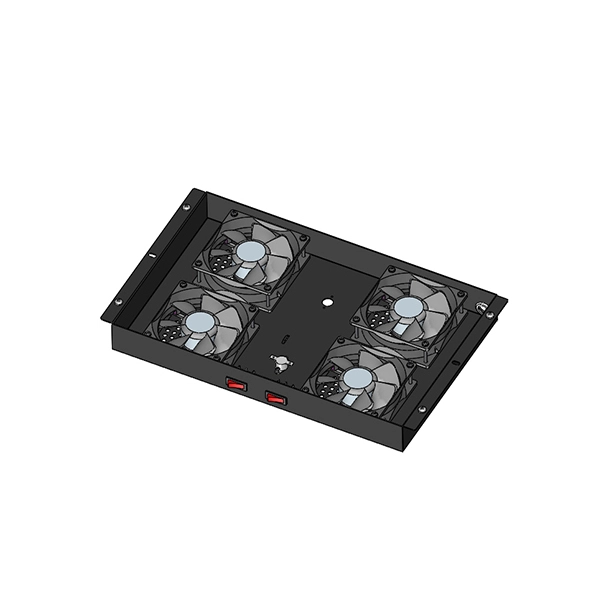
This guide provides essential best practices for server rack setup and organization, covering steps for effective installation, cable management, standards compliance, power distribution, cooling methods, and security measures. By following these practices, you can enhance your network's. An in wall network cabinet is a special type of enclosure that fits inside your wall. Unlike traditional floor-standing racks, these cabinets are recessed, which means they don't take up valuable floor space. They're designed to hold important networking equipment such as switches, patch panels. There are various options available, ranging from simple wall-mounted enclosures to larger floor-standing cabinets. Consider the amount of equipment you have and the future expansion needs when choosing the size of the cabinet. It should have enough space to accommodate your modem, router, network. Whether you're setting up a new office or streamlining an existing network, understanding the importance, types, and usage of network cabinets is crucial. In this comprehensive guide, we'll explore everything you need to know about network cabinets, transforming chaos into order in your network. Today, manufacturers are designing data equipment rated at 75W and 150W per square foot, and even higher because server vendors are introducing equipment as small as 1U in height-particularly with servers aimed at the Internet Service Provider (ISP) market.
[PDF]

OSFP, or Octal Small Form-factor Pluggable, is a high-speed transceiver form factor designed for next-generation data center networking. Compared with previous generations of optical modules, OSFP is optimized for higher bandwidth, better thermal performance and denser port. Among the various 400G optical transceiver form factors, OSFP stands out as a next-generation form factor specifically designed for high-speed Ethernet, offering clear advantages. This article introduces the fundamental concept and key characteristics of 400G OSFP Ethernet optical transceivers, and. Optech, a Taiwan-based optical transceiver manufacturer, provides professional 400G OSFP and 800G OSFP solutions designed for AI, cloud, high-performance computing, data center and advanced networking applications. Understanding MSA is critical for compatibility validation, cost. As data centers transition from 400G to 800G interconnects, bandwidth demand, power efficiency, and thermal constraints have forced the industry to look beyond traditional form factors. Designed to support 400 Gigabit Ethernet transmission with improved thermal performance and higher power capacity, OSFP modules are widely adopted.
[PDF]
Security system integration is the process of combining security devices for surveillance, threat detection, and access control into a single, interconnected system. Securitas Technology provides integrated security system solutions for thousands of commercial buildings and corporate campuses in North America. Our. Security Systems and Integration Solutions | L3Harris® Fast. L3Harris' extensive expertise and knowledge supporting system integration is built upon a rich history in the defense, space, civil government and cybersecurity markets with exceptional past performance in security and. Security isn't just about adding more systems — it's about making them work together. We've spent decades addressing. Integrating security systems consists of connecting different technologies (such as CCTV cameras, presence sensors, alarms, access control, remote gates, lighting and app monitoring) so that they work in a coordinated way, sharing data and responding automatically to events. Look Beyond. Get secure operations, seamless scaling, and expert-led Microsoft Copilot Implementation and 24/7 Managed SOC Services. Your business deserves IT that just works. We offer guaranteed outcomes: high reliability, minimal downtime, and strategic maintenance. We free your internal teams to focus purely.
[PDF]
Fiber optic cables, from the outside at least, don't look drastically different from many other kinds of cabling, since their outermost layer tends to be a colored plastic or silicon tubing. It's common for them to.
[PDF]

They are used to connect two fiber optic cables with different connectors or to change the connector type of a cable. In this article, we will discuss how to use fiber optic adapters, product selection, engineering applications, and precautions in use. Fiber optic adapters, also known as couplers, play a crucial role in fiber optic networks by providing a connection point between two fiber optic connectors. Using the wrong type or neglecting cleaning can lead to signal loss and unstable connections. In this guide, we'll explore what fiber optic adapters are, their main types, how to choose the. Fiber optic adapters play a critical role in ensuring stable and low-loss fiber connections. This guide covers adapter types, selection criteria, cleaning tips, FAQs, and B2B customization options to help businesses build reliable and scalable fiber networks. It ensures precise alignment between fibers and facilitates effective transmission of optical signals. Without the proper adapter, signals can degrade or become unstable, which can dramatically decrease the reliability of a network.
[PDF]