In this comprehensive guide, we will walk you through the step-by-step process of wiring outdoor outlets safely and effectively. 💡 Quick Answer: An outdoor electrical junction box is a weatherproof enclosure where electrical wires connect or split, required by code to protect connections from moisture, provide safe access for maintenance, and prevent electrical hazards in exterior applications. Properly wiring outdoor outlets enhances safety, functionality, and convenience. However, because outdoor electrical work involves. Installing an outdoor electrical panel box requires careful planning and execution. This guide covers everything you need to know for a safe installation. Understanding local electrical codes is paramount; these regulations ensure safety and compliance. Using the right tools, such as a voltage. Outdoor wiring faces harsher conditions than indoor installations as it is exposed to moisture, sunlight, and mechanical damage. Outdoor Receptacles (NEC 210. 9. An outdoor breaker box with integrated outlets is a specialized electrical assembly that serves as a weather-rated subpanel or load center. Designed for exterior use, it often features pre-wired receptacles directly on the enclosure. It takes the incoming power and safely distributes it to different circuits throughout your building. However, the key to.
[PDF]
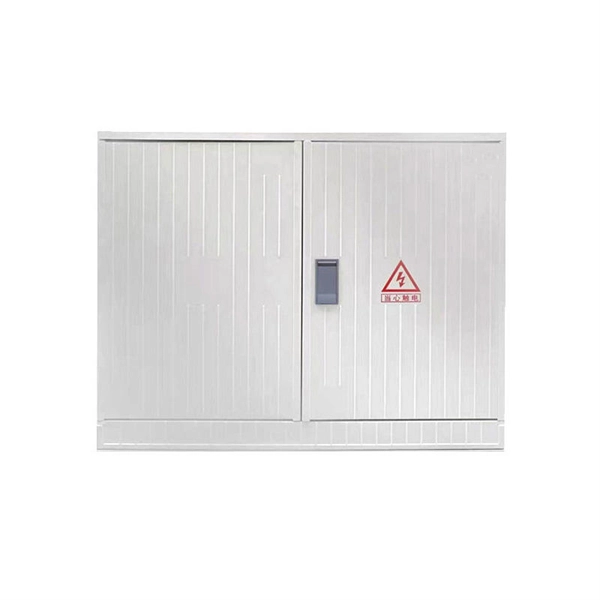
Thus, a fiber termination box is used to terminate the optical fiber cables in the field and connect them to the pigtail by splicing. After an optical cable arrives at the user's end, it is fixed in the terminal box. A fiber pigtail is a specific hardware connection used for cable termination. It serves as a termination point for optical fibers, providing a secure and organized space for connecting and managing fiber optic cables. FTBs play a vital role in ensuring the. A fiber terminal box, also known as a fiber distribution box, is a device used in fiber-optic communication networks to terminate, splice, and distribute optical fibers. It's where delicate strands are protected, splices are routed, connectors are exposed for patching, and future changes are made painless—or painful. Choosing the right fiber optic. The first response is typically to ask what kind of fiber optic installation are you looking at building? This will determine if a box is required or not. If you're ordering or have an existing fiber optic assemby over two strands we highly recommend the use of a termination box as it helps prevent. A Fiber Terminal Box (FTB) is a customer-side termination and distribution device used at the end of the optical network. Key Functions Typical Applications ZION FTB Highlights In essence: The Fiber Terminal Box is an end-user termination device for small-scale distribution. ■ What Is a Fiber.
[PDF]
Learn how to install a fiber optic termination box step-by-step for FTTH projects. Covers mounting, splicing, routing, labeling, and testing for indoor/outdoor use. Installing a fiber optic termination box is one of those jobs that looks simple on paper, but it's easy to do. A common question we receive is: How do you use a fiber-optic termination box? We recommend using a termination box if you're ordering an assembly with more than two strands. It helps keep your connectors free from contamination and dust, while also keeping your assembly neat and organized. Check. A Fiber Termination Box, also known as a Fiber Distribution Box, is a crucial component in fiber optic networks. They also feature resistance to moisture, impact, chemical exposure. Whether you're a network technician, IT professional, or simply looking to understand fiber optic networks better, this guide will provide you with the essential knowledge for working with fiber termination box.
[PDF]

This guide helps you determine the correct dimensions based on wire fill capacity, device requirements, and installation environment, ensuring a safe and efficient electrical system. Selecting the appropriate junction box size prevents overcrowding, overheating, and. A large variety of small enclosures: polycarbonate enclosure PK, aluminum enclosure GA, small enclosure KX, carbon steel in the terminal box versions with and without a flange, e-boxes, and bus enclosure. Learn how to. Connection boxes and terminal | Junction boxes | !. trait or landscape orientation in temperatures ranging from -60 oC up t +90 oC. For terminal and entry device configuration options please see ove er configurations c nal types and ter Attestation of Conformity and instruction. Within electrical installations regulated by NEC and UL standards, the terminology surrounding junction boxes extends well beyond simple measurements of length and width. Choosing the proper enclosure requires fluency in the language of gangs, physical footprint, and—most importantly— internal. Eaton's Crouse-Hinds series GboX junction and terminal enclosures are a glass-reinforced polyester (GRP) terminal box solution designed for use with metallic cable glands, cable entries on multiple sides/ faces, and with industry standard sizes to match common end-user specifications.
[PDF]

- YouTube This kind of box are used in the end termination or residential building sand villas, to fix and splice with pigtails, can be installed on the wall. Thus, a fiber termination box is used to terminate the optical fiber cables in the field and connect them to the pigtail by splicing. After an optical cable arrives at the user's end, it is fixed in the terminal box. Fiber Optic Terminal. Fiber Terminal Box is a terminal protection box for the splicing of fiber optic cable and pigtail. Fiber optic terminal box is a cable end fitting. Modern home networking often relies on a Fiber-to-the-Home (FTTH) connection, which typically terminates at a service provider's external box. Running fiber internally involves extending this high-speed link from the service entry point to a centralized location, such as a dedicated media closet or. This termination box supports 0. 0mm pigtails and 2x3mm indoor drop cables. Furthermore, this fiber termination box's innovative flip-up distribution panel simplifies installation and maintenance, allowing for easy access and efficient handling.
[PDF]

A terminal block box, also known as a junction box or distribution box, is a closed or semi-closed enclosure that contains terminal blocks (usually in the form of screw-type, spring-type or peel-free type). Fundamental Distinction: Terminal boxes utilize structured terminal blocks for organized, accessible connections and frequent maintenance, whereas junction boxes protect permanent wire splices and are rarely accessed after installation. Its core function is to provide a centralized connection. Contains terminal blocks that connect two or more wires via screw terminals. Ideal for systems that require secure, structured, and maintainable connections, often in industrial control systems or automation. The primary purpose of a terminal box is to provide a safe and secure. Is a terminal box similar to jbox? How many terminals can a junction box accommodate? A terminal box is an enclosure that is made to keep terminal blocks which are used to terminate and organize electrical wires. They are used in industrial setups to get a secure connection point. It is used in. The FJ6/JTS2D-B series power distribution terminal blocks are suitable for power and circuit distribution in electrical control equipment, switchgear assemblies,distribution boxes, and multi-circuit enclosures. Not all terminal blocks perform the same function, and understanding the main types.
[PDF]

The real cost: one worker's severe injuries, destruction of the main elevator structure, weeks of facility shutdown, and permanent damage to the company's safety record. The junction boxes that ignited the disaster? Standard NEMA 1 steel enclosures, $18 each. The explosion-proof Class II, Division. Outdoor explosion proof distribution box are essential components in modern electrical infrastructure, designed to manage and distribute electricity safely and efficiently within various settings. They play a pivotal role in ensuring the reliable flow of power, serving as the backbone of electrical. For electricians, engineers, and safety managers working in petrochemical plants, refineries, and manufacturing facilities, selecting the right explosion proof junction box ensures compliance, reliability, and peace of mind. Need Certified Explosion-Proof Junction Boxes? Get ATEX/IECEx options for. Uses item details. Price when purchased online Shop for Explosion Proof Electrical Box at Walmart. The article outlines cost ranges, per-unit pricing, and practical budgeting notes for U. Cost ranges account for panel amperage, location, and whether a full upgrade or repair is needed. A typical home replacement for a 100–125A indoor panel runs about $1,200–$2,500 in parts and labor; a.
[PDF]

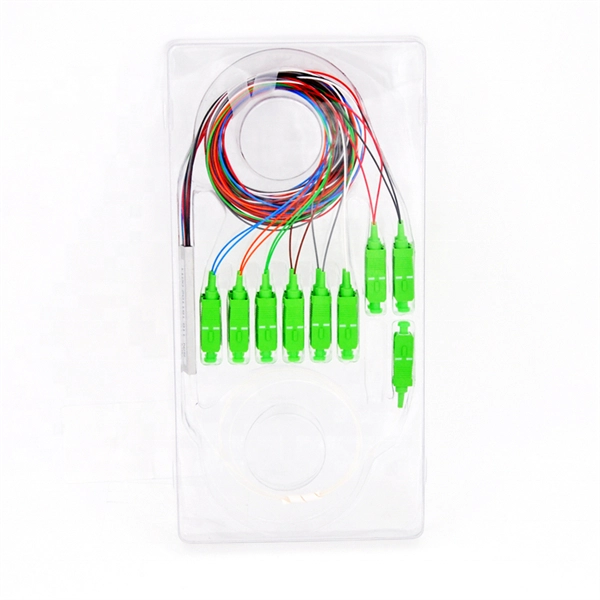
The fiber optic terminal box is the terminal connector of the fiber optic cable, one end is the fiber optic cable, and the other is the tail of the fiber optic cable. This is equivalent to a user's cable terminal box. Pigtail: Used inside termination boxes to connect the optical fibers in the fiber optic cable to pigtails or other components. Fiber patch cord: A fiber patch cord has connectors on both ends and is used to connect. Where copper twisted pairs tend to terminate with an RJ45 plug, fiber optic connectors come in all sorts of shapes and sizes, with all manner of different use cases in mind. An optical fiber connector is used to join optical fibers where a connect/disconnect capability is required. The fiber. The terminal box is a fiber management product used to distribute and protect optical fiber links in FTTH networks. By understanding the components, types, and differences between various fiber management devices, businesses can make informed decisions when deploying and maintaining their fiber. The fiber termination box is an interface between the fiber cable from the line side and the pigtails to be passed to the fiber distribution frame. Key Functions Typical Applications ZION FTB Highlights In essence: The Fiber Terminal Box is an end-user termination device for small-scale distribution. ■ What Is a Fiber.
[PDF]
A Fiber Optic Termination Box is designed to secure and organize fiber optic connections, typically by linking fiber cables to an optical device through a patch cable. It can also function as a fiber optic distribu.
[PDF]
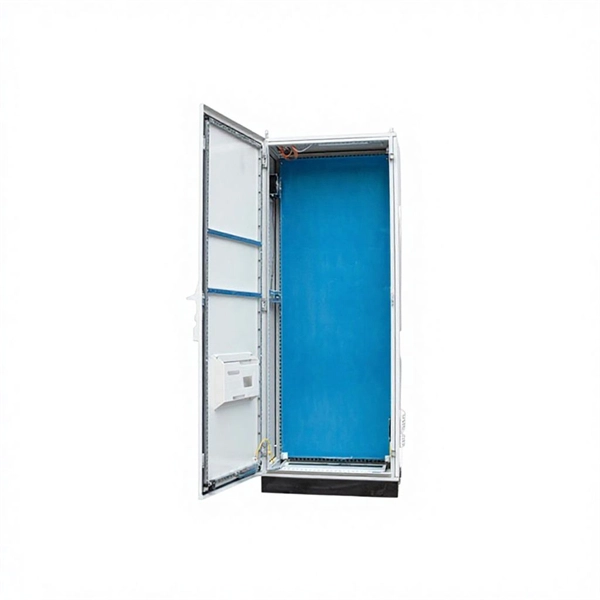
Thus, a fiber termination box is used to terminate the optical fiber cables in the field and connect them to the pigtail by splicing. After an optical cable arrives at the user's end, it is fixed in the terminal box. A fiber pigtail is a specific hardware connection used for cable termination. Fiber adapters: These are used to connect the fiber optic cables to the fiber termination box and should comply with industry. This article will guide you through the necessary tools, materials, and methods on how to connect fiber optic cables effectively, ensuring you achieve optimal performance from your fiber optic network. Have a network installation project? Fiber Optic Cables: The primary medium for your connections. To establish easy and safe installation put the box where it will be installed and measure the required length of the cable. Prepare the safe installation of the box. 5 meter or more, to. Learn how to install a fiber optic termination box step-by-step for FTTH projects. Covers mounting, splicing, routing, labeling, and testing for indoor/outdoor use. Installing a fiber optic termination box is one of those jobs that looks simple on paper, but it's easy to do poorly in the field. Preparations: Before installation, please ensure that you have obtained optical fiber network access services.
[PDF]

Connect the phase and neutral wires from the input power supply to the input of the Main MCB. Learn how to install a distribution box safely and correctly. Covers wiring, placement, standards, and expert tips for a compliant setup. It takes the incoming power and safely distributes it to different circuits throughout your building. Learn how to wire a distribution box step by step! This video shows real on-site footage of electrical installation, demonstrating safe and standardized wiring methods used by professionals. Below is a quick checklist of everything you will need for a safe and efficient installation: Connecting a distribution box involves several steps to ensure proper electrical flow. It is usually equipped with circuit breakers, fuses, terminal connectors, and other components. It is mainly used to isolate fault circuits, prevent overload, and ensure the safe operation of. Box installation: Make sure that Distribution box has been correctly installed and fixed. Location determination:. An electrical panel box, also known as a breaker box or a distribution board, is a crucial component of any electrical system. It serves as a central hub for distributing electricity throughout a building, ensuring that power is delivered safely and efficiently to all the required locations.
[PDF]
This video shows real on-site footage of electrical installation, demonstrating safe and standardized wiring methods used by professionals. more Learn how to wire a distribution box step by step!. Plastic is lighter and good for indoor setups. Choose based on where you'll install the box. Inside the box, you'll find things like circuit breakers, busbars, terminal blocks, and wires. These parts control and distribute the electricity to different circuits safely. Some boxes also include DIN. Strictly speaking, the word “Distribution Box (D-box)” can refer to two categories: electrical distribution boxes and septic tank distribution boxes. This article mainly talks about the first one. I'll cover these four popular conduits: Remember, electrical conduits can be either rigid or flexible, and they come in various materials like metal, aluminum. NEC Article 314 establishes requirements for the installation and use of electrical boxes, conduit bodies, fittings, and handhole enclosures. A conduit body is a removable-cover section of a conduit system that provides access at junctions or termination points. Article 314 applies to: These. Where metal boxes or conduit bodies are installed with messenger-supported wiring, open wiring on insulators, or concealed knob-and-tube wiring, conductors shall enter through insulating bushings or, in dry locations, through flexible tubing extending from the last insulating support to not less.
[PDF]

(i) For accessibility, it is necessary that the distribution box be located and have a removable cover not more than 12 inches below grade. Where, due to site conditions, a distribution box must be greater than 12 inches below the surface, an exte. (i) For accessibility, it is necessary that the distribution box be located and have a removable cover not more than 12 inches below grade. Where, due to site conditions, a distribution box must be greater than 12 inches below the surface, an extension collar shall be installed to within 12 inches of the surface. (ii) All outlets from the distribut. (i) In serial distribution, an upper distribution line is allowed to fill before the effluent overflows into a lower line. This method is acceptable for use with dosing systems only. (ii) The connections between distribution lines is made with non-perforated pipe placed in undisturbed soil. (i) Drop manholes are used on sloping sites to reduce the velocity of flow to lower distribution lines. This system may be used with gravity distribution. (ii) Baffles at the inlet end of the manhole and approximately four inches from the inlet are required in drop manholes. (iii) The inverts of all outlets in each manhole shall be at the same leve.
[PDF]