
Recommendation ITU-T L. 163 describes criteria for the installation of optical fibre cables defined in Recommendation ITU-T L. 110 in remote areas with lack of usual infrastructure for installation including the procedures of cable-route planning, cable selection, cable-installation. The Fiber Optic Association, Inc. (FOA) was founded in 1995 to help develop the workforce to build the fiber optic networks to support a rapid expansion in communications and the Internet. They define a minimum baseline of quality and workmanshi for installing electrical products and systems. NEIS® are intended to be referenced in contrac documents for electrical construction ation or liability to users of this publication. Existence. This section covers Agency requirements for fiber optic service entrance cables intended for aerial installation either by attachment to a support strand or by an integrated self-supporting arrangement, for underground application by placement in a duct, or for buried installations by trenching. National Electrical Installation StandardsTM are designed to improve communication among speci-fiers, purchasers, and suppliers of electrical construc-tion services. This Standard may also apply to the Jet Propulsion Laboratory other contractors, grant recipients, or parties to agreements PR 8735. 2, Hardware Quality Assurance Program Requirements for Programs and Projects.
[PDF]

ADSS stands for All-Dielectric Self-Supporting. Let's break that down, because every word matters: All-Dielectric: It contains ZERO metal. No steel messenger wire, no aluminum armor. This means it is non-conductive. All-dielectric self-supporting (ADSS) cable is a type of optical fiber cable that is strong enough to support itself between structures without using conductive metal elements. It is used by electrical utility companies as a communications medium, installed along existing overhead transmission. 1. 1 The structure of ADSS optical cable ADSS is the abbreviation of All Dielectric Self-Supporting aerial optical cable in English, which means "all-dielectric self-supporting optical cable", and its structure does not contain any metal materials. AFL-ADSS® (All-Dielectric Self-Supporting) cable is ideal for installation in distribution as well as transmission environments. ADSS stands for All-Dielectric Self-Supporting. It is made entirely of glass, plastic, and aramid fibers. The result is that they can be hung in a straight line between poles or towers with no additional metallic. The ADSS Optical Cable is the full -scale self -inheritance optical cable. Composition: It consists of non -metallic enhanced core, fiber, aluminum foil shielding layer and non -metal protective cover. Features: no metal, tension resistance, self -inheritance, high insulation, inductiveness.
[PDF]

Yes, it is possible and often recommended to run fiber optic cables through conduit. This practice provides several benefits, including protection from physical damage, environmental hazards, and unauthorized access. Fiber optic cables have revolutionized the way we transmit data, offering high-speed connectivity and reliable performance. Whether you're setting up a network in your home or installing fiber optic cables for a large-scale project, one crucial factor to consider is the conduit. The hair-thin glass cores within the cable are highly sensitive to physical stress and tight bending, which can cause signal loss or permanent damage. In this comprehensive guide, we will walk you through the process of choosing the right conduit for your fiber optic installation. However, there are important considerations and guidelines to follow to ensure the. I will be running a 2 - 3" conduit run between two buildings that I will be pulling a fiber run through. My current plan is to run 2" or 3" PVC conduit across the two building (clamped to the underside of a metal stairwell and on each building mount a 10x10 (or whatever size is recommended) PVC box. Learn how to pull fiber optic cable through conduit with this informative article. Find step-by-step instructions and tips for a successful installation. (Many of the links in this article redirect to a specific reviewed product. Your purchase of these products through affiliate links helps to.
[PDF]

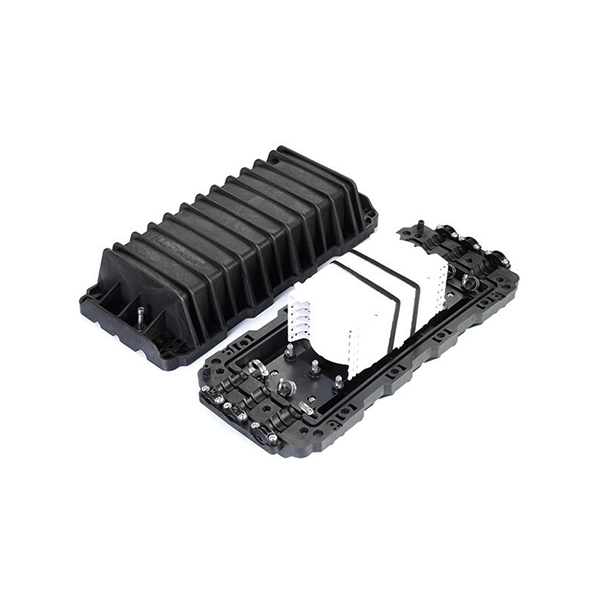
The presence of a strong sealant in the closure helps prevent water and air from entering it. Some splice closures have all cables entering into one end, usually called dome closures or sometimes called a butt closure, while some have cable entries on both ends, sometimes called inline closures. Inline closures are used in applications where two identical cables are spliced and an inline. Fiber splice joint closures are vital but often overlooked. It plays a crucial role in keeping networks running smoothly, even in the harshest conditions. Let's explore what they are, why they matter, and how technological advancements are making them even better. Fiber splice joint closures are. A fiber optic splice closure is a protective enclosure designed to house and protect fiber optic splices and, in some cases, passive optical components. It provides mechanical protection, environmental sealing, and internal fiber management for spliced optical fibers. Fiber optic splice closures have been widely used in various fields such as communication, network systems, CATV, etc. There are. CommScope addresses these challenges with a comprehensive family of fiber splice closures that prioritize essential criteria: reliability, installability, flexibility, and speed of deployment. Whether underground, aerial, or in manholes, splice closures are the first line of defense against environmental threats to your fiber.
[PDF]
Connect the red wire to the copper wire with the red color bar of the optical/electrical composite cable, and connect the black wire to the other copper wire of the optical/electrical composite cable. Then press and secure the crimp tube. Ensure that no copper. The composite fiber optic cable is a type of cable that combines both fiber optic and copper conductors within a single cable sheath. This hybrid construction allows for the simultaneous transmission of data using fiber optics and electrical power or additional data using copper conductors. How to Use the Composite Fiber Optic Cable? To begin, you need to gather all the accessories and equipment required: 1. Waterproof Industrial-Grade Fiber PoE Media Converter Compatible with the IEEE802. Cut the cable along the center and pull one copper cable on the left and right sides to the position shown in the figure to expose the optical fiber. Whether you're a seasoned technician or a beginner, this guide has something for everyone. more In this video, we'll walk you. In a previous blog, we covered what to do when you need to connect a device that is located beyond the 100-meter distance requirement and described four ways to address the problem—a new TR, the use of an extender device, extended-reach copper cable and fiber. This article will guide you through the necessary tools, materials, and methods on how to connect fiber optic cables effectively.
[PDF]
6Wresearch actively monitors the Haiti Active Optical Cable Market and publishes its comprehensive annual report, highlighting emerging trends, growth drivers, revenue analysis, and forecast outlook. Our insights help. A new undersea fiber optic cable is in construction to connect Haiti digitally to the civilized world via the Bahamas. What does a fiber optic undersea link to Haiti mean for you the Haitian consumer? Fiber optics means NO MORE ECHOES - How many times do you call Haiti and keep shouting. Two years after Haiti was struck by a devastating 7. 0 magnitude earthquake, the country is set to receive a major boost with the delivery of a US$16m 200km undersea cable which will link the country to the world via internet connectivity, thanks to Digicel. Our insights help.
[PDF]

This standard has been prepared by the Technical Committee CTN 212 Telecommunication cables and optical fibre the Secretariat of which is held by FACEL. Este documento ha sido adquirido por a través de la suscripción a AENORmás Premium. Para uso en red interna se requiere de autorización previa de. The FOA Online Reference Guide on the FOA website is probably the largest and most used reference site on fiber optics on the Internet. For those who prefer printed. ITU-T handbooks provide information on topics in telecommunications such as operational aspects, network planning, quality of service, implementation guidelines, outside plant protection against electromagnetic effects, measurement methods, security and mobile systems. The Handbook is intended as a. Major International Standards Organizations for Fiber Optics Several international organizations develop and maintain standards for fiber optic products. These standards ensure interoperability across manufacturers, regions, and applications. This work materialized through the development of good practices, procedures and specifications documents, reflecting a certain state of the art at a given time, and the result of a consensus of all stakeholders (op lable.
[PDF]
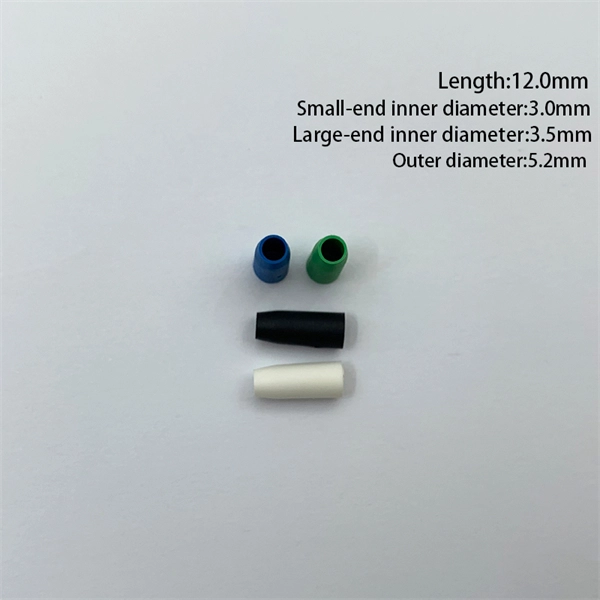
1: Use kevlar scissors to cut the cable at the middle. We'll splice the two pieces back together in an exercise and put new connectors on the bare ends in another exercise. Marcel Buijs, EMEA Business Development, Technical Sales, Fiber Optic Center, Inc. with over twenty-five years in the photonics industry, brings the latest information on making the ultimate fiber optic product and improving process yield. Without question, good stripping techniques in your fiber. Use the Wire Stripper/Splitter to strip a variety of fiber optic and coaxial cables up to 14 mm in diameter. This stripping tool provides a comfortable and secure grip to help make the fiber stripping process easy and efficient. In our continuing discussion of installing FO cables, let's use a step-by-step approach in detailing how to strip and clean indoor and. An Optical Fiber Stripper is arguably the most fundamental hand tool for any technician working with fiber optic networks. In an industry where precision is not just a goal but a requirement, the quality of your stripping tool directly impacts signal integrity, network reliability, and overall. Optical fibers are typically protected with fiber coatings made from polymers such as acrylate, silicone or polyimide. For splicing, connectorization or other processing, these coatings must be removed. Fiber strippers are precision tools that reliably and cleanly remove a defined length of coating. Safety Rules - Read before beginning any exercises.
[PDF]

Gcabling, as a professional expert with 15+ years of experience in fibre cable manufacturing industry, has specially listed 10 best German fiber cable manufacturers to help you source the best quality fiber optic cables. In this article, we will explore some of the top fiber optic cable manufacturers in Germany, highlighting their strengths, key products, and commitment to innovation. Teleglas GmbH Company Profile: Teleglas GmbH is a German company specializing in the production and distribution of fiber optic. The company offers a range of Fiber Optic Cable products, emphasizing the importance of selecting the appropriate region to ensure availability. Fibre2EU GmbH specializes in the manufacturing of fiber optic cables, including outdoor cables. But it's a bit difficult to find the best one among them. The leading. Trade, Development & Production of High-Quality Cables, Wires, and Cable Accessories When it comes to cables, think Weydemeyer - for over 100 years. Since its founding in 1923, Weydemeyer GmbH. Continue reading to learn more about the top fiber optic.
[PDF]

Typical rates range from $0. 00 per ft depending on terrain, access, and required precision for termination. Basic — 1,000 ft single-mode run indoors with minimal termination: Cable $0. 00/ft, Permits $150, Accessories $100. Total ≈. Fiber-optic cable materials typically cost $1 to $6 per linear foot, depending on fiber count and cable type. Commercial building installations with 100-200 network drops generally range from $15,000 to $30,000. Single-mode fiber costs less per foot than multimode fiber, but it requires more. Packaging should be the same as what is found in a retail store, unless the item is handmade or was packaged by the manufacturer in non-retail packaging, such as an unprinted box or plastic bag. See the seller's listing for full details. 43FedEx Ground or FedEx Home Delivery®. See detailsfor. The unit cost of fiber optic cables can vary from $0. Here's a general pricing reference: Cable TypePrice Range (USD/meter)Simplex / Duplex Indoor Cable$0. 50Multimode (OM1/OM2/OM3)$0. Main cost drivers include cable grade (indoor vs outdoor, armoured), distance, and labor for trenching, splicing, and termination. Custom-built. Uses item details. Price when purchased online Shop for Optical Audio Cables in TV Accessories. Buy products such as VANAUX Optical Audio Cable, TOSLINK S/PDIF Digital Optic Cord, Fiber Audio Cable, Gold-Plated, Nylon Braided for Home Theater, Sound Bar, TV, PS4, Xbox, PlayStation (10ft/3m) at.
[PDF]

Spiral optical cables are a type of fiber optic cable that is used for a variety of applications, including telecommunications, medical equipment, and industrial automation. They are designed to have a spiral shape, which makes them highly flexible and easy to install in tight spaces. It consists of several optical fibers bundled together, often encased in a flexible, spiral-shaped cord. This design enhances flexibility and allows for easier. Cable containing up to 6 optical fibers in spiral stainless steel tube, optical fibers reinforced with water blocking aramid yarns and sheathed in a flame retardant Low Smoke Zero Halogen compound. Indoor/Outdoor cable is designed for internal or outdoor use primarily in structured wiring systems. There are different types of fiber optic cables because each type is optimized for specific applications that have unique requirements for bandwidth, transmission distance, and environmental factors. The choice of fiber optic cable depends on the specific needs of the application, as well as the. The spiral steel tube armor provides tactical fiber cable extra protection for field operations and complex environments. Preterminated cable available. This indoor armored tactical fiber has both aramid yarn and spiral steel tube for strength member, which is perfect for anti-rat application.
[PDF]
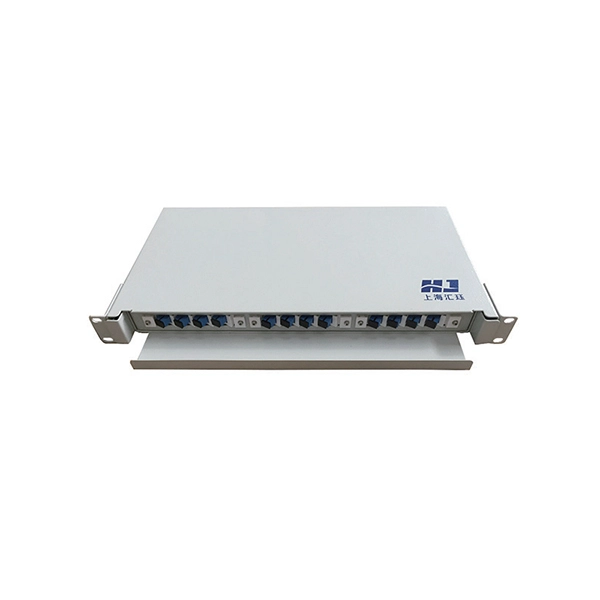
The zero-buoyancy rov cable was born as a power connection and control of underwater robot equipment, as well as signal transmission and feedback link cable applications. The zero-buoyancy cable has been tested by the market and practice due to its excellent. The global underwater zero buoyancy cable market is experiencing robust growth, driven by the expanding offshore energy sector, increasing demand for subsea infrastructure development, and advancements in underwater communication technologies. Linden Photonics is renowned for its innovative fiber-optic solutions, specifically designed for Remote Operated Vehicles (ROVs). These ROV tethers are crucial in underwater applications, offering high performance, durability, and reliability in challenging environments. For use with ROV's (Remote.. Customizable neutral buoyancy fiber optic power cable for ROVs and underwater drones. High‑performance hybrid design combining power and data in one composite cable. Engineered for seawater resistance, flexibility and subsea reliability. Suitable for inspection systems, subsea cameras and. At Invocean, we understand the increasing demands and the critical nature of Remotely Operated Vehicles (ROVs) in various industries such as underwater construction, surveillance, salvage, and scientific research. To support these high-performance tasks, ROVs and Micro-ROV's require reliable.
[PDF]
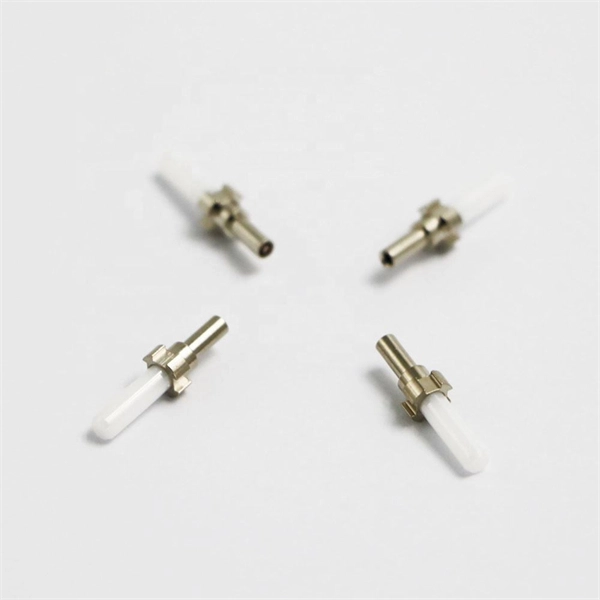
The operation and skills of fiber optic fusion splicing technology can be mainly divided into five steps: fiber stripping, fiber cutting, fiber melting, fiber sleeve, and fiber winding. In this guide, we cover the basics of fiber optic splicing, how to perform splicing using two different methods, and finally some best practices to perform good fiber splicing. What is Fiber Optic Splicing and Why is it Needed? – #1. And tools used for fiber fusion: fusion splicer; fiber cleaver; cable stripper; fiber optic stripper; alcohol;. Splicing fiber optic cable is an extremely important phase for making dependable, high-speed communication infrastructures. Regardless of the type of fiber network you're deploying, be it for telecom, enterprise data centers, or smart city infrastructure, fusion splicing provides the benefits of. While a cut or damaged fiber optic cable can temporarily take your network down, it is possible to quickly fix the cable with the right tools. In this video, we walk through the essential steps of preparing and splicing a fiber optic cable. Watch the complete process, from carefully stripping the fiber coating and performing a precision cleave, to loading the prepared fiber into the fusion splicer for a perfect alignment. Before jumping into the physical steps, it's important to understand the two primary methods of fiber splicing: fusion splicing and.
[PDF]
