TendersOnTime, the best online tenders portal, provides latest Namibia Optical Fibre tenders, RFP, Bids and eprocurement notices from various states and counties in Namibia. Thank you for visiting Swanib Namibia! To find the solution for your electrical needs, visit our Products or Services page. Swanib Cables, a distributor of electric cables, transformers and fibre optic cables to the Namibian mining, utilities / infrastructure and telecom sectors has been a market. Within the team, a combined 31 years' experience in Construction, Civils, and Fibre Optics. com offers an unmatched database of Optical Fibre Cables tenders from Namibia, more than any other platform. Daily, new procurement. Use this hollow-core fibers buying guide to compare major types, define selection criteria, and find suppliers: Professional purchasing of high-value photonics products is a substantial responsibility, where a structured decision-making process is essential. RP Photonics offers a lot of help: Get. Oryx Fibre Infrastructure is an open access fibre optic network provider in Namibia that owns and operates long distance (backhaul and long haul) fibre infrastructure. We own our secure transmission and backbone fibre infrastructure and provide connectivity services to telecommunications operators.
[PDF]
24 Core GYTC8S Fiber Optic Cable Armor Stranded Loose Tube Steel Wire Strength Waterproof Figure 8 Self Supporting Outdoor GYTC8S cable, single-mode/multimode fibers are positioned in the loose tubes, which are made of high modulus plastic, while the loose tubes strand together around. 24 Core GYTC8S Fiber Optic Cable Armor Stranded Loose Tube Steel Wire Strength Waterproof Figure 8 Self Supporting Outdoor GYTC8S cable, single-mode/multimode fibers are positioned in the loose tubes, which are made of high modulus plastic, while the loose tubes strand together around. Corning ALTOS® figure-8 gel-free cables are self-supporting aerial cables designed for easy and economical one-step installation. The loose tube design provides stable performance over a wide temperature range and is compatible with any telecommunications-grade optical fiber. The gel-free design is. 24 Core GYTC8S Fiber Optic Cable Armor Stranded Loose Tube Steel Wire Strength Waterproof Figure 8 Self Supporting Outdoor GYTC8S is a typical self supporting outdoor fiber optic cable, suitable for aerial applications; The cable have nice moisture resistance performance and crush resistance. The fibers, 250µm, are positioned in a loose tube made of a high modulus plastic. The tubes are filled with a water-resistant filling compound. A steel wire locates in the center of core as a metallic strength member.
[PDF]

Recommendation ITU-T L. 101 describes characteristics, construction and test methods of optical fibre cables for buried application. 0, in February 2016. The short answer, based on general industry standards and the National Electrical Code (NEC), is that fiber optic cable is typically buried between 24 inches (60 cm) and 30 inches (76 cm) deep. However, simply hitting this depth isn't enough to guarantee your network survives. Factors like the. Underground fiber optic cable installation follows specific standards that govern burial depth, testing methods, installation techniques, and safety requirements. 5 is an article in the National Electrical Code that addresses requirements for underground electrical installations, including minimum cover requirements—the measurement used to determine the distance from the top of an underground cable or raceway to the finished grade. 5. Estimate minimum burial depth (cover) for underground electrical, fiber, and low-voltage cable runs using a practical, code-aware ruleset. Use this page to plan trench depth, compare conduit options, and prepare for inspection conversations. Use this calculator to estimate a minimum burial depth. Recommendation ITU-T L. This depth is generally considered the absolute shallowest for any telecommunications cable that is not placed.
[PDF]
Fiber counts from 12 to 864 fibers. 12 fibers are arranged in a ribbon, enabling fast mass fusion splicing. These cables feature steel-tape armor so that they can be installed directly into the ground without the u.
[PDF]

In this video we will learn how to configure cisco core switch active active using HSRP step by step. In this LAB we practice on creating vlan, distribute vlan to other switch in our network, creating interface vlan and assign IP address for layer 3 routing. Follow these simple best practices to set up a new network switch. Just like riding a bicycle, nobody's born knowing how to setup a network switch. And this process is a little more advanced than, say, setting up your home Internet or even a plug-and-play type switch. But, with the right guidance. Looking to configure a Cisco switch for the first time? If the answer is YES, you're in the right place. You're going to configure: SSH access with local AAA authentication. Here's a network diagram, so you can follow. When you deploy a new switch, it's important to configure it properly to ensure optimal performance, security, and functionality. It comes with an IOS. An IOS is a Cisco proprietary operating system. It allows you to configure, customize, and use Cisco devices as needed. It includes thousands of commands for various tasks. This tutorial explains essential. Although a Cisco switch is a much simpler network device compared with other devices (such as routers and firewalls for example), many people have difficulties to configure a Cisco Catalyst Switch. Configuring a Cisco switch is a fundamental task for network administrators, as it lays the groundwork for.
[PDF]

This document provides a detailed reference to the commands available for configuring and managing the S5130-HI series of switches. You'll find comprehensive information about fundamental commands for basic CLI operations, managing access control, and the file system. Page 4 Convention. Use the archive configuration command to manually save the current running configuration. The command saves the current running configuration with the specified filename (filename prefix + serial number) to the specified path. It also covers advanced topics. To create a user on an H3C switch, you can perform this operation through a web interface or SSH. Follow the commands below to create a user: Specify the user's access level. For instance, to grant the user full. H3C switch commands bear resemblance to Huawei switch commands but with subtle differences. They are commonly used, and most network configurations cannot be without these commands. Press Ctrl+Z to return to user view. command in user view terminates your connection to the device.
[PDF]
If you are responsible for cable management in a commercial or industrial setting, you know how important it is to keep your wiring organized and secure. Without an efficient cable management system, you coul.
[PDF]
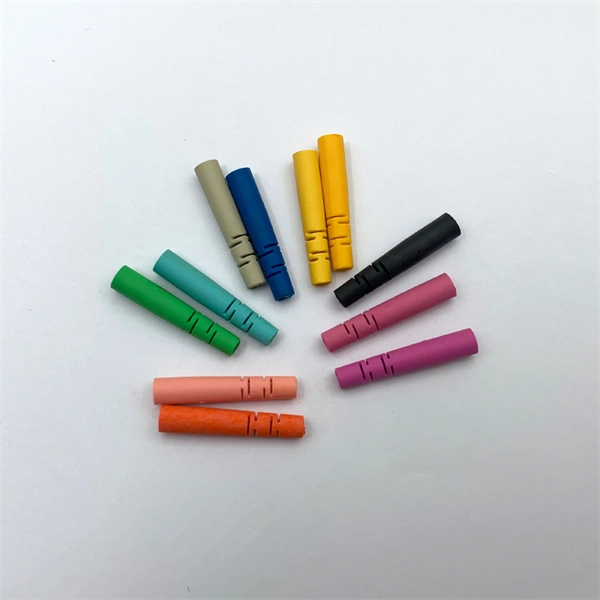
This precision cleaner quickly cleans the end faces of fiber optic connectors, while eliminating electrostatic charge, which can attract airborne contaminants to the end face. Talk to a knowledgeable OCC Expert that can find or customize a product to fit your specifications. . Chemtronics is the industry leader for fiber optic cleaning products, providing performance, convenience, time savings and cost savings. Cleaning fiber optic connectors is fast, easy and reliable with our highly engineered solvents, lint-free swabs, precision wipes, and cleaning platforms. AFL offers a complete selection of compact fiber optic cleaning kits for field cleaning of connector end-faces and splicer v-grooves. Fluke Networks Fiber Optic Cleaning Kits contain the best fiber optic cleaning tools and products to effectively remove the toughest contaminants in any optical fiber cable (OFC) network. 800-622-7711. Specialized Products provides a variety of optical fiber, end face and splice prep kits from leading fiber optics brands including Sticklers, Chemtronics, AFL and Fluke Networks. These kits are designed to include everything the fiber technician may need while working in the field.
[PDF]

Bury cables from 12-36 inches (or 30-90 cm) deep. Where plant life, sidewalks, and other utilities already disrupt earth, it's safer to bury at as little as 24 inches or 60 cm, using protective conduits to limit the likelihood of damaged cables by inexperienced maintenance or. Bury cables from 12-36 inches (or 30-90 cm) deep. These facilities are collectively known as communication infrastructure. Knowing the exact depth of these lines is paramount for anyone planning. The short answer, based on general industry standards and the National Electrical Code (NEC), is that fiber optic cable is typically buried between 24 inches (60 cm) and 30 inches (76 cm) deep. However, simply hitting this depth isn't enough to guarantee your network survives. This. The depth at which cable lines must be buried is governed by a combination of local, state, and national regulations, designed to ensure safety, prevent damage, and maintain infrastructure integrity. These laws typically specify minimum burial depths based on the type of cable (e. 5 meters, balancing protection with installation cost and accessibility. With fiber deployments accelerating in urban and rural areas, understanding these depths is essential for efficient planning and maintenance. In high-load areas such as roads or backbone routes, burial depth can reach 48 inches (120 cm) or more. For broader context on underground.
[PDF]

An armored fiber optic cable is a standard fiber cable wrapped in a protective outer layer, or “armor. ” This armor is designed to shield the delicate optical fibers from mechanical damage, moisture, and animal attacks. With a durable protective layer, they are ideal for harsh or high-traffic environments. This article explains what armored fiber cables are, their key. Executive Summary: Both armored and unarmored fiber optic cables transmit light signals at near-speed-of-light speeds. But when it comes to protecting your fiber optic network from rodents, construction damage, and harsh weather, the difference between these two cable types can mean the difference. Armored fiber cable is a fiber optic cable reinforced with additional protective layers to enhance its durability and resistance to external damage. The armor typically consists of. Armored fiber optic cable is a fiber core wrapped with a layer of protective “armor” (stainless steel armored tube) of the cable, this stainless steel armored tube can effectively protect the core from animal bites, moisture erosion or other damage. Optical fibers facilitate communication via optical signals with a speed surpassing other mediums.
[PDF]

Bury cables from 12-36 inches (or 30-90 cm) deep. Where plant life, sidewalks, and other utilities already disrupt earth, it's safer to bury at as little as 24 inches or 60 cm, using protective conduits to limit the likelihood of damaged cables by inexperienced maintenance or. Bury cables from 12-36 inches (or 30-90 cm) deep. However, simply hitting this depth isn't enough to guarantee your network survives. Factors like the. Requirements vary based on location, cable type, and local regulations, with depths typically ranging from 18 to 48 inches. Residential areas require depths between 24 and 36 inches for most installations. This protects cables from landscaping activities and minor excavation work. This. The question of how deep to bury fiber optic cable has no single answer, as the required depth changes significantly based on location, environment, and specific application. Industry standards and regulations, such as those often referenced in the National Electrical Code (NEC), establish a. Fiber optic cables are typically buried between 12 and 36 inches (30–90 cm), depending on installation environment, soil conditions, and load requirements. In high-load areas such as roads or backbone routes, burial depth can reach 48 inches (120 cm) or more. This guide provides a comprehensive overview of industry.
[PDF]

Check CORE SWITCH price from the latest Cisco price list 2022. Core switches are the way toward the Network segment in the sense of managing the high-speed information flow and maintain the connectivity of the multiple network segments. Scalable Intelligent AMX switch Be the first!Command output number of the number of switches against its better performance. A core switch is a high-performance network device positioned at the heart of enterprise and service provider networks. Built for performance, scalability, and resilience, these switches form the backbone of modern network. The market is segmented into core, distribution, and access switches, with core switches playing a pivotal role in managing high network traffic volumes and ensuring seamless connectivity within large-scale networks like data centers and enterprise environments 3 5. The market is projected to. Aggregation switch for small and medium-sized campus networks, with 8 x 1GE/10GE SFP+ uplink ports for high-speed data transmission; 24 x 10/100/1000BASE-T ports, providing high-speed network experience for short-distance services. Core switch for small and medium-sized enterprise networks, with. What are Cisco's Hot Products? Join An IT Community Designed to Foster Business Growth. Maximize Budget, Ensure Timely Delivery C220 and C240 M7 Chassis Intrusion Switch.
[PDF]
A simple rule is that each device needs two cores—one for sending and one for receiving data. Start by counting how many devices you're connecting. For example, if you have 10 devices, you'll need at least 20 cores. This guide walks you through the simple decision steps engineers use, the common strand counts on the market, and clear rules-of-thumb for different project types so you choose a cable that fits both today's needs and tomorrow's growth. Begin by listing what the network must support now and in five. Fiber optic cables are the backbone of modern communication systems, offering high-speed data transmission over long distances with minimal loss. One key factor is the number of cores, which impacts how much data you can transmit. This post will guide you through understanding fiber optic cores and selecting the perfect cable for. The number of optical cores in an optical fiber is the total number of equipment interfaces multiplied by 2, plus 10% to 20% of the spare quantity, and if the communication mode of the equipment has serial communication and equipment multiplexing, you can reduce the number of cores. The number of. Fiber core count defines the maximum number of optical terminations or distribution points that a fiber enclosure can support. Understanding this fundamental aspect can help you.
[PDF]