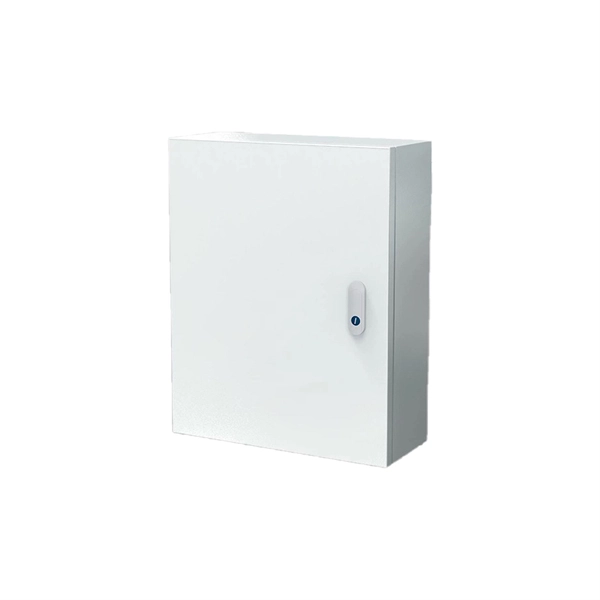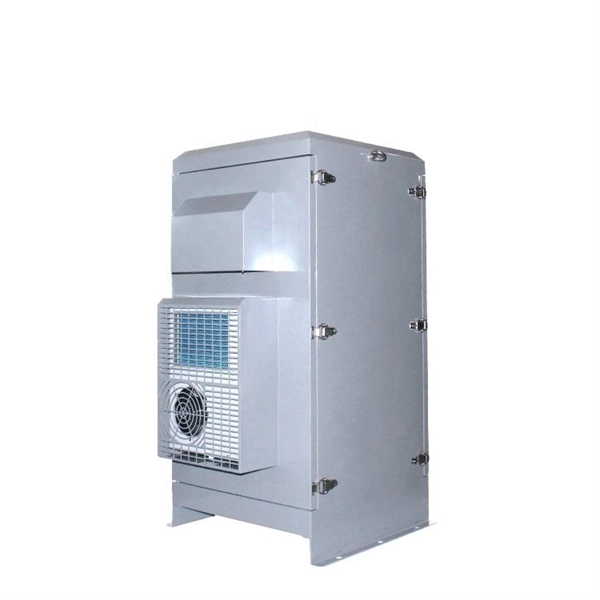
The main types of network security devices include firewalls, intrusion protection systems (IPS), unified threat management (UTM) systems, network access control (NAC), email security gateways, web application firewalls (WAF), and VPN gateways. Network security involves tools, techniques, and policies to protect digital assets from unauthorized access and cyber threats. It combines hardware, software, and expert resources to ensure network integrity and prevent breaches. A key strategy in network security is the multi-layered defense. Network Security devices are typically physical or virtualized hardware appliances, with vendor specific software installed. Firewalls Firewalls act as the first line of defense in network security. These devices act as barriers between the internal network and potential threats from the outside world. Whether you're a business owner or an IT professional, understanding the. A Growing Attack Surface: Every connected device; laptops, servers, IoT devices, peripherals, and physical access points represents an entry vector attackers can exploit. Diverse Threat Actors: From opportunistic hackers and organized crime groups to nation-state actors and insider threats. Network security devices are essential for protecting your network from cyber threats.
[PDF]

Run a ground wire from your metal patch panel rack to the grounding bar, use grounding lugs on the rack. Probably not necessary, but use Noalox between the lug and the rack. Remove paint if you want to go all in. Install and ground coax grounding blocks for your antenna. A Cat6 shielded patch panel is a modular component that connects and organizes multiple Ethernet cables in a central location. Unlike unshielded panels, shielded patch panels feature a conductive metal body and a grounding terminal to block EMI and maintain network integrity. GYA's shielded patch. A patch panel is a hardware device used to organize and manage network cable connections, helping to keep network wiring neat and efficient. Based on the shielding type, Cat6 copper patch panels are categorized into two types: shielded and unshielded. The rack itself is then bonded to the Secondary Busbar (SBB) of the telecommunications room. This. Correct STP grounding turns shielding into real EMI protection. This guide shows how to maintain drain‑wire continuity, bond safely at the equipment side, avoid ground loops, and validate results with simple tests. Cabling is cat5e UTP for data and phone. Coax is RG6 with 2 seperate runs, one for commercial tv provider, other for an attic mounted antenna that I'd like to eventually move to the roof. Is there a requirement (USA NEC) to.
[PDF]
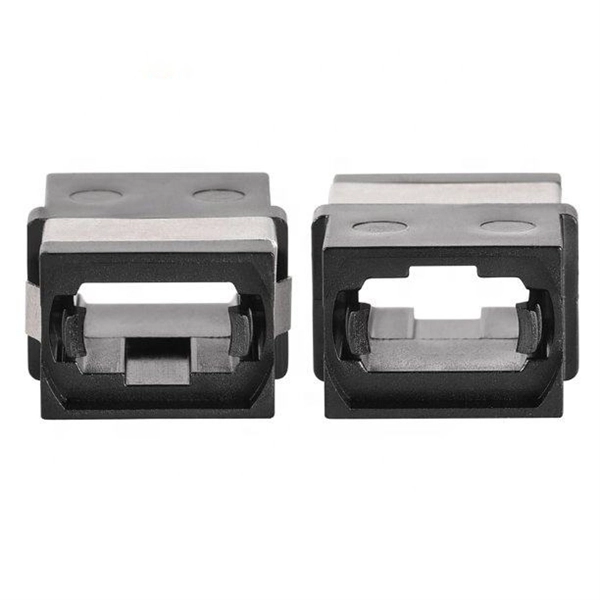
Fiber optic couplers, also known as fiber optic splitters, are devices used to split or combine optical signals in fiber optic networks. They play a crucial role in various applications, such as telecommunications, data centers, and fiber-to-the-home (FTTH) installations. Whether you're planning an FTTH deployment, upgrading a data center, or working in telecom infrastructure, this guide will help you make informed decisions when choosing fiber connectors. What Are Fiber Connectors? What Are Fiber Connectors? A fiber optic connector is a mechanical device used to. This tab provides a brief explanation of how we determine several key specifications for our 1x2 couplers. In this comprehensive. Fiber optic coupler is one type of fiber optic component that allows for the redistribution of optical signals. A fiber optic coupler is a device that can distribute the optical signal. Fiber optic couplers are a critical element in the landscape of modern telecommunications and data networks. This article explores the function, types, and applications of fiber. Compared to Copper cables, Fiber connector types are incredibly varied. Where copper twisted pairs tend to terminate with an RJ45 plug, fiber optic connectors come in all sorts of shapes and sizes, with all manner of different use cases in mind.
[PDF]
GPON uses passive optical network (PON) is a access in which a single optical fiber from a central location is shared by multiple end users through one or more in series (cascaded). Unlike traditional fiber connections, PON systems distribute optical signals from an (OLT) to many (ONUs) or (ONTs) without requiring active electronic equipment in the distribution network. The absenc.
[PDF]

The use of locking cabinets with advanced steel and tamper-resistant designs utilizes physical barriers to limit access to sensitive materials, making them harder to reach for unauthorized individuals. This pressure can cause the gap below server cabinets, which is often 2” or more, to become an air stream between hot and cold aisles. The resulting mix of air reduces the effectiveness of a containment solution. The Cool Shield Magnetic Cabinet Skirt provides an easy fix for this issue. These. Commercial environments have evolved as technology advances, and having a robust cabling infrastructure is crucial for scalability, minimising downtime, and enhancing productivity. Educational institutions are increasingly adopting smart technologies and cloud-based resources, so the foundation of. Many network devices are stored in the cabinets. In order to meet the normal operation of these devices in the cabinets, when the computer room cabinets are full of various cabinets and devices, we need to consider how to place the network cabinets? 1. Network cabinet placement skills (1) Before. A network cabinet is defined as a physically enclosed compartment built to store networking gadgets like patch panels, modems, switches, and a multitude of cables. Network cabinets support large, modular network switches by providing additional space for cable management and side-to-side airflow solutions. Networking cabinets tend to have.
[PDF]
The Open Systems Interconnection (OSI) model is a developed by the (ISO) that "provides a common basis for the coordination of standards development for the purpose of systems interconnection." In the OSI reference model, the components of a communication system are disting.
[PDF]

Key components of a Passive Optical Network include the Optical Line Terminal (OLT), Optical Network Unit (ONU) or Optical Network Terminal (ONT), Optical Distribution Network (ODN), and Optical Splitters. An OLT is a device used to interface between the service provider's central. The designation “passive” separates these components from active devices, such as lasers, amplifiers, or switches, which rely on electrical power to boost, regenerate, or electronically route a signal. Passive components operate solely by exploiting the fundamental physical properties of light. PON primarily utilizes a point-to-multipoint topology and fiber optical splitters to transmit data from a single point of transmission to multiple user endpoints. The key advantages of PON lie in its ability to offer remote, high-bandwidth, and efficient network connections. Key components of a. Some of the most common optical passive components include optical couplers, optical splitters, optical filters, optical connectors, optical attenuators, optical circulators, optical isolators, optical switches, and optical add/drop multiplexers. A. A device in a passive optical network is something that the transceiver transmits information through, like a modem that sends information through fiber-to-the-home. By eliminating powered components between the service.
[PDF]

The document discusses optical detectors used in fiber optic communications systems. It describes the functioning of PIN photodetectors and avalanche photodetectors (APDs). Their performance. An optital detector is a device that converts light signals into electrical signals, which can then be amplified and processed. Such detectors are one of the most important components of an optical fiber communcation system and dictate the performance of a fiber optic communication link. PIN Photodiode A PIN photodiode is a widely. Detectors perform the opposite function of light emitters. The most common detector is the semiconductor photodiode, which produces current in response to. It explains how these devices use optical fibers to measure quantities like temperature, mechanical strain, pressure, and vibrations by detecting changes in light propagating through the fiber. A central focus is on sensors based on fiber Bragg gratings, where the Bragg wavelength is sensitive to. Optical Power Meters: These devices measure the power of optical signals in fiber optic cables. This information helps in maintaining signal integrity and quality across the.
[PDF]
Start by separating your Ethernet cable into two separate cables and connecting them to the back of the Ethernet cable splitter. Once the cables are securely connected, connect the other ends to your desired devices. Ensure that the cables are tightly secure and that all connections. When you need to connect multiple wired devices like computers, printers, and IP phones, but only have one Ethernet wall port, using an Ethernet splitter or network switch can expand your connectivity without rewiring. This guide explains your options and helps you choose the best solution for your. An Ethernet splitter is a small device that allows two Ethernet-connected devices to share a single cable run. It does not increase speed or create extra bandwidth. It simply divides signal pairs. This tool works best in basic setups where running another cable is not possible. An Ethernet splitter. Ethernet cable splitter wiring diagrams are essential for anyone who needs to connect multiple devices in a home or office network. With the ever-increasing popularity of high-speed internet and streaming services, providing reliable connections to multiple devices is becoming increasingly. An Ethernet splitter doesn't actually split a single Ethernet connection to provide separate internet access to two devices. Instead, it utilizes only two of the four pairs of wires within a single Ethernet cable to connect two devices, requiring two splitters for the setup to function correctly.
[PDF]
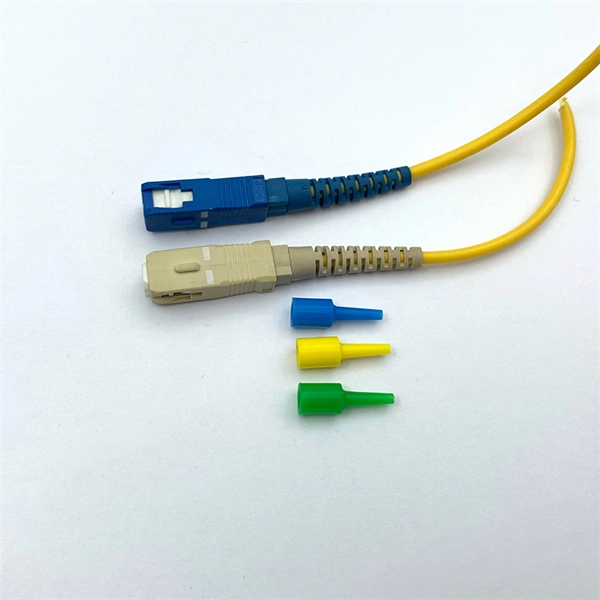
An optics expert explains how thin strands of glass that transmit light make modern telecommunications possible. Fiber-optic communication is a form of optical communication for transmitting information from one place to another by sending pulses of infrared or visible light through an optical fiber. The light is a form of carrier wave that is modulated to carry information. The fiber which is used for optical communication is waveguides made of. Understanding Fiber Optic Communication System: Working, Components, and Advantages The need for fast, high-capacity data transmission is on the rise, thanks to 5G technology, cloud computing, and a growing number of data-intensive applications. Thin strands of glass bundled in cables and stretched across continents and oceans make possible much of what we take for granted today, such as the Internet, Zoom calls, electronic. Fibers commonly used in optical communication are single mode and GI. Figure 4: Examples of light transmission through different optical fiber types Table 1. Optical Fiber Characteristics and Applications Optical signal rate attenuation as it passes through quartz fiber varies depending on a. Fiber optics is also the basis of the fiberscopes used in examining internal parts of the body (endoscopy) or inspecting the interiors of manufactured structural products. The basic medium of fiber optics is a hair-thin fiber that is.
[PDF]

As Armenia transitions to renewable energy (15% of its power already comes from solar!), these cabinets act like Swiss Army knives for electricity—versatile, compact, and ready for action. Here in Triangle Connected Technologies we do Electrical Engineering and consulting. We are a systems integration company that provides exceptioanal solutions for your needs. We are expertise in Electrical, Low Current Systems and KNX Smart Home automation systems design, supply, installation and. Who makes energy storage enclosures?Machan offers comprehensive solutions for the manufacture of energy storage enclosures. We have extensive manufacturing experience covering services such as battery enclosures, grid energy storage systems, server cabinets and other sheet metal enclosure OEM. transforming Armenia"s energy landscape. But instead of unloading goods, it stores nough energy to power 300 homes for utdoor Cabinet Type Energy Storage System. The outdoor cabinet energy storage system, is a compact. This scenario explains why the smart energy storage cabinet solution is becoming the talk of Yerevan's tech circles. Cooperate with solar panels to form an. Huijue Group"s Industrial and commercial distributed energy storage, with independent control and management of single cabinets, has functions such as peak shaving Lithium Battery Energy Storage Cabinet. Energy Storage System. :-20°C~ 60°C.
[PDF]

See this topic to learn how to remove and install a door. Unlock and open the door. Removing a door Hold the door in place, and lift both hinge pins until they lock in the open position so that the door is disengaged. Remove the door from the rack cabinet frame. Install. Before installing your server in a rack cabinet, review the following guidelines: Two or more people are required to install the device in a rack cabinet. Ensure that the room air temperature is below 35°C (95°F). Do not block any air vents; usually 15 cm (6 in. ) of space provides proper airflow. In this comprehensive guide, we will walk you through the step-by-step process to ensure a successful installation and setup of your network cabinet system. Key steps include measuring the installation area, mounting rails, organizing cables, and testing stability. Proper grounding and compliance with safety. Page 3 M3. Click Side Panels (E) into place. To install the Tempered Glass Door (G), locate the side with two pins. With your thumb, pull down on the spring pin and slide it. Complete Assembly Procedure for 9U Wall Mounted Network Cabinet (Double Section) How to assemble a double section wall mounted network cabinet server rack? 1, Insert top and bottom panels into the side frames. And fixed the frame on the front door position with 4 M5*8 self-tapping screws.
[PDF]
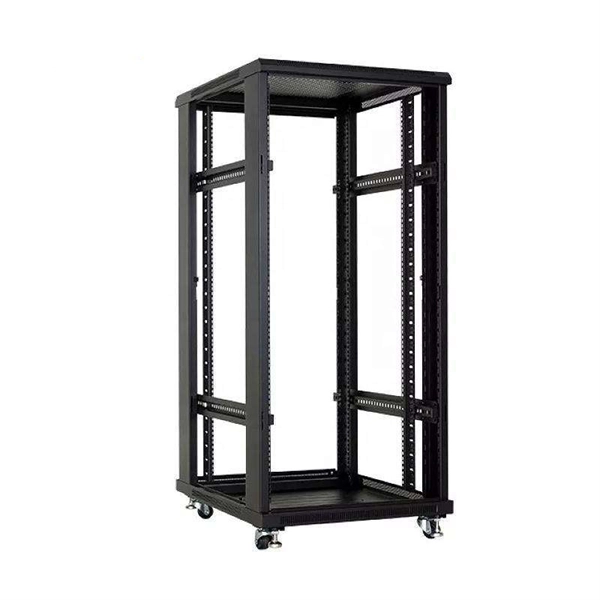
A 24-port patch panel is a networking device that allows for the organization and management of incoming and outgoing network connections. It acts as an interface between different devices such as computers, switches, and routers, allowing for easy connectivity and communication. This guide explains how to use a 24-port patch panel to manage copper and fiber cabling in a small LAN, how to choose between different patch panel types, how to design your cabinet layout, and why a patch panel is still irreplaceable in 2026. What is a Patch Panel and Why it Matters in 2026? A. Choosing a 24-port patch panel is crucial for efficiency. Learn how it enhances network capabilities. Typically, patch panels are available in a huge number of port densities from 12. In this article, we will define what a patch panel 24 port is, explain its purpose, and discuss why it is a crucial component in organising network cables. A patch panel 24 port is a device used in network cabling to connect and organise multiple network cables in one central location. It is a. Choose a 24-port patch panel when you care about clean labeling, comfortable “finger room,” and fast moves/adds/changes—especially if technicians touch the rack often and you want straightforward port-to-port mapping (Panel 01–24 ↔ Switch 01–24). Choose based on port density, cabinet space.
[PDF]