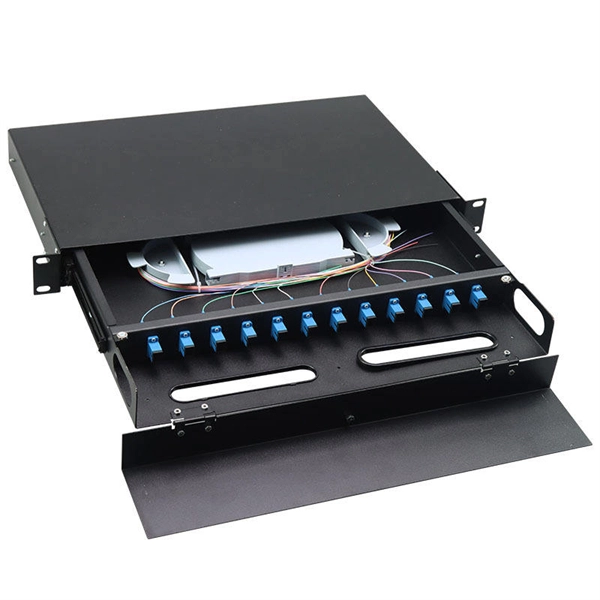
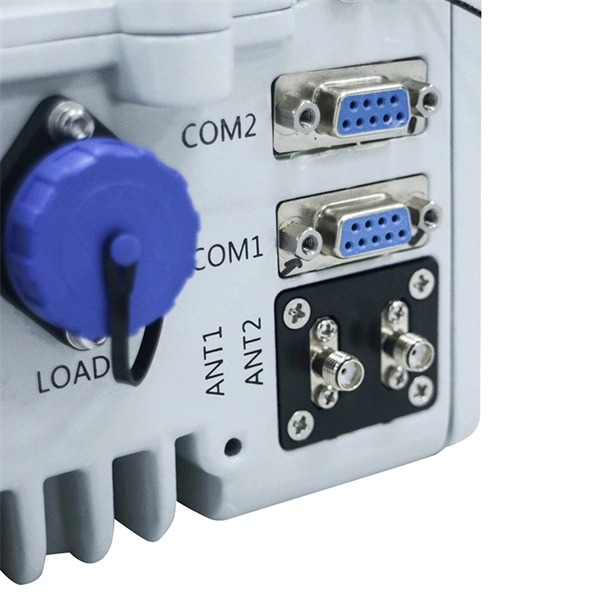
The hot and cold aisles in the data center are part of an energy-efficient layout for server racksand other computing equipment. The goal of a hot/cold aisle configuration is to manage airflow in a way that c.
[PDF]
The SmartAisle offering optimizes infrastructure deployment and management with an intelligent row-based system that integrates data center racks, power, row cooling, aisle containment, monitoring and control technologies for spaces with up to 40 racks. The Swedish market for Cold Aisle Containment (CAC) systems represents a critical and sophisticated segment within the nation's broader data center infrastructure landscape. Characterized by a strong emphasis on energy efficiency, sustainability, and technological innovation, the market is driven. Ardmac have developed a range of Ground Supported (GS) and Ceiling Supported (CS) assemblies catering to an array of different modular clean rooms and off-site construction industry requirements including data centre design and data centre construction. Structural ceiling grids support the. Complete aisle containment solutions and cooling systems for hot and cold air separation. Optimizing the air flow in your POD and data center has several benefits, including reducing energy costs and improving efficiency. It maximizes the system's efficiency, minimizes its power consumption, and reduces its footprint, making it the perfect solution for medium- to. To increase the "Energy Efficiency" and manage the "Physical Security & Access Control" in data center environments, KabinPLUS offers Data Center Aisle and Containment Solutions.
[PDF]

Two solutions use containment of the cold aisle, while the third is based on hot aisle containment. Intake air (cold) and waste air (hot) are unable to mix. It is possible to operate at a higher temperature level through-out the entire system. Cold aisle containment creates an enclosed corridor in front of server cabinets, ensuring that the coldest air goes directly into equipment intakes. By isolating the cold aisle, containment reduces unintended mixing of cold supply air with hot exhaust air, maintaining uniform, predictable. An aisle containment system is a simple way to improve cooling efficiency in hot aisle/cold aisle rack configurations. Essentially creating a room within the aisle, the system helps keep hot and cold air separated to make existing air conditioning systems in data center and edge-of-network. Traditional open aisle data centers use perimeter PAC (precision air conditioning) or CRAC (computer room air conditioning) units to channel cold air up through a raised floor void via grilles positioned in front of the IT cabinets. This has significant disadvantages as there is no separation. Aisle containment is a critical airflow management strategy that separates cold supply air from hot exhaust air within a data center. An enormous amount of energy is used every day to maintain an acceptable intake.
[PDF]

The IDC Indus smart/connected device module works using a low cost 868 proprietary network and can be adapted for new and emerging standards such as LoRa. It is suitable for use in domestic, office and industrial environments. The iPDU-MC series rack iPDU is designed to suit the operational requirements of next-generation datacenters. iPDU-MC series iPDUs. Clients can benefit from our IoT expertise by using our proven, ready-made IoT modules to save development time, cost and risk. We stock a large selection of IDC Connectors, including new and most popular products from the world's top manufacturers including: TE Connectivity / Partner Stock, TE Connectivity - Amp, 3M, Amphenol Communications Solutions & Wurth Elektronik. The Euro Module range from British General allows you to build your own configuration from a wide a variety of interchangeable modules plates and finishes. This black master telephone module uses an IDC terminal connection, and should be used where your telephone line enters your property. If you. 1. A range of IDC connection modules from TUK that are fully compatible with Commscope (Krone) LSA-Plus and other similar designs. The Cat6 outlet supports data transfer speeds of up to 10Gbps at 250MHz.
[PDF]

TRAX hot aisle / cold aisle data center curtains are the industry leading low cost containment solutions. Increase cooling efficiency while measurably lowering energy costs with data center containment solutions by TRAX. Click the button bellow to request a quote or call us directly. Our Fiber Cable Tray System is a comprehensive raceway solution for data center, enterprise, central office, and mobile switching center applications. Designed to route and protect fiber optic and high-performance copper cabling to and from network cabinets, distribution frames, and other terminal. Cable tray is a raceway system designed to protect and route fiber optic patch cords, multi-fiber cable assemblies and intrafacility fiber cable to and from fiber splice enclosures, fiber distribution frames and fiber optic terminal devices AZE offers a variety of styles, materials and finishes. TRAX hot aisle / cold aisle data center curtains are the industry leading low cost containment solutions. Why choose. Topwell is a telecommunication products leading manufacturer specialized in producing optical cable trays, wire mesh cable trays, steel cable ladders, aluminum cable ladders, ladder type cable trays, through type cable chute, cable fixers, and all the accessories. We are located in the port city of. Our cable tray systems securely hold and protect cables and come in many models and sizes, solid bottom and ventilated.
[PDF]

Standard 19-inch Design: Fits standard server racks for efficient data center layout. High-Quality SPCC Cold Rolled Steel: Durable and resistant to corrosion for long-term use. Stock Availability: Quick delivery with 7-14 days lead time for immediate needs. This buying guide will help you understand the features of an aisle containment system, learn the important questions to ask before selecting a solution and compare different types of aisle containment kits. An aisle containment system is a simple way to improve cooling efficiency in hot aisle/cold. Product:Aisle Containment System with 19 Inch Data Center Rack Model No. :110306 Description:This Aisle Containment System with 19 Inch Data Center Rack is a modular row-based thermal containment solution,which separates cold and hot air from equipment to data center. It manages airflow at the. Freestanding, Rack-independent system with the flexibility to maximize efficiency and capacity from the core to the edge for raised floor and slab data centers. Adaptable to hot and cold aisle containment, the Vertiv Aisle Containment system allows you to deploy containment before or after racks. Starting with flexible, easily installed, adaptable and pre-configured customized server racks and network cabinets saves you costs, footprint and it increases the performance, efficiency, and reliability of your critical infrastructure. Customizable Solutions: Accepts OEM & ODM.
[PDF]

See this topic to learn how to remove and install a door. Unlock and open the door. Removing a door Hold the door in place, and lift both hinge pins until they lock in the open position so that the door is disengaged. Remove the door from the rack cabinet frame. Install. Before installing your server in a rack cabinet, review the following guidelines: Two or more people are required to install the device in a rack cabinet. Ensure that the room air temperature is below 35°C (95°F). Do not block any air vents; usually 15 cm (6 in. ) of space provides proper airflow. In this comprehensive guide, we will walk you through the step-by-step process to ensure a successful installation and setup of your network cabinet system. Key steps include measuring the installation area, mounting rails, organizing cables, and testing stability. Proper grounding and compliance with safety. Page 3 M3. Click Side Panels (E) into place. To install the Tempered Glass Door (G), locate the side with two pins. With your thumb, pull down on the spring pin and slide it. Complete Assembly Procedure for 9U Wall Mounted Network Cabinet (Double Section) How to assemble a double section wall mounted network cabinet server rack? 1, Insert top and bottom panels into the side frames. And fixed the frame on the front door position with 4 M5*8 self-tapping screws.
[PDF]
Dual door fiber enclosures provide our highest level of distribution panel security. They give you the option to separately lock the network and distribution doors for more control over panel access. The second doo.
[PDF]

A cold aisle is a cooling strategy where the fronts of server racks face each other, creating a dedicated pathway for cool air from the cooling systems to flow directly into the equipment. This configuration minimizes the mixing of hot and cold air, ensuring consistent airflow and. The hot aisle /cold aisle data center layout was originated by IBM in 1992 and it is one of the oldest ways to save energy in the data center. Cold. Hot aisle and cold aisle containment are foundational concepts in data center design. When implemented correctly, they improve efficiency, reduce energy consumption, extend equipment life, and enhance overall reliability. In this guide, we'll break down how hot aisle and cold aisle configurations. The segmentation of data centers and server rooms into alternating cold and hot aisles has been embraced globally over recent years. The cold and hot aisle arrangements in data centers are part of an energy-conservative layout for server racks and other information technology equipment. Containment. Why should the computer room design hot and cold aisles, design principles and how to construct? Why should the computer room design hot and cold aisles? Because the computer room uses the hot aisle and cold aisle to change the previous practice of placing the cabinets in the same direction in the. Hot and cold aisle containment is a proven strategy to optimize airflow, reduce energy costs, and improve cooling efficiency. Whether you need cold aisle.
[PDF]

Learn how to prep and bond a next-day concrete pour to repair a cold joint. This guide walks through practical surface prep, bonding methods, and timing so you can create a strong, durable joint. You'll gain actionable, plain-language steps and tips you can apply on real. Pre-Embedded Fiber Optic Fast Connector The pre-embedded fiber optic fast connector belongs to the pre-embedded optical fiber structure. In this design, a section of bare optical fiber is pre-inserted into a ceramic ferrule during the manufacturing process and is polished at the factory. When. We terminate fiber optic cable two ways - with connectors that can mate two fibers to create a temporary joint and/or connect the fiber to a piece of network gear or with splices which create a permanent joint between the two fibers. It adopts the pressing welding structure and the V groove alignment method to make installation more easier and stable to connect. The short screwed boot is designed for locking fiber and. 【FEATURES】This connector features of good repeatability, high return loss, stable and performance Easily installed. 【QUICK ASSEMBLY】SC connector can provide quick and easy termination of fibers in the field. 【 CASE】Integrated of the casing to withstand harsh environment. Identify cold. Next, let's talk in detail about the method of connecting SC cold connectors to the leather cable and the characteristics of the leather cable! 1.
[PDF]
The SmartAisle offering optimizes infrastructure deployment and management with an intelligent row-based system that integrates data center racks, power, row cooling, aisle containment, monitoring and control technologies for spaces with up to 40 racks. Virtiv APM UPS provides reliable, transformer-free, on-line, uninterrupted power, and KIRK key interlock system for safety. Flexible power distribution:MB Modular Busway is a flexible and more economical way to deliver power to the rack without the cost and hassle of power cable whips. Vertiv Virtual Showroom displays a range of. With multiple ways to configure for future expansion, power and cooling redundancy levels and emergency ventilation - SmartRow is a flexible solution to meet today's needs while being prepared for tomorrow's unknown. The SmartAisle infrastructure solution optimizes the deployment and management of. The Liebert Intelligent SmartAisle Containment Solution holds supply air in the cold aisle requiring the servers fans to pull the cold air through the server and into the hot aisle, thereby improving thermal efficiency. The SmartAisle infrastructure solution optimizes infrastructure deployment and.
[PDF]

These top 10 import items represented a significant 94. 5% of Costa Rica's total import value for 2025. When analyzing Costa Rica's customs records, it's evident that the. Electrical machinery and equipment and parts thereof; sound recorders and reproducers, television. Mineral fuels, mineral oils and products of their distillation; bituminous substances; mineral. Optical, photographic, cinematographic, measuring, checking, precision, medical or surgical. Custom engineered hot and cold aisle containment solutions that keep your data center running smoothly — and make your build-out be more efficient, too. The right aisle containment system can have a big impact on your data center's efficiency and the effectiveness of the equipment within it. Learn about the market conditions, opportunities, regulations, and business conditions in costa rica, prepared by at U. Embassies worldwide by Commerce Department, State Department and other U. agencies' professionals Costa Rican customs authority is organized as the Servicio Nacional de. Raw Ground, Comminuted, or Otherwise Non-intact Beef Beef - All Products Eligible except Advanced Meat Recovery Product (AMR); Beef Patty Product; Ground Beef; Hamburger; Low Temperature Rendered Product (LTRP); Partially Defatted Beef Fatty Tissue (PDBFT); Partially Defatted Chopped Beef (PDCB);. World Growth in percentage is 0. 17 and Costa Rica Country Growth is 6. Costa Rica, Imports of goods and services as percentage of GDP is 33.
[PDF]

Find 1U Fan Unit in Belgium. Buy 1U Fan Unit at the best price from Norden Communication, one of the leading manufacturers and suppliers of 1U Fan Unit in Belgium. ClarkDietrich U-Channel or Cold Rolled Channel (CRC) are one of the most common bridging methods used to provide resistance to stud rotation and minor axis bending under wind and axial loads. Enter a zipcode to see prices Already an account? Log in to see your prices U-shaped cold-rolled sections are long products of various shapes, and their section is obtained by cold rolling. They have good weldability and deformability which makes them a good choice for decorative purposes. Mint condition. Screws, box and power cable included. This item is sold As-Described and cannot be returned unless it arrives in a condition different from how it was described or photographed. For Europe, France, Belgium, Poland, Russia, Slovakia & Czechia. This model in the PDU16 series is a 1U distributor with ten switchable channels protected by an overload trip switch. Each numbered channel has a dedicated rocker switch with neon.
[PDF]