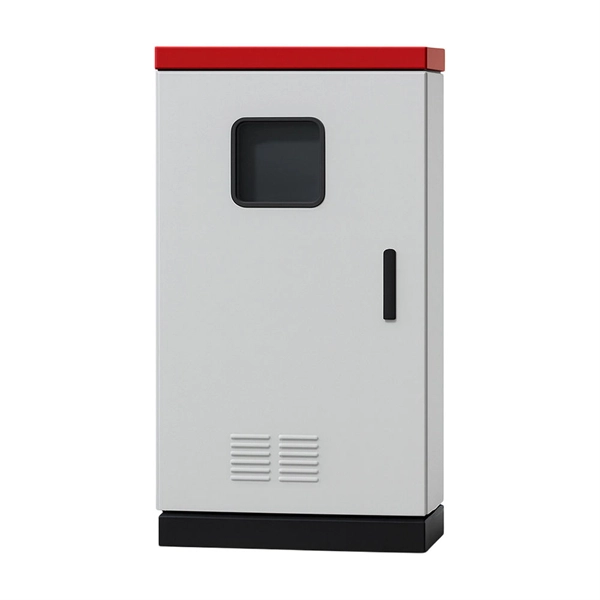
Data center rack enclosures must be 48U to maximize horizontal space. The preferred width is 24 inches with vendor neutral mounting rails that are fully adjustable and compatible with all EIA-310 Electrical Industry Alliance Standards compliant with 19” wide equipment. • Extended battery module increases runtime by hours. • PowerPass Distribution Module allows a step-down voltage to 120V to accommodate a variety of IT equipment. The PPDM also provides a maintenance bypass, which allows you to service or replace the entire UPS without powering down IT equipment. •. Proper installation of components in a data center server rack is crucial for optimal performance, efficient maintenance, and long-term reliability of your IT infrastructure. This guide provides detailed instructions and best practices for setting up various components in your data center racks. The purpose of the Data Center and Server Room Standards is to describe the minimum requirements for designing, installing, securing, monitoring, maintaining, protecting, and decommissioning a data center or server room at the University of Kansas. Choosing the right server rack involves understanding dimensions, weight capacity, cooling needs, and the type of rack, whether open or closed frame. Regular. There are three primary rack types - open-frame racks, enclosed cabinets, and wall-mount racks, each suited for different levels of security, cooling, and equipment density.
[PDF]
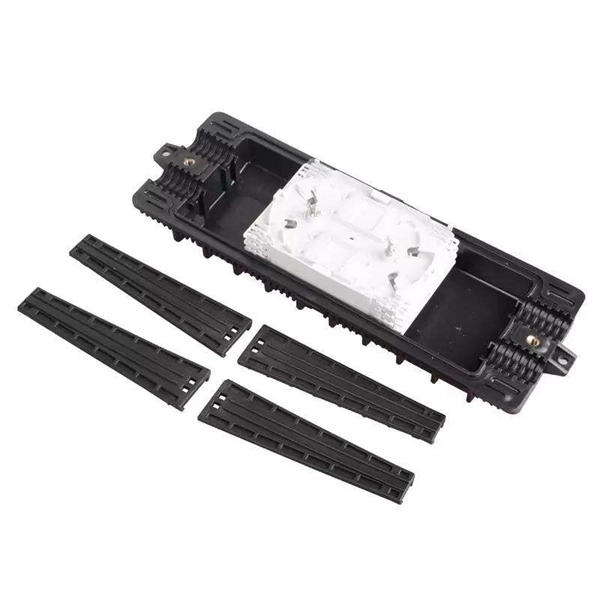
This comprehensive guide will delve into the most effective practices, key considerations, and strategic approaches for designing and implementing an efficient cabling system within a data center environment. At the core of data center connectivity are fiber optic cables, which are thin strands of plastic that transmit data using light signals or wavelengths, offering unparalleled speed and efficiency. The data superhighway paved by fiber optics forms the backbone of modern data centers, ensuring rapid. An end-to-end cabling system is an ideal solution for data centers especially when time for traditional cable installation and termination is limited. Explore advanced configurations, testing protocols, and industry best practices. As the demand for data surges, these switches become more vital in sustaining networks that are efficient, scalable, and. As data centers continue to grow in complexity and scale, efficient fiber optic cabling is essential for maintaining high performance, reliability, and scalability. Proper planning and implementation of cabling infrastructure can significantly reduce downtime, improve airflow, and ensure. center hardware layout design. This map should include the cabinet placements, patch panels, hardware, port-counts, trunking locations and power access connection points. Future plans for change will be discussed, as well as the bandwidth required. infrastructure design. The design's intent is to.
[PDF]
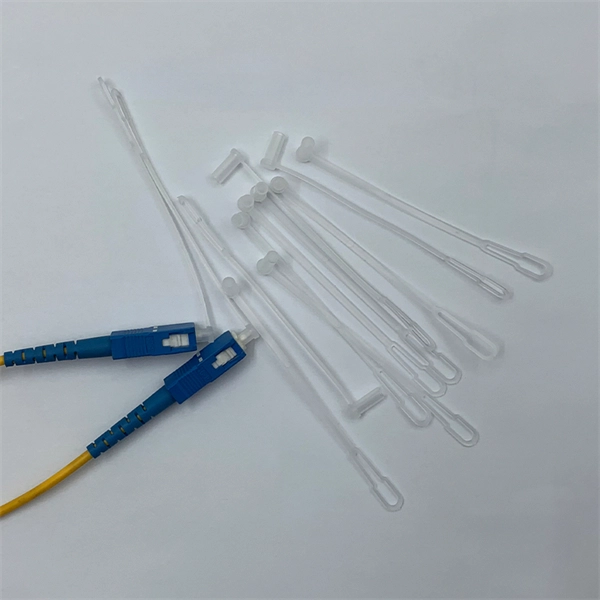
Just connect an Ethernet cable from the modem or ONT to the closest Ethernet jack, and then do the same with the router in the room where you want it (if an Ethernet jack is available, that is). The network switch connecting all your Ethernet cables should automatically pair. The process to connect fiber optic cable to router requires careful attention to detail, but I'll walk you through every critical step with the precision and clarity you deserve. This comprehensive guide combines industry standards with field-tested practices to ensure you achieve a rock-solid. Setting up an internet connection involves a complex journey, starting at the data centers where internet services are routed, and ending at subscribers' home routers. This process involves multiple fiber optic components, accessories, and networking equipment to ensure fast, reliable, and secure. However, setting up a fiber optic connection to your router can seem daunting if you're unfamiliar with the process. In this guide, we'll walk you through how to connect a fiber optic cable to a router safely and efficiently. The fiber. The primary advantage of using a wireless solution for connecting your upstairs floor to your network is that it may not require drilling holes. The simplest way to extend a Wi-Fi network is via a Wi-Fi repeater (range extender). Check compatibility: Before you begin, make sure your router supports fiber optic connection.
[PDF]

This is after the country's government signed an agreement that Liquid Intelligent Technologies will build one in the country. The agreement is part of an initiative to accelerate the country's digital transformation and provide reliable and affordable connectivity to all Zambians. To effectively undertake its mandate, the IDC has developed a five -year Corporate Strategic Plan. The Plan defines among other things, the IDC's Clients and their needs, the Vision, Mission, Goal, Objectives, Strategies and expected outcomes for the Corporation. You may be offline or with limited. We seek to provide an effective and efficient procurement service to the IDC and its stakeholders through procurement best practices and optimal resource management, in compliance with the IDC policies and relevant procurement regulatory framework. Zambians are set to have a new data center. This analysis aims to provide key insights into. ITWeb proudly displays the “FAIR” stamp of the Press Council of South Africa, indicating our commitment to adhere to the Code of Ethics for Print and online media which prescribes that our reportage is truthful, accurate and fair. Should you wish to lodge a complaint about our news coverage, please. ©2026 Government of the Republic of Zambia.
[PDF]
A data center is a facility used to house and associated components, such as and. Data centers are for the storage and processing of information, and they support the global financial system,, machine learning, and. Since are crucial for, a data center generally includes.
[PDF]

The mounting height of a network rack typically ranges from 24 inches to 84 inches (2 to 7 feet), depending on the equipment and installation requirements. A server rack is more than just a physical frame—it determines how well your rack servers, network switches, PDUs, and storage arrays can be organized, cooled, and maintained. Selecting the right rack size ensures not only compatibility with today's hardware but also room for future expansion. The. Common server rack sizes are 19‑inch width, heights like 42U or 48U, and depths from ~24″ to 48″. Choose size based on equipment type, cooling, space, and future growth. Most IT environments default to 42U, 19-inch width, and 1000–1200 mm depth unless space constraints or special equipment dictate. A rack unit, abbreviated as “U,” is the standard unit of measurement for the height of devices designed for rack mounting. One rack unit equals 1. Important: U describes height only, but a server's real "capabilities" are also determined by chassis depth, internal layout, airflow, rails, power, and expansion (PCIe/risers, NVMe. You'll get precise, vendor-agnostic dimensions for standard server rack sizes—including exact width (19″ internal / 24″ external), height (42U = 73. 5″), depth (24″–48″), and the universal 1U = 1. 75″ rule—plus how to verify usable space, avoid common fitment errors, and select based on equipment.
[PDF]

See this topic to learn how to remove and install a door. Unlock and open the door. Removing a door Hold the door in place, and lift both hinge pins until they lock in the open position so that the door is disengaged. Remove the door from the rack cabinet frame. Install. Before installing your server in a rack cabinet, review the following guidelines: Two or more people are required to install the device in a rack cabinet. Ensure that the room air temperature is below 35°C (95°F). Do not block any air vents; usually 15 cm (6 in. ) of space provides proper airflow. In this comprehensive guide, we will walk you through the step-by-step process to ensure a successful installation and setup of your network cabinet system. Key steps include measuring the installation area, mounting rails, organizing cables, and testing stability. Proper grounding and compliance with safety. Page 3 M3. Click Side Panels (E) into place. To install the Tempered Glass Door (G), locate the side with two pins. With your thumb, pull down on the spring pin and slide it. Complete Assembly Procedure for 9U Wall Mounted Network Cabinet (Double Section) How to assemble a double section wall mounted network cabinet server rack? 1, Insert top and bottom panels into the side frames. And fixed the frame on the front door position with 4 M5*8 self-tapping screws.
[PDF]
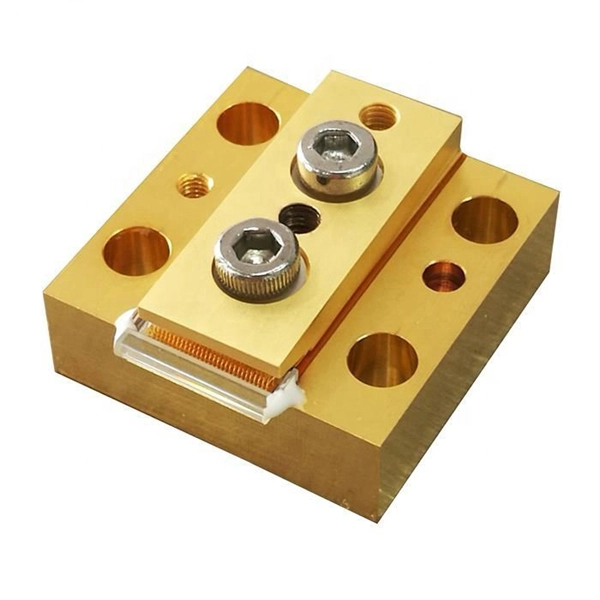
Discover APAR Gigavolt hybrid power and fibre cables that cut rollout time, simplify cable management and lower TCO for 5G, IoT and DAS networks. CommScope bundles hybrid cabling to your custom specifications, using our high-performance fiber-optic, unshielded twisted pair and coaxial cables. Buy Direct From The Online Leader in 10-Gigabit Rated Copper and Optical Cables. We always maintain high stocking levels of the. DuetConnect Hybrid Copper-Fiber Cables allow one cable to offer the advantages of DC power and fiber, safely delivering both over long distances to remote locations where standard power is unavailable or too costly to install. These cables integrate fiber optics for high-speed data transfer and copper conductors for power delivery. American Tech Supply is a telecommunications based national stocking distributor of Hybrid Fiber Optic Cables, Hybrid Fiber Cables, Hybrid Singlemode Fiber Optic Cable, Hybrid Multimode Fiber Optic Cable,singlemode fiber optic cable and multimode fiber o ptic cables ranging from 2 fiber to 264 576. Juniper offers a broad portfolio of high-performance and cost-effective optical and electrical cables in various form factors and speeds for data center and campus networks. A wide selection of breakout configurations enables network operators to split out to lower speeds of Ethernet, increase port.
[PDF]
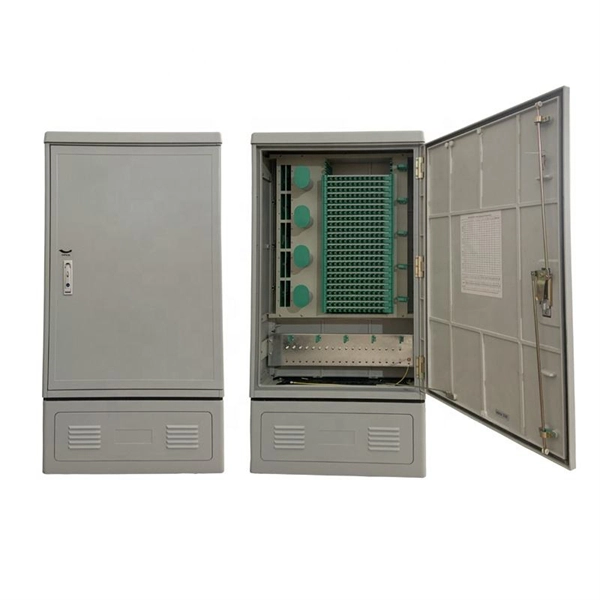
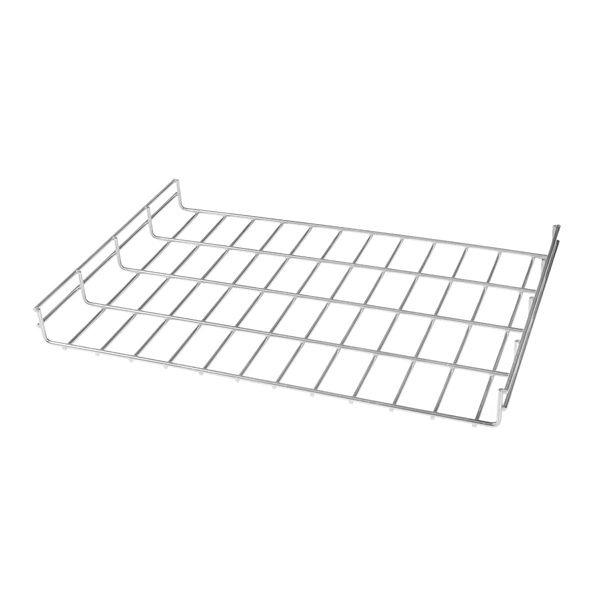
This cabling system organizes and manages fiber optic cables and copper cables through cable trays, patch panels, and structured cabling systems, enabling easy maintenance and scalability. Fiber and Cat6a can run together in shared trays when properly separated. Protect the fiber bend radius at all transition points. Avoid stacking heavy copper bundles on delicate fiber. Separate power cables from data cabling. Prevent tray overcrowding to maintain airflow. Wire mesh trays enhance. Data center cabling refers to the organized system of cables and related infrastructure to connect and manage the various components within a data center. This system ensures efficient data transmission and reliable connectivity in a data center environment. Structured cabling is a methodical. As data centers continue to grow in complexity and scale, efficient fiber optic cabling is essential for maintaining high performance, reliability, and scalability. Cabling not only supports current performance but also ensures future adaptability. Proper planning and implementation of cabling infrastructure can significantly reduce downtime, improve airflow, and ensure.
[PDF]

Relay protection is the discipline of designing schemes that detect faults, coordinate relays, and isolate equipment without outages. It emphasizes selectivity, coordination, fault response, and system behavior rather than individual relay devices. Relay protection is often misunderstood as a. A protective relay is an intelligent electrical device designed to detect faults in power systems and initiate corrective actions such as tripping a circuit breaker. : 4 The first protective relays were electromagnetic. This document provides recommendations, background and philosophy on relay protection that is not available in M07. The facilities to which this Document applies are generally comprised of the fol-lowing: In analyzing the relaying practices to meet the broad objectives set forth, consideration must. What is a Protective Relay? A protective relay is an intelligent device that senses abnormal electrical conditions, such as overcurrent, under-voltage, or frequency deviations. It initiates the operation of circuit breakers to isolate the affected section. This prevents damage to equipment, reduces. Protective relays and devices have been developed over 100 years ago to provide “lastline”of defense for the electrical systems. They are intended to quickly identify a fault and isolate it so the balance of the system continue to run under normal conditions. The selection and applications of.
[PDF]
New relay installations require startup and commissioning to ensure proper protection for your system. Our experience in advanced utility and industrial relay applications includes: 1. General inspection of eq.
[PDF]
Simply put, a relay is an electromechanical device that allows a high power load to be controlled with a low power circuit. The images below show a cross section of a relay very similar to what is on the RELAYpl.
[PDF]

Protective relays are special electrical devices used to detect faults in power systems and quickly disconnect faulty parts to prevent damage. These relays sense abnormal conditions like overcurrent, under-voltage, or short circuits and send a signal to circuit breakers to open the. Electromechanical protective relays at a hydroelectric generating plant. The relays are in round glass cases. The rectangular devices are test connection blocks, used for testing and isolation of instrument transformer circuits. In electrical engineering, a protective relay is a relay device. Protective Relay Definition: A protective relay is an automatic device that senses abnormal conditions in electrical circuits and triggers actions to isolate faults. Types of Protective Relays: Protective relays are categorized by their mechanism (electromagnetic, static, mechanical) and function. Combines protection, sensors, control power, and circuit breaker in a single package Typically added to a breaker close circuit to prevent accidental reclosure after a trip. Three fundamental components required for each circuit breaker. It initiates the operation of circuit breakers to isolate the affected section.
[PDF]