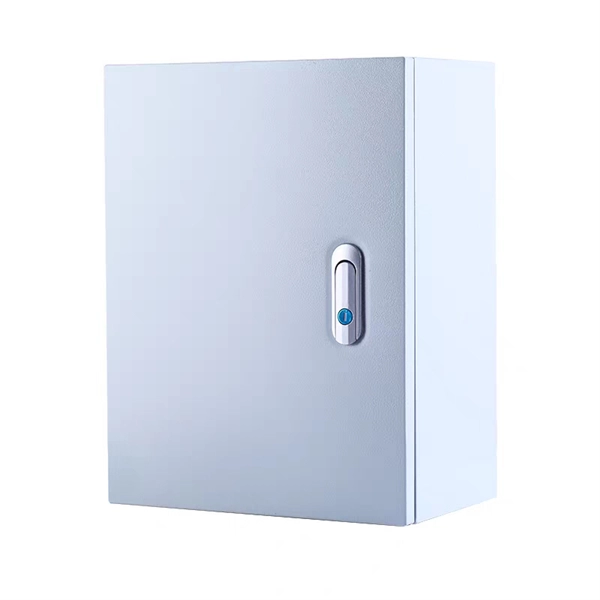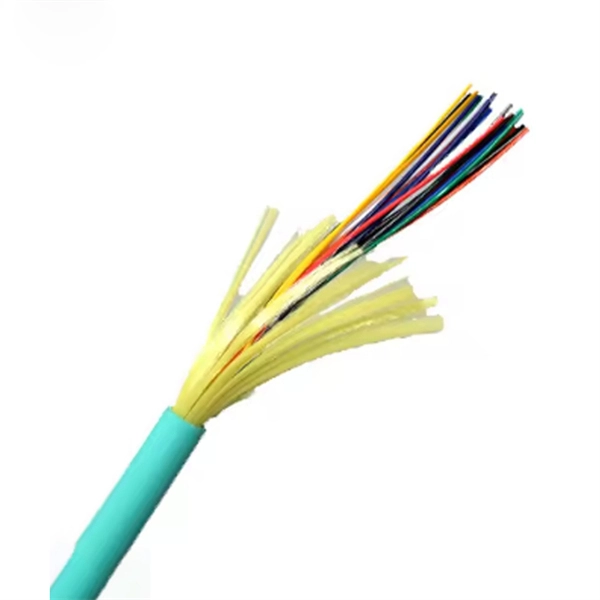
The SmartAisle offering optimizes infrastructure deployment and management with an intelligent row-based system that integrates data center racks, power, row cooling, aisle containment, monitoring and control technologies for spaces with up to 40 racks. The Swedish market for Cold Aisle Containment (CAC) systems represents a critical and sophisticated segment within the nation's broader data center infrastructure landscape. Characterized by a strong emphasis on energy efficiency, sustainability, and technological innovation, the market is driven. Ardmac have developed a range of Ground Supported (GS) and Ceiling Supported (CS) assemblies catering to an array of different modular clean rooms and off-site construction industry requirements including data centre design and data centre construction. Structural ceiling grids support the. Complete aisle containment solutions and cooling systems for hot and cold air separation. Optimizing the air flow in your POD and data center has several benefits, including reducing energy costs and improving efficiency. It maximizes the system's efficiency, minimizes its power consumption, and reduces its footprint, making it the perfect solution for medium- to. To increase the "Energy Efficiency" and manage the "Physical Security & Access Control" in data center environments, KabinPLUS offers Data Center Aisle and Containment Solutions.
[PDF]

Do you need a reliable, durable, and easy-to-install solution for your fiber optic cables? You're in the right place! Our product, consisting of a stainless steel wire and a reinforced nylon body, is specially designed for drop cables with diameters up to 3-8mm. ADSS Anchor Tension Clamps are hardware fittings used to securely terminate and anchor ADSS fiber optic cables on poles or towers without damaging the cable. They are lightweight and economical, allowing for easy installation, and suitable where environmental performance is low. At the same time, the plastic is thick enough not to break within the studied period, making it ideal for. In 2015, Jera line started to produce clamps and brackets for FTTX fiber optic cable deployment. With a combination of stainless steel wire and reinforced nylon body, Fibeye tension clamps offer excellent durability and performance. Do you need a reliable, durable, and. MefiberOptic. com provide a complete solution of products for fiber optic cable deployment for FTTx network constructions. We supply various clamps and brackets for ADSS or drop cable install solutions. Jera is. Each accessory serves a specific purpose: fiber tension clamps provide the right tension without damaging cables, drop wire clamps secure cables in outdoor environments, and anchor hooks and brackets support and stabilize cables on poles, walls, or buildings. Together, these accessories ensure that.
[PDF]

In this step-by-step tutorial, we'll cover: ✅ Tools you need ✅ Safety precautions ✅ Mounting the box ✅ Wiring tips ✅ Final checks Perfect for beginners, DIYers, and electricians who want a clear installation guide. more Learn how to properly install an electrical . A distribution box is the heart of any electrical system. It takes the incoming power and safely distributes it to different circuits throughout your building. Whether in a home or an industrial facility, this box keeps your electrical setup organized, functional, and efficient. It serves as a central hub for distributing electricity throughout a building, ensuring that power is delivered safely and efficiently to all the required locations. In this guide, we will break down the key elements involved in connecting the main power supply to your home, providing a clear path for a successful setup. We will focus on the critical parts of the system, from basic components to step-by-step assembly procedures. Whether you are looking to. No part of this publication may be reproduced, stored in a retrieval system, or transmitted in any form or by any means, electronic, mechanical, photocopying, recording, or otherwise, without the prior written permission of the publisher. For information, address: Pacific Gas and Electric Company.
[PDF]

This video shows real on-site footage of electrical installation, demonstrating safe and standardized wiring methods used by professionals. Strictly speaking, the word “Distribution Box (D-box)” can refer to two categories: electrical distribution boxes and septic tank distribution boxes. This article mainly talks about the first one. An electrical distribution box, also known as a power distribution box, panelboard, or consumer unit. Whether in a home or an industrial facility, this box keeps your electrical setup organized, functional, and efficient. However, the key to a safe and reliable system lies in proper installation. If it's done poorly, you risk short circuits, fire hazards, or system failure. Done right, it ensures. Electrical sockets: Choose electrical sockets capable of handling high loads, compatible with common plug types. Circuit breakers: Install circuit breakers for each area, workshop, machinery, equipment to protect the electrical system from overloads, short circuits. more Learn how to wire a distribution box step by step! This video shows real on-site footage of. In modern electrical systems, cable distribution boxes (also known as electrical distribution boxes or distribution boxes) play a crucial role as the key hub for managing, distributing, and protecting circuits. Whether it is residential buildings, commercial facilities or industrial sites, the.
[PDF]
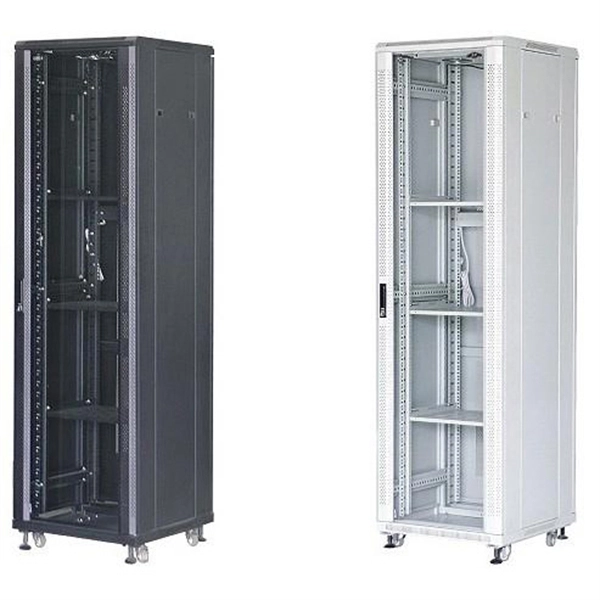
This document outlines the key requirements for cable tray layout, installation, and fireproofing in industrial and commercial environments. Route Planning and Layout Principles. Provides technical requirements concerning the construction, testing, and performance of metal cable tray systems. It is the first joint effort of NEMA and CSA International to put in one place standards for metal trays per both NEMA and CSA methods. Addresses shipping. Method Statement installation of Cable Trays and Ladders - Planning Engineer FZE. Whether you're designing a new. Below is the detailed cable tray installation method statement not only for cable tray but also applicable for GI ladder and trunking for indoor and outdoor applications and in service rooms like pump rooms, electrical rooms and plant rooms etc. All materials intended for cable tray, ladder and. Cable tray installation must comply with specific technical standards to ensure electrical safety, system reliability, and long-term maintainability. The mechanical and electrical characteristics, tests, certifications, overall quality management, recommendations mentioned in this technical guide only apply to our own cable management ranges and cannot under any circumstances be transpos regulations which.
[PDF]

Typical project ranges for a single distribution box install span from $500 to $3,000, with most residential jobs landing around $1,000 to $1,800. For multi-box configurations or complex trenching, costs often exceed $2,500. Homeowners typically spend several hundred to several thousand dollars for distribution box work in septic systems, depending on system size, material, and installation complexity. The main cost drivers are the number of boxes, trenching, backfill, and permit requirements. This guide outlines typical price ranges, how costs break down, and regional differences to help homeowners budget accurately. Costs vary based on the materials used, local labor rates, and permitting fees in your area. The cost is driven by box size, material, and installation requirements, with price ranges reflecting basic plastic units up to heavier-duty or re-locatable options. The following. Septic distribution box replacement costs between $500 and $1,500, with your box material and outlet size determining your final total. Your distribution box outlet count depends on household size and how many septic lines drain to the leach field. Even the most skilled DIY homeowners should hire a plumber to tackle the job, which can cost anywhere from $550 to $1,800. Labor makes up the largest portion of the cost to replace a septic distribution box, running as high as $1,200 for.
[PDF]
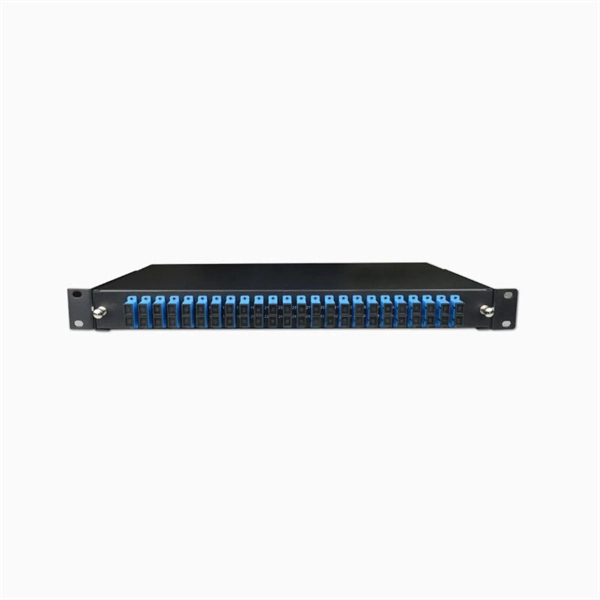
The IEEE standard for protection relays refers to a collection of guidelines developed by the Institute of Electrical and Electronics Engineers. These standards define the performance, accuracy, reliability, and testing requirements of protective relays used in electrical systems. Relay systems protect high-voltage equipment and transmission lines to ensure safe, stable systems. Although failure of a protective relay system may have severe local or regional impacts, most protective relay systems are not required to operate to prove they are in working order. Many of the protective relay systems are seldom called upon to work and have little means of proving they. The testing and verification of relay protection devices can be divided into four groups: Type tests are needed to prove that a protection relay meets the claimed specification and follows all relevant standards. Since the basic function of a protection relay is to correctly function under abnormal. Protective relays are decision-making elements in the protection scheme for electrical power systems. A strong test and maintenance program will keep protective relays in a high state of readiness and help utilities avoid equipment damage and prolonged downtime. This guide provides recommended. This utility standard establishes the requirements for testing and maintaining protection systems, automatic reclosing, and sudden pressure relaying.
[PDF]
GPON is an alternative to Ethernet switching in campus networking. GPON replaces the traditional three-tier Ethernet design with a two-tier optic network which eliminates access and distribution Etherne.
[PDF]

Mechanical Optical Switches: Switching times typically range from 1-10ms, suitable for long-distance transmission scenarios where latency is not critical (such as backbone network protection switching). Solid-State Optical Switches: Based on thermooptic or electrooptic effects, response. We lead the industry in optical switch technology, delivering the lowest insertion loss (0. 2 dB), fastest switching speed (10 ns), broadest wavelength range (300–2400 nm), widest fiber compatibility, highest optical power handling (50 W), and space-qualified reliability. Backed by over 25 years of. Use this optical switches buying guide to compare major types, define selection criteria, and find suppliers: Professional purchasing of high-value photonics products is a substantial responsibility, where a structured decision-making process is essential. RP Photonics offers a lot of help: Get. This document is a troubleshooting and selection guide for common optical switch failures, compiled based on over 500 field cases. These switches are built on proven, reliable optomechanical technology that has seen more than 30 years of successful operation. Each. The POLATIS ® Series 7000 384x384 all-optical circuit switch is designed to meet the most demanding applications with exceptionally low optical loss, compact size, and fast switching speeds. With support for Software-Defined Networks (SDNs) via embedded NETCONF and RESTCONF control interfaces, the.
[PDF]
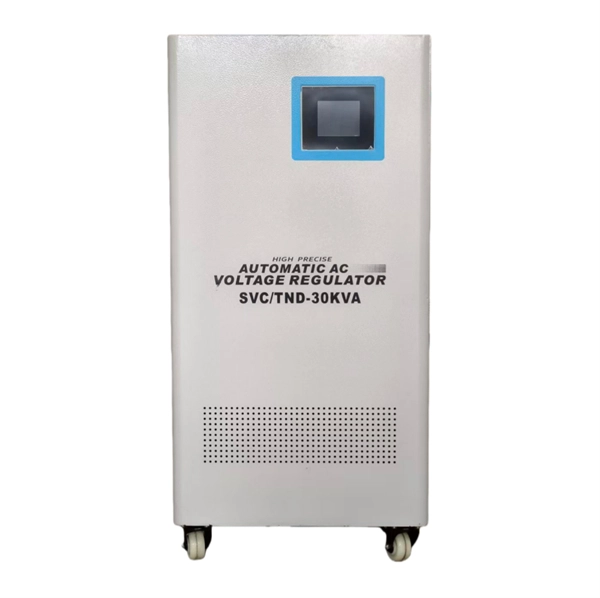
In part one of GIGABYTE Technology's latest Tech Guide, we explore the industry's most advanced cooling solutions so you can evaluate whether your data center can leverage them to get ready for the era of AI. 9 thermal guidelines applied to AI data center cooling — H1 high-density class, B200/GB200 implications, and what's coming in the next revision. Liquid. As Artificial Intelligence (AI) and High-Performance Computing (HPC) workloads drive rack densities beyond 50kW, traditional air cooling is reaching its physical and economic limits. Liquid cooling—specifically Direct-to-Chip (D2C) or Cold Plate technology—has emerged as the standard solution for. Modern AI accelerators have dramatically increasing power requirements, with TDPs rising from 300W (V100) to over 1,400W (MI355X) Heat Output = 700W × 0. 5W thermal BTU/hr = 696. Traditional air-cooling methods are struggling to keep pace with cooling the data center. Compute infrastructures for training large AI models are similar to high-performance computing (HPC) systems, which have long been used for demanding tasks in fields such as engineering, scientific research and finance. Industry insiders familiar with the natural progression of the modern data center will.
[PDF]
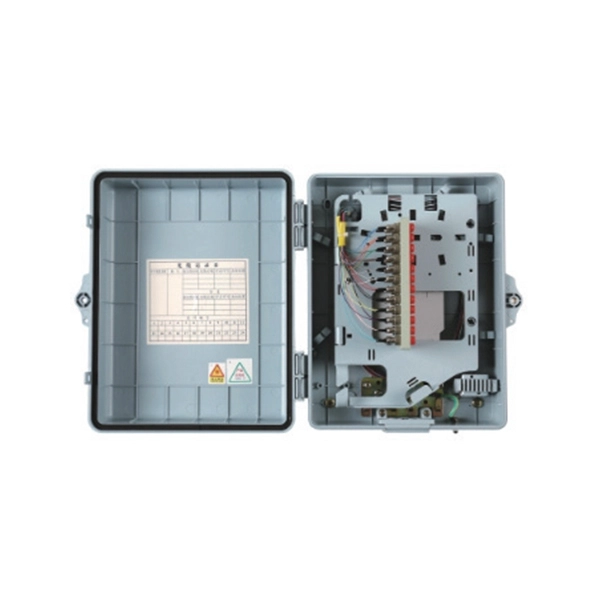
In this paper, various operational factors affecting 100G transmission over G. D fiber-cables are discussed to make the right fiber selection for the long-haul network. Selecting appropriate G. 652 fibre was originally optimized for use in the 1310 nm wavelength region but can also be used in the 1550 nm region. This is the latest revision of a Recommendation that was first created in 1984 and deals with some relatively minor modifications. a number of concatenated cable. G. 92% of. Fiber optic cables are the ultimate technology used in data transfer using light waves. They are classified based on wavelength band, core/cladding size, application, and compliance with international standards such as IEC, ITU-T, and TIE/EIA. In the next sections, the real artwork is putting on. This guide explains the most important ITU-T G. 655—to help you make an informed decision for your project, whether it's a long-haul backbone or a final FTTH drop. In the world of fiber optics, not all glass is created equal. The core of every cable—the optical. Because GPON and XGS-PON are deployed in diverse environments, fiber-containing components such as PLC splitters must be evaluated not only by their standard parameters but also by their sensitivity to bending loss, which is critical for maintaining stable optical transmission. The ITU-T defines.
[PDF]
A beam splitter or beamsplitter is an that splits a beam of into a transmitted and a reflected beam. It is a crucial part of many optical experimental and measurement systems, such as, also finding widespread application in.
[PDF]
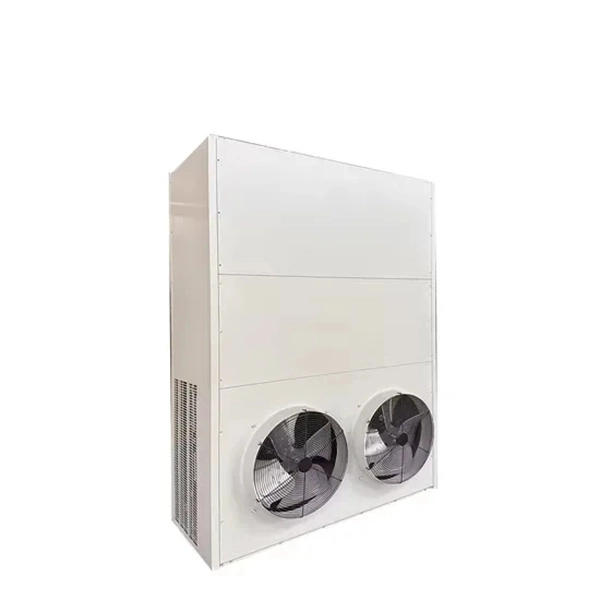
Our engineered protective building solutions comply with current editions of IBC, UBC, SBC, BOCA, NEC, ACI 318-95 and AISC in addition to achieving and sustaining the structural integrity for Category 5 scenarios resulting in a 150 mph wind loading capacity. Experience unparalleled protection and reliability with Enviro Buildings ® telecom shelters, specially designed for ground site applications in challenging environments. Our insulated shelters are engineered to withstand extreme temperatures, ensuring optimal performance in both high and low. Module X Solutions designs, engineers and manufactures modular and build on site precast or lightweight steel telecommunication equipment shelters to industry and client specific requirements. We design and manufacture telecom shelters for electrical equipment for all purposes. Airport ICAO shelters, telecommunication shelters, GSM shelters, equipment containers, server rooms, VAR (Video. “Technical Shelters” are structures designed for housing and protecting electronics and power equipment, commonly used in telecommunication base stations and remote switching centers. Our shelters can be shipped nationwide. Many models can be easily assembled and transported to remote locations using our skid mounts. The shelters are constructed from hot-dipped galvanized metal, coated with a durable finish that won't.
[PDF]