
Microswitch for querying different states of a clamping device or component, e. support control, position monitoring or clamping control. Due to the through-stroke or long stroke, it is particularly suitable for querying large and bulky components with high tolerances such as. Outstanding balance which reflects all unpaid changes due at this time per your selected payment method. * Your cart contains errors. Do not show again and take me directly to the Cart. Smart FilteringAs you select one or more parametric filters below, Smart Filtering will instantly disable any. Marking: M04. Description: Small switching. Buy now, ships today. STLI_M04 - Pushbutton Switch SPST-NO Panel Mount from Schlegel USA. View datasheets, pricing and availability from DigiKey now!. Help others learn more about this product by uploading a video! Did you find this product summary feature useful?. Standex Detect reed switches provide reliable, hermetically sealed switching for position, proximity, and sensing applications. Available in a wide range of sizes, power ratings, and configurations, they deliver durability, precision, and long operating life. Standex Detect proximity sensors use. The LP-C01 wirelessly controls LP-M04 modules via Modbus TCP or Modbus RTU for any SCADA or Control System client. Each LP-C01 will support up to 128 LP-M04 Modules. LP-M01+, LP-M02, LP-M03 & LP-M04 and LP-C01 with LoRa wireless technology implements secure 128-bit encryption with embedded signals.
[PDF]
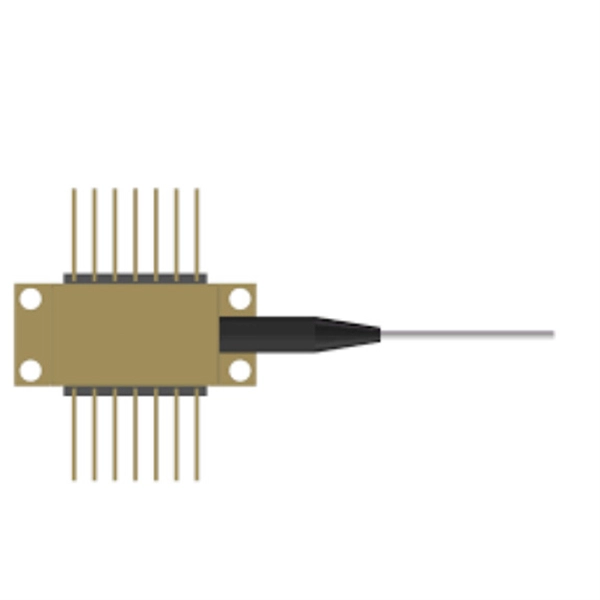
The Aggregation Switch has a 160 Gb/s switching capacity with a 119. 04 Mpps forwarding rate, features steel construction with a fanless design, and can be rack mounted using the included kit. An Aggregation or "Top-of-Rack" switch is designed to connect everything in a rack at high speeds, then have an even bigger pipe out to the rest of the network. Power Consumption A 32-port, Layer 3 switch made for high-capacity 10G SFP+ and 25G SFP28 connections. The three layers of a traditional three-layer network design are the core layer, aggregation layer, and access layer. As the physical part of the aggregation layer, aggregation switches typically play a. IEEE 802. 3ad link aggregation enables you to group Ethernet interfaces to form a single link layer interface, also known as a link aggregation group (LAG) or bundle. The LAG balances. What is an Aggregate Switch? Understanding Centralized Network Management An aggregate switch is a high-capacity network switch that consolidates connections from multiple access switches, acting as a central point for managing network traffic and providing enhanced bandwidth capabilities. It is. Switch aggregation, also known as link aggregation or trunking, is a method used in computer networking to combine (aggregate) multiple network connections in parallel. This arrangement increases throughput beyond what a single relationship could sustain, offers redundancy in case one of the links.
[PDF]

Step 1: Antistatic strap must be worn to prevent static damage. Step 2: Take out the optical module, ring and label up, the gold finger is facing down, Note that the right and the negative can not be reversed. Step 3: Turn the snap of the module so that it snaps the knob at the. A switch must use optical or copper modules that have been certified for use on Huawei S switches. Non-certified optical or copper modules cannot ensure transmission reliability and may affect service stability. Huawei is not liable for any problem caused by the use of non-certified optical or. This section describes how to install an optical module. The method used to install a copper transceiver module is the same, except that the copper transceiver module connects to a network cable instead of optical fibers. Never look directly into an optical module or the ends of optical fibers. HUAWEI S5700-24TP-SI-AC is a Gigabit Ethernet switch, the application layer is three layers, switch type is a cassette switch. Size (width x depth x height) 442mm×420mm×43. 9Kg, backplane bandwidth is 256Gbps, internal storage is 256MB. To avoid component damage caused by improper. This article summarizes several solutions for using optical modules with switches and common problems encountered during usage, along with specific solutions. Huawei S5720-32P-EI-AC Switch II.
[PDF]

Managing optical attenuation helps keep your signal safe. Clean your optical connectors so you do not lose. Optical Signal Attenuation is the single greatest factor limiting the distance and performance of your network. Understanding it is crucial for anyone involved in data centers, telecommunications, or enterprise networking. This guide will demystify signal loss, explore its causes, and show you how. In high-speed environments, where the optical link budget is measured in fractions of a decibel, diagnosing and eliminating unexpected loss is the network engineer's most critical task. This field guide provides a systematic, step-by-step approach to troubleshooting and resolving the most common. Signal loss in Fiber Optic networks can make data slow. It can also break your connection. You should fix it fast to get speed and stability back. > You can solve this with simple steps. Signal Degradation (Loss of Light) When the signal quality degrades, it could be a sign of attenuation or excessive loss in the system. The signal might become weaker, resulting in slower speeds or dropped connections. -. Fiber optic networks are celebrated for their speed and reliability, but even the best systems can encounter problems. When issues like signal loss, slow speeds, or intermittent connectivity arise, systematic troubleshooting is key. Things like impurities in the fiber core and reflections at the core-cladding edge cause this drop.
[PDF]
To connect a router to a switch, simply plug an Ethernet cable into one of the router's LAN ports and connect the other end to any port on the switch. This creates a seamless network where multiple devices can share the internet connection and communicate efficiently. What is the best method to use when connecting a router to your core switch? Should I put the switch port in a vlan where the IP of the router interface is or should the port not be a switchport and give it an IP? I know both methods will work but I want to know what is the better method to use. Here is what you can do by connecting a switch to your router: Increase the available number of Ethernet ports and improve network efficiency by eliminating Wi-Fi congestion. Optimize how you set up your networking infrastructure. This configuration is great when you have lots of devices that need. While a wireless router is fine for most users, a network switch provides additional ethernet ports for wired devices. Whether you are setting up a small home network or a large-scale enterprise network, understanding how to connect these essential networking devices is crucial. Switches are responsible for transferring data within a LAN, while routers are responsible for transferring data between different networks. In this blog, we'll provide a step-by-step guide to help you achieve it.
[PDF]

Telescopic mast system with advanced vibration-dampening technology to minimize jitter and ensure stable communication and data transmission, even in the most demanding terrain and vehicle movements. Fireco designs and manufactures the most comprehensive line of standard and custom telescopic masts using high quality materials with industry leading engineering and quality testing practices to provide our customers with the world's best mobile masts. Will-Burt's telescopic masts and tower systems provide intelligent. Telescopic mast systems play a critical role in modern field operations—enabling elevation of cameras, antennas, lights, sensors, and communication gear in demanding environments. Whether for surveillance, broadcasting, defense, or emergency response, choosing the right mast system ensures reliable. Floatograph, along with its utility industry partner, Eversource Energy, developed the Rapid Pole® – Temporary Power Pole system to reduce customer downtime, allowing crews to re-energize a circuit in as little as 20 minutes. Floatograph's masts come in height options from 10 to 100 feet, and are. Advanced telescopic mast solutions designed for versatility in the field, providing crucial support for on-the-move (OTM) missions. Erecting the Telescoping Mast is made by simply connecting guys and brackets to the attached unique heavy duty rolled edge guy rings and clamps, extend the sections, insert the locking cotter pins, rotating the tubes to.
[PDF]

Never touch the card-edge connectors at the insertion end of the module. Holding the SFP module by its sides, insert the SFP module into the port on the switch. Install or remove optical fibers carefully to avoid damage to fiber connectors. Optical modules are electrostatic-sensitive components;. Small Form-factor Pluggable modules (SFP module) are the workhorses of modern network connectivity, enabling flexible fiber optic or copper links between switches, routers, firewalls, and servers. Whether you're upgrading bandwidth, replacing a faulty unit, or reconfiguring your topology, knowing. You can replace a fan module while the switch is operating, as long as you perform the replacement within one minute. If you cannot perform the replacement within one minute, leave the original fan module in the chassis to maintain the designed airflow until you have the replacement fan module on. This section describes how to install an optical module. The method used to install a copper transceiver module is the same, except that the copper transceiver module connects to a network cable instead of optical fibers. Never look directly into an optical module or the ends of optical fibers. What are SFP+, SFP28, SFP56 HUAWEI WDM replacing the optical module video shows you how to replace an optical module. HUAWEI WDM Documentation: The extraction tool is designed to remove transceivers from.
[PDF]

How to Install a Fibre Connector into a Patch Panel (Easy fibre optic connector installation) How to Install a Fibre Connector into a Fibre Optic Patch Panel. How do you install fibre optic connectors?. Connecting a fiber patch panel to a switch is a critical step in setting up a fiber optic network. There are different types of connectors. In today's high-performance networks, fiber optic patch cables are the lifelines that ensure smooth data flow across switches, servers, and routers. Even the most advanced optical transceivers can only perform at their peak when paired with properly installed, clean, and precisely managed fiber. Choose an SFP module based on the fiber optic cabling that will be connected to the network switches. SFP transceiver modules almost always require two fiber optic cable strands. A Fiber Patch cord connects two devices. You plug it into a switch, router, or patch panel. It's ready to use out of the box. A pigtail is for splicing. You fuse it to a. With a railroad switch (patch panel), the train (data) can travel from A to B, C and even more destinations, otherwise it can only go from A to B, or C to D. This article, What Is a Patch Panel Used for?, has explained it thoroughly.
[PDF]
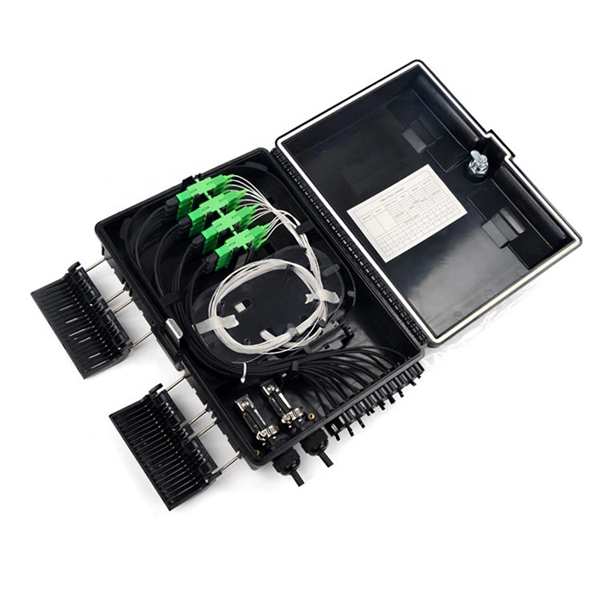
The detailed steps outlined herein provide a comprehensive understanding of optical attenuator installation and adjustment. Proper execution enhances the efficiency and stability of the attenuators and the overall communication system. Fibre optic attenuators, also called optical attenuators, are passive devices used to reduce the power level of an optical signal. Assemble all necessary tools and equipment, such as a fiber cleaver, fusion splicer, optical power meter, and connector cleaning tools. These are the cornerstones of a seamless installation. Equally. Having a deep understanding of how to select a fiber optic attenuator, regardless of the type—fixed or variable—and the type of fiber and connector is critical to the durability and maintainability of a reliable network. Taking optical power measurements before installation of a fiber optic. Optical Signal Attenuation is the single greatest factor limiting the distance and performance of your network. Understanding it is crucial for anyone involved in data centers, telecommunications, or enterprise networking. In this. 📦 For purchasing, use the RP Photonics Buyer's Guide for optical attenuators. It provides an expert-curated supplier directory, buyer-focused technical background information, and structured selection criteria to support professional procurement decisions. Optical attenuators are devices that.
[PDF]

Solution: To solve this problem, you can follow these steps: Check if the fiber and optical modules are compatible. A switch must use optical or copper modules that have been certified for use on Huawei switches. Huawei is not liable for any problem caused by the use of non-certified optical or copper. This article summarizes several solutions for using optical modules with switches and common problems encountered during usage, along with specific solutions. Huawei S5720-32P-EI-AC Switch II. During use, reading optical module information helps understand its real-time operating status, enabling faster troubleshooting of link abnormalities. The following uses the. ers, only the short transmission distance is supported. Whether optical attenuators need to be deployed at the receive end o. A leaf-spine refresh can fail in subtle ways: a port locks in an unexpected speed, optics negotiate but traffic stays dark, or DOM readings mismatch. This case study helps network engineers and field technicians validate a Huawei CloudEngine transceiver against switch requirements before rollout.
[PDF]
An optical fiber is a cylindrical ( waveguide) that transmits light along its axis through the process of total internal reflection. The fiber consists of a core surrounded by a layer, both of which are made of materials. To confine the optical signal in the core, the of the core must be greater than that of the cladding. The boundary between the core and cladding m.
[PDF]
An optical module is a component that completes electrical/optical conversion on an optical network. Figure 11-2 shows the structure of an optical module. On an optical network, a sender needs to convert electrical signals into optical signals before sending them to a receiver, and the receiver needs to convert received optical signals into electrical signals. An. As an essential component of optical fiber communication, optical modules are optoelectronic devices that facilitate the conversion between optical and electrical signals during the transmission process. They're a core component in fiber-optic networks, where data travels as pulses of light through glass fibers. Every time that light needs to change direction or jump.
[PDF]

This guide provides practical approaches and tools for updating ASP. NET Framework apps to ASP. Say you have a. NET Core project that looks like this: "net40": {}, "dotnet5. 1": {} And this is your C# code: public static void Blah() #if DOTNET5_1 DoSomething(); #elif NET40 DoSomethingElse(); #endif Now, in Visual Studio when you view the. cs file, one of the #if sections will be grayed. This article provides an overview of what you should consider when porting your code from. NET Framework is relatively straightforward for many projects. The complexity of your projects dictates how much work you'll need to do. Migrating from. NET is not a single-click upgrade. It is a controlled engineering effort that succeeds when you treat it as a series of small, safe steps instead of a big rewrite. Teams that rush usually regret it. If. This is probably an old-style csproj, yes? You kinda need to convert it to new-style ("SDK" style) csproj. For simple projects, this is trivial and is usually easiest done by simply creating a new-style csproj from scratch. These apps often incorporate new technologies as they become available and are often composed of many legacy decisions. NET 10, the breaking changes listed here might affect you. Changes are grouped by technology area, such as ASP. NET Core or Windows Forms. This article categorizes each breaking change as binary incompatible or source incompatible, or as a behavioral change: Binary.
[PDF]

