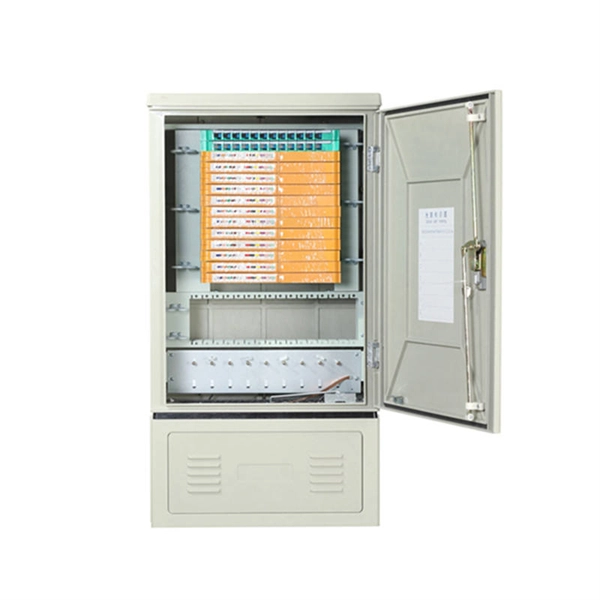
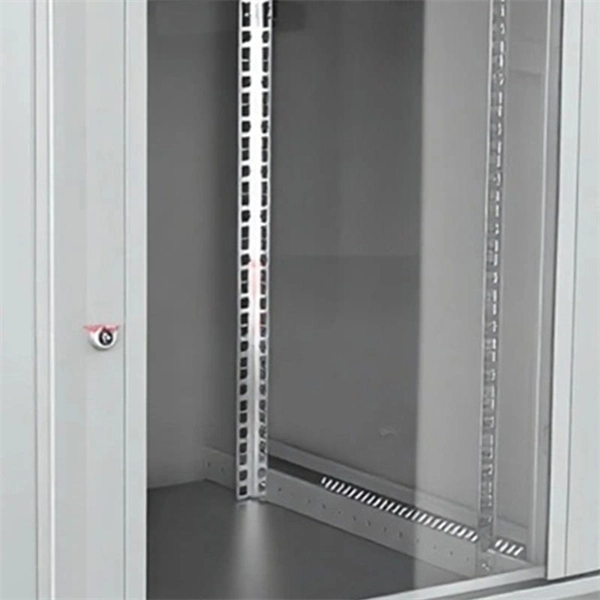
We offer a huge selection of fiber cables and adapters that help to ensure dependable fiber network connections. A fibre optic adapter is used to connect and align two fibre optic connectors together. They are used to bridge the gap between a cable to cable fibre connections and sometimes known as a mating sleeve or a hybrid adapter. They come in different. Identify and compare relevant B2B manufacturers, suppliers and retailers Max. Eurofiber is a key player in the fiber optic telecommunications sector, offering extensive coverage with over 70,500 kilometers of open network across multiple countries. They provide high-quality and reliable fiber-optic. Anixter is your source for Fiber Optic Adapters products. They are available in SC & LC duplex connector types. The leading manufacturers of Fiber optic adapters are listed below. Narrow down on the list of companies based on their location and capabilities. What is a Fiber.
[PDF]
Picking up the best router for fiber internet isn't just about going to the market and choosing one of the best wireless routers. Instead, you need to carefully look at its specs, performance, and the type of securit.
[PDF]

The Huawei eSFP GE SX MM850 02313URD Optical Transceiver is a high performance, small form factor pluggable (SFP) transceiver module designed for Gigabit Ethernet (GE) applications. It is specifically engineered for use in multi mode fiber optic networks and operates at a wavelength. Optical fibers are used for carrying signals on Gigabit networks or networks with higher packet rates. An optical fiber is a carrier of optical signals and transmits optical signals over a short distance. An optical fiber is connected as follows: One end is connected to the optical port on the USG. The eSFP-GE-SX-MM850 optical module is a Huawei Gigabit multimode optical module with DOM/DDM support, which is packaged in an SFP package with a center wavelength of 850 nm. The device is designed for use in Switches and routers compatible with Small Form Factor Pluggable Multi-Sourcing Agreement (MSA). This section describes the differences between MMFs and SMFs. However. 02318169 10GBASE-SR SFP+ transceiver with LC Duplex connection according to MSA standards compatible with Huawei from the BlueOptics brand. The 02318169 10GBASE-SR LC Duplex SFP+ compatible with Huawei has a receiving function (receiver with 850nm) and a transmitting function (transmitter with.
[PDF]

They are manufactured and tested in compliance with TIA 604 (FOCIS), IEC 61754 and YD/T industry standards. OM1, OM2, OM3, OM4, OM5 or OS2 fiber types are available to meet the demand of Gigabit Ethernet, 10 Gigabit Ethernet and high speed Fiber Channel. Fiber optic patch cords, also known as fiber optic patch cables or fiber jumpers, are indispensable components in modern optical networks. They act as the critical link for interconnecting devices like optical switches, servers, and distribution frames. Understanding the various technical. Designed for data center, enterprise, FTTx, LAN and WAN, CATV network, telecom network applications, etc. Fiber optic patch cables are ideal for supporting high speed telecommunication network fiber. Fiber optic patch cords are essential components in modern optical communication networks, widely deployed in data centers, telecommunications, FTTx systems, and enterprise cabling infrastructures., which can be. As networks move to higher speeds and higher density, choosing the right fiber optic patch cords becomes critical to the reliability of your system. At ZION Communication, we design and manufacture a full range of fiber patch cords for: This guide will help you quickly understand the main types of. Our fiber optic patch cords are factory terminated, inspected and tested to meet industry standards. They are available in either riser or plenum flame rating, and have a 2. 0mm thick color-coded jacket.
[PDF]

A: If a fiber optic cable is cut, you can repair it by following these steps: 1) Locate the cut end. 2) Cut any sheath and yarn to expose the fiber. 4) Clean and inspect the fiber. While a cut or damaged fiber optic cable can temporarily take your network down, it is possible to quickly fix the cable with the right tools. This wikiHow article will teach you how to splice a cut fiber optic cable back together with a fiber optic stripper and cutter and a fiber optic crimper. Fiber optic cable cuts can be alarming, especially with problems like signals being dropped, internet interruptions, or even network failures. However, you don't need to panic! It can still be fixed. If you have the right tools and knowledge, you can definitely find the solution. Accidental cuts, breaks, or other damage can disrupt your network and cause costly downtime. With the right tools and techniques, you can efficiently repair damaged fiber cables and restore. However, professionals with the right tools and knowledge can effectively repair a damaged fiber optic cable and restore its functionality. Proper use of these tools and. FOA Guide - Fiber Optic Restoration Introduction If something happens, it's important to not panic. What Can Happen? · Failed communications modules in the equipment Underground cable dig-ups Aerial cable damage from gunshots and a squirrel. Whether you have a.
[PDF]

You don't need a special router, per se, but you do need one that can handle the speed fiber provides. If you're paying for gigabit fiber service, make sure your router supports at least gigabit Ethernet ports and dual-band or tri-band WiFi (like WiFi 5 or WiFi 6). Your router must have a Gigabit Ethernet WAN port to connect to the ONT. Routers designed for DSL (which uses phone line inputs) or cable (which uses coaxial inputs) won't work. Some fiber internet plans. While the ONT establishes your fiber connection, the router broadcasts that signal throughout your home via WiFi and provides wired ethernet ports for direct device connections. Not all routers can handle fiber internet's blazing speeds, making it essential to choose equipment rated for your plan's. If you have gigabit fiber internet, you'll want a router that can keep up with the lightning-fast speeds of fiber plans. So the short answer is yes, you need a high-end router to take full advantage of gigabit internet. However, having a router that is optimized for fiber optic internet can make a big difference in your online experience. Do You Need Both a Modem and a Router for Fiber? Fiber internet, often referred to as fiber-to-the-home (FTTH).
[PDF]
In the single mode vs. multimode fiber debate, there is not one cable that's the best, but there are some that are better suited to certain situations. If you need to run fiber optic cable over a vast distance, there's.
[PDF]

It is an interference type damper designed to attenuate the energy of cable vibration and restrain cable vibration amplitude by impacting with its damping section, so as to protect cables. Spiral vibration dampers have a helically-formed damping section sized for interplay of damper and cable to provide the action/reaction motion that opposed the natural vibration wave. The shock absorber damper is an interference type damper to attenuate vibration amplitude by impact with its damping section and especially designed for ADSS cable and OPGW cable of diameter less than. Spiral Vibration Dampers using its anti-vibration part to produce antihunt action to the wind vibration, consuming the vibration energy that produced by the cable running under the action of laminar wind,to prevent the destruction of gold tool and fiber optic cable, which mainly used for ADSS. Shop DigiKey's large in-stock selection of Spiral Wrap, Expandable Sleeving. View inventory, pricing and order now for same day shipping!.
[PDF]

Home and business fiber optics projects typically range from a few hundred to several thousand dollars, depending on run length, fiber type, and labor needs. The main cost drivers are materials, installation time, and environmental factors that affect trenching, conduit, and terminations. Commercial building installations with 100-200 network drops generally range from $15,000 to $30,000. Single-mode fiber costs less per foot than multimode fiber, but it requires more. What is Fiber optic network design? Fiber optic network design involves the planning, routing, and drafting of Fiber cable layouts to support high-speed data transmission. It includes detailed mapping of backbone, distribution, and drop connections for FTTH, FTTP, FTTx, and enterprise networks. Fiber optic network design refers to the specialized processes leading to a successful installation and operation of a fiber optic network. It includes first determining the type of communication system (s) which will be carried over the network, the geographic layout (premises, campus, outside. According to ResearchAndMarkets, the global market for fiber optics was estimated at $5. 8 billion in 2022 and is expected to reach $11. This is the dominant broadband access technology across half of OECD countries today. The price landscape varies from basic drop cables to enterprise backbone runs, with per foot and per reel pricing common in estimates. This guide presents cost ranges.
[PDF]
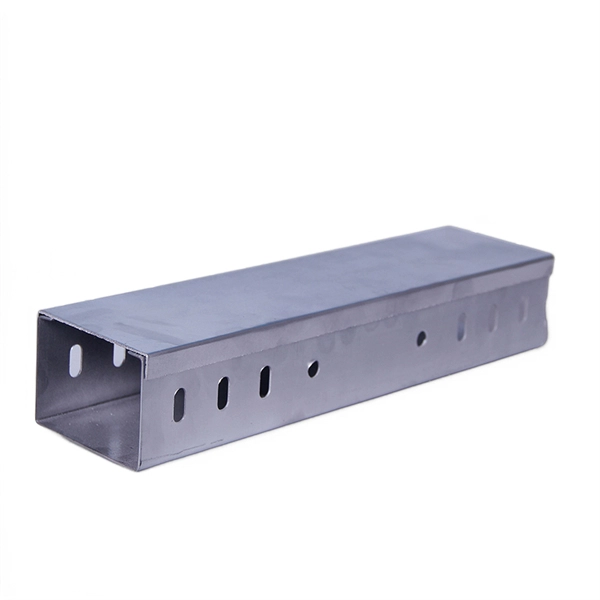
Panjiva uses over 30 international data sources to help you find qualified vendors of Ecuadorian sensors. Get access to all 13 remaining Fiber optic products suppliers with complete contact information, addresses, and business details. As of May, 2026, we have compiled data. Pricing (USD) Filter the results in the table by unit price based on your quantity. Fiber Optic Sensors are available at Mouser Electronics. Mouser offers inventory, pricing, & datasheets for Fiber Optic Sensors. How does 6Wresearch market report help businesses in making strategic decisions? 6Wresearch actively monitors the Ecuador Distributed Fiber Optic Sensor Oil & Gas Market and publishes its comprehensive annual report, highlighting emerging trends, growth drivers, revenue analysis, and forecast. These results have not been confirmed by Panjiva and are provided on an "AS IS" basis, as further described in Panjiva's Terms and Conditions of Use and Panjiva's Transparency Policy. Your use of the information provided in these results is subject in all respects to those Terms and Conditions of. Furthermore, the expansion of smart cities and the adoption of the Internet of Things (IoT) are amplifying the demand for distributed fiber optic sensors. 7 million in 2024 and is projected to grow from USD 1,581.
[PDF]
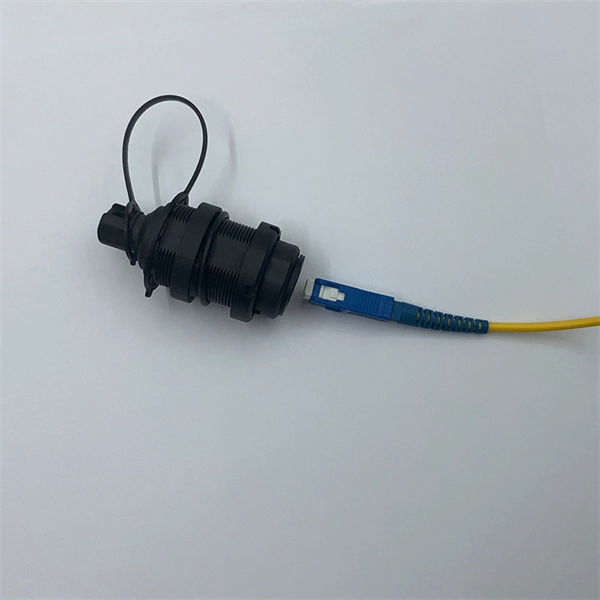
Extending the fiber through the box makes use of a cable entry gland. Fasten the cable to the clamps or ties to assure the cable is immovable. Cable must be properly minimum radius (usually ≥30mm for standard fiber). Remove the cable jacket and buffer coating material. Thus, a fiber termination box is used to terminate the optical fiber cables in the field and connect them to the pigtail by splicing. After an optical cable arrives at the user's end, it is fixed in the terminal box. Fiber adapters: These are used to connect the fiber optic cables to the fiber termination box and should comply with industry. Teleweaver emphasizes the importance of choosing the right FTB based on specific requirements. The common types include: Wall-Mounted FTBs: Ideal for residential and small-scale applications, these are compact boxes designed to be mounted on walls for easy access and space-saving cable management. To address this problem, the fiber termination box (FTB) was created to protect the fragile fiber terminals and provide a simple and clear way to manage the incoming and outgoing cables. more Order it here: https://www. This video shows you a step-by-step instruction on how to terminate 12 strands single mode fiber cables, splicing them with fiber optic pigtails.
[PDF]
This article will give you an overview of the use cases for fiber-optic networking, some of the terms used in fiber networking, and suggestions for setting up a fiber network. Once you understand the basic concepts, you can check out my Recommended Equipment section toward. Fiber tapping is a network tap method that extracts signal from an optical fiber without breaking the connection. Tapping of optical fiber entails diverting some of the signal being transmitted in the core of the fiber into another fiber or a detector. Fiber to the home (FTTH) systems use beam. Optical fiber is a technology used to transmit data by sending short light pulses along a long fiber, which is typically made of glass or plastic. In optical fiber communication, metal wires are preferred for transmission because the signals travel more safely. Optical fibers are also resistant to. Photo: Light pipe: fiber optics means sending light beams down thin strands of plastic or glass by making them bounce repeatedly off the walls. This is a simulated image. Note that in some countries, including the UK, fiber optics is spelled "fibre optics. " If you're looking for information online. This manual covers everything about fiber optic cables, how they work, where they are used, and what is new in this area of technology. The choice of fiber optic cable depends on the specific needs of the application, as well as the.
[PDF]
Unlike, single-mode fiber does not exhibit. This is due to the fiber having such a small cross section that only the first mode is transported. Single-mode fibers are therefore better at retaining the fidelity of each light pulse over longer distances than multi-mode fibers. For these reasons, single-mode fibers can have a higher than multi-mode fibers. Equipment for single-mod.
[PDF]