Yes. Standard scissors and a ruler will be adequate in most cases, unless you require an exact length of tubing, in which case use a more precise measuring tool. For thicker tubing you may require wire cutt.
[PDF]
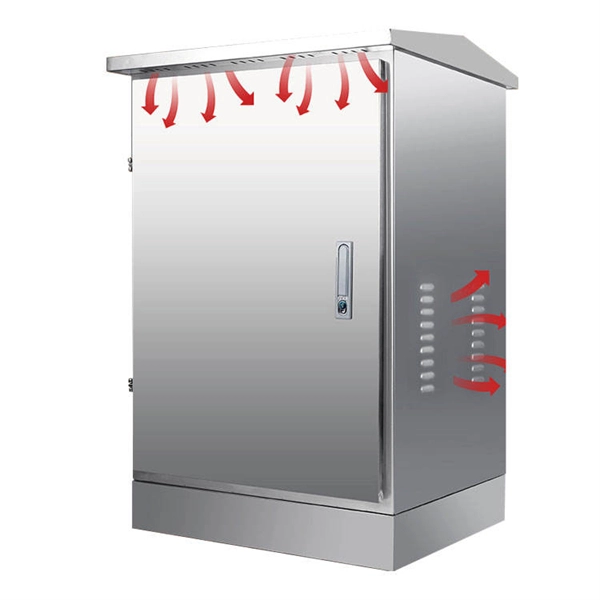
However, by using heat shrink tubing, it's possible to establish a tight, reliable seal around cables and wires, essentially providing a waterproof finish. This helps deter the risk of water-induced damage, helping to extend the durability and lifespan of your electrical systems. Outdoor junction boxes are exposed to harsh environmental conditions, including rain, snow, UV radiation, and fluctuating temperatures. Without proper weatherproofing, moisture can penetrate the enclosure through cable entries, mounting holes, or compromised seals. The consequences of poor. Heat shrink tubing is commonly used for waterproofing electrical connections, particularly in applications where exposure to moisture is a concern. Here's how waterproofing through heat shrink works: Selecting the Right Tubing: Choose heat shrink tubing that is specifically designed for. Heat shrink tubing is an indispensable thermoplastic sleeve used in wiring and cable management. It is a “must-have” insulating tool for electricians and engineers, providing reliable protection and a secure seal around wires and connectors. The outer layer is typically made of a durable, flexible polymer material (often polyolefin), which is designed to shrink when exposed to heat. This simple technology typically involves a polyolefin sleeve that has been expanded and then set with a memory to shrink back to its original, smaller size when.
[PDF]

Single fiber modules (BiDi) use one fiber for both transmitting and receiving data. This saves space and money. They are easier to set up and give steady communication. They use a thin fiber. They consist of a transmitter on one end of a fiber and a receiver on the other end. Most systems operate by transmitting in one direction on one fiber and in the reverse direction on another fiber for full duplex operation. Most systems use a "transceiver" which includes both transmission and. Small Form-factor Pluggable (SFP) module is a compact, hot-swappable transceiver used for both telecommunication and data communication applications. It plugs into a network device's port, such as a switch, router, or media converter, and converts electrical signals into optical signals or vice. At the heart of fiber optic technology lies a crucial component: the optical transceiver. These modules typically consist of a transmitter, which converts electrical signals into a light signal, and a receiver, which converts the received signal back. BiDi transceiver, a compact optical transceiver with WDM (wavelength division multiplexing) technology and SFP multi-source protocol (MSA) compliance, allows fast data transmission using a single fiber optic for both sending and receiving signals, saving resources and cutting infrastructure costs.
[PDF]