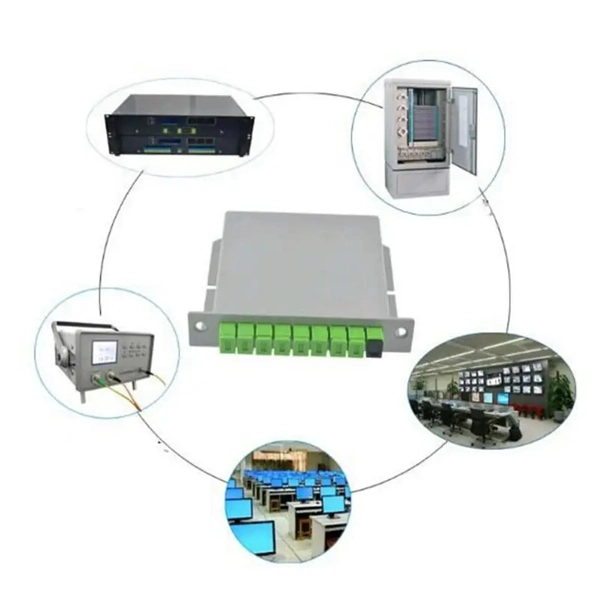
The basic design of an optocoupler consists of a light source, usually an LED (Light-Emitting Diode), driven by the input signal which could be a digital or analogue voltage/current depending upon the characteristics of the light source. An optocoupler (or opto-isolator) is a component that transfer signals between circuits using light. In this guide, you'll learn how they work and how you can use one in your own projects. Optocouplers are very useful when you need to isolate different sections of a circuit, for example in power. Optocouplers, also known as opto-isolators, uses infrared light to transfer electrical signals between two electrically isolated circuits and are commonly classified by their photosensitive output device What is an Optocoupler? An optocoupler (also called an opto-isolator, photo-coupler, or optical. An optocoupler is a tiny part that moves signals between circuits without letting electricity jump across. It uses light to do the job, which helps keep things safe. That way, noisy signals, voltage spikes, or weird grounding issues don't mess with sensitive electronics. Opto-isolators prevent high voltages from affecting the system receiving the signal. We will explore the basics of optocoupler selection and their functionality, helping.
[PDF]

Managing optical attenuation helps keep your signal safe. Clean your optical connectors so you do not lose. Optical Signal Attenuation is the single greatest factor limiting the distance and performance of your network. Understanding it is crucial for anyone involved in data centers, telecommunications, or enterprise networking. This guide will demystify signal loss, explore its causes, and show you how. In high-speed environments, where the optical link budget is measured in fractions of a decibel, diagnosing and eliminating unexpected loss is the network engineer's most critical task. This field guide provides a systematic, step-by-step approach to troubleshooting and resolving the most common. Signal loss in Fiber Optic networks can make data slow. It can also break your connection. You should fix it fast to get speed and stability back. > You can solve this with simple steps. Signal Degradation (Loss of Light) When the signal quality degrades, it could be a sign of attenuation or excessive loss in the system. The signal might become weaker, resulting in slower speeds or dropped connections. -. Fiber optic networks are celebrated for their speed and reliability, but even the best systems can encounter problems. When issues like signal loss, slow speeds, or intermittent connectivity arise, systematic troubleshooting is key. Things like impurities in the fiber core and reflections at the core-cladding edge cause this drop.
[PDF]

Where traditional computer chips push electrons through copper wires, silicon photonic chips guide photons (particles of light) through tiny channels called waveguides etched into the same silicon material. The result is faster data transfer, less heat, and dramatically lower. Silicon photonics is a technology that uses light instead of electrical signals to move data through circuits built on silicon chips. The silicon is usually patterned with sub-micrometre precision, into microphotonic components. These operate in the infrared, most commonly at the 1. More simply, while traditional semiconductors like CPUs, GPUs, and SoCs in computers and smartphones are silicon-based integrated circuits, silicon. Silicon photonics is a type of integrated photonics that utilizes silicon-based fabrication processes to create optical chips. Thereby it opens a route towards very advanced PICs with very high yield and low cost. More precisely, silicon photonics. Photonic crystals with extremely high quality cavities. Waveguide losses dominated by scattering. Use better litho + etch CROSSINGS. Optional undercut to lower thermal leakage. ELECTRO-OPTIC EFFECT IN SILICON: INJECTION VS.
[PDF]

The best router for fiber internet is one that matches your plan speed, home size, and how you use your connection. Our top overall pick is the Netgear Nighthawk RS700S, a Wi-Fi 7 router built for multi-gig fiber plans that handles up to 200 devices across 3,500 square feet. Keep reading for a rundown of the best fiber optic internet routers in 2026. After providing you with the general image about the eight best routers for fiber internet. A fiber-optic connection is the best choice for fast home internet as it has a number of advantages compared to traditional copper cables, such as faster speeds and less interference. For budget-conscious. Instead of using your old router, a high-performance Wi-Fi router designed for fiber optic internet will ensure you seamless streaming, online gaming, and remote work all over your space. However, the market is flooded with countless options, making the selection quite overwhelming. During testing, it provided perfect coverage. Amazon eero 6+ mesh wifi router - Supports internet plans up to a Gigabit, Coverage up to 1,500 sq. 5 Gbps, Coverage up to.
[PDF]
The industry-leading core switch ideal for campus networks. CloudEngine S12700E enables wired and wireless convergence, full-stack openness, and smooth upgrades at the core layer of high-end campus networks. As flagship core switches in Huawei's CloudCampus portfolio, this series enables you to. Hello, my name is Bob, and I am a Senior Engineer with the Technical Services team at network-switch. I am also a certified Cisco CCIE professional and HCIE certifed engineer, which reflects my expertise in networking and my dedication to delivering high-quality technical solutions. Huawei. The Huawei S12700 series switch is a high-performance core switch from Huawei designed for large enterprise and campus networks, aiming to provide excellent network performance, high reliability and comprehensive security. To help organizations choose the right switch, today we focus on the. The S6700 series switches (S6700s) are next-generation 10G box switches.
[PDF]
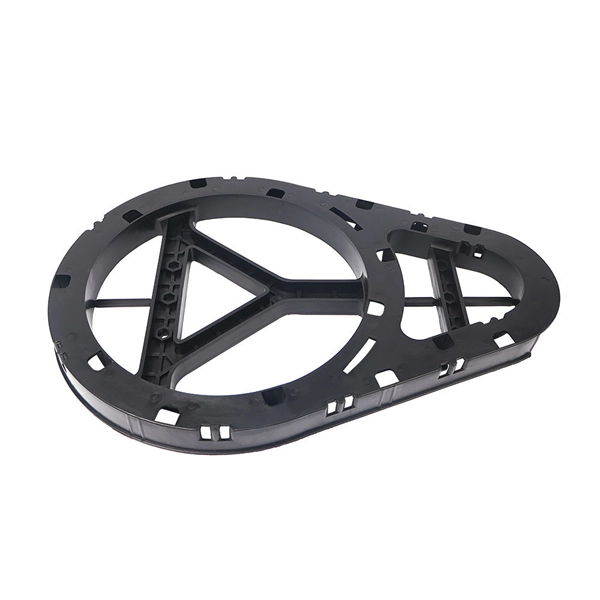
The manufacturing process of fiber optic cables involves several crucial steps, including fiber production, cable assembly, testing and quality control, and packaging and distribution. Each step ensures that the cables are produced to the highest standards and can efficiently. The digital revolution continues to drive unprecedented demand for high-speed, reliable data transmission. At the heart of this transformation lies fiber optic cable manufacturing, a precise and sophisticated process that powers our interconnected world. With the global fiber optic market reaching. Fiber optic cables are the backbone of today's high-speed internet, telecommunication systems, and data transfer technologies. Unlike traditional copper cables, fiber optic cables use light signals to transmit data, which allows them to carry large amounts of information at extremely high speeds. The production of optical fiber is a precision-driven process that transforms raw materials like silicon tetrachloride into ultra-thin, high-performance fibers capable of transmitting terabits of data over thousands of kilometers. With the increasing demand for faster and more reliable connectivity, the construction of optical fiber cable factories has become essential. This hair-thin strand of glass or plastic transmits data as pulses of light over long distances with minimal signal loss. The first step in.
[PDF]

SPECIFICATIONS SRK20ZMX-S Model Indoor unit SRK20ZMX-S Outdoor unit SRC20ZMX-S Item Power source Single phase, 220 - 240V, 50Hz Nominal cooling capacity (range) 2. )) Nominal heating capacity (range) 2. 70 ). Used under licence from The GMDN Agency Ltd. A mains electricity (AC-powered) bed designed to be used as a patient bed for rest/sleep in a hospital ward/room, and which is motorized providing the patient/nursing staff with touch button adjustment possibilities. It typically includes a framework. SOUTHWIRE Power Distribution Box: Single. Roll over image to zoom. Power distribution boxes are stationary and work best in applications that don't require frequent movement of the power source. With over one. When you order products from Accu-Tech. com, the order is processed within one to two business days. You have several shipping options for parcel shipping: standard ground 5 to 7 business days, 2 to 3 business days, or. GMDN© Term Code, Names and Definitions (* Terms of Use): GMDN® is a registered trademark of The GMDN Agency. The Z-MAX Plus switching circuit offers an unprecedented 1,000,000 cycle life for unmatched durability. And for maximum equipment protection, the standard 30A relay card. Page 1 Manual No. '13 SRK-T-144 TECHNICAL MANUAL INVERTER WALL MOUNTED TYPE RESIDENTIAL AIR-CONDITIONERS (Split system, air to air heat pump type) SRK20ZMX-S 25ZMX-S 35ZMX-S 50ZMX-S 60ZMX-S. '13 • SRK-T-144 CONTENTS 1.
[PDF]

The main service panel is typically located in a home's basement or utility room. Some homes also have a subpanel—a smaller version of the main panel—to control electrical circuits in a garage, workshop, or other outbuilding. The National Electrical Code (NEC) does not specify a minimum height for an electrical panel, although practical access for service should always be considered. But there is a maximum height allowed for an electrical panel, which is based on the height of the highest breaker switch in the panel. NEC Article 408 covers switchboards, switchgear, and Panelboards installation and applications. Guidelines set by the National Electrical Code (NEC) provide a framework that ensures these installations adhere to stringent safety protocols. This article provides an exhaustive examination of the principles and standards governing the height at which electrical panels should be installed. The National Electric Code (NEC) includes the minimum standards for installing a circuit breaker panel box. These standards set the minimum safety standards for panel boxes. Tomorrow I'll be looking at a panel that was installed in a dining room knee wall 18" above floor. You can find electric panels inside cabinets, behind refrigerators, or inside clothes closets in older homes. Electrical panels.
[PDF]
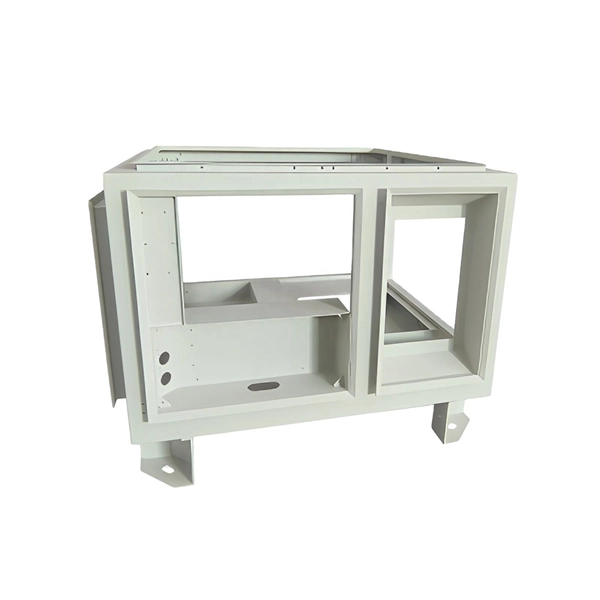
Circuit breaker wiring configurations involve organizing main switches, busbars, and branch breakers within a distribution box. Proper setups ensure balanced electrical loads, ground fault protection, and easy maintenance. Messy distribution boxes are dangerous and very hard to fix. This guide shows you how to organize circuit breaker wiring properly. You will learn to build a safe, efficient, and professional electrical system today. Location determination: Determine the installation position of the circuit breaker according to the position of the. The distribution board is the heart of every electrical installation. This guide covers split load vs dual RCD vs RCBO board configurations, circuit arrangement and allocation, BS 7671 labelling requirements, type testing under BS EN 61439, SPD installation, wiring best practice, and the common. Distribution panels, breaker panels, load center, and/or distribution boards—any name you call them, they're a key part of every electrical system. Wiring distribution panels serve as the central hub and nerve center, routing power from the main service feed to multiple circuits. When setting up. Hey, in this article we are going to see the Single Phase Distribution Box Wiring Diagram and Connection Procedure. It serves as a central hub for distributing electricity throughout a building, ensuring that power is delivered safely and efficiently to all the required locations.
[PDF]
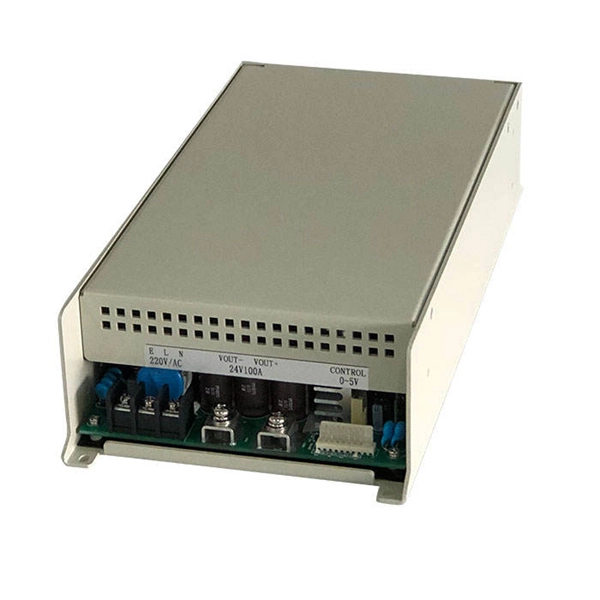
This directory lists 84 fiber optic cable manufacturers across the United States, from specialty tactical cable producers to high-volume producers of premise and outside plant cables. On Thomasnet, you'll find more than 630 suppliers of fiber optic cables in the USA. You can filter these companies by location, certifications, and more factors to easily find and connect with the right supplier for your needs. Buyers seek manufacturers to solve challenges like achieving specific optical return loss (ORL) targets for. XD, UPC, 2. 1mm, yellow, SM/A2, OFNR A tariff of 8% may be applied if shipping to the United States. Polyvinyl Chloride (PVC) Fiber Optic Cable Assemblies are available at Mouser Electronics. 28 Fiber Optic Cable manufacturers listed. You can narrow down the list of manufacturers based on their location and capabilities, browse their product catalogs, view their profiles, and send. Find 1,029 Fiber Optic Cables suppliers with GlobalSpec. Our catalog includes 106,450 manufacturers, 20,792 distributors and 94,628 service providers. Our international database. Trusted by customers on six continents Your Preferred Choice for High Speed Connectivity HFCL is recognized as one of the largest manufacturers and suppliers of fiber optic cable across the globe, providing high-quality products and reliable services. Adhering to stringent quality standards, our.
[PDF]

Silicon, toughened glass, aluminum, and electrical metals are carefully chosen materials that are used to make panels that work well and last a long time. All of these parts work together to turn the sun's rays into electricity that can be used. They can be put on roofs or in. We look at the raw materials of a PV module including busbars, and junction boxes to the cell itself. A solar, or photovoltaic (PV) module as it is also called, is a device that converts sunlight into electricity. It is the key component of a solar energy system. Solar panels convert sunlight into. Most panels on the market are made of monocrystalline, polycrystalline, or thin film ("amorphous”) silicon. In this article, we'll explain how solar cells are made and what parts are required to manufacture a solar panel. Most homeowners save around $60,000 over 25 years Solar panels are usually. A solar panel is made of different raw materials like frames, glass, backsheets, and others. Each of the raw materials for solar panels plays an important role in generating electricity. Aluminum Alloy Frames Regarding solar. Discover the key materials that make up modern monocrystalline solar panels, what role each material plays, and where these materials usually come from. Sunlight first passes through a protective layer (usually glass) and then enters the solar cell through a. The cell to module process starts with very pure materials. They also affect how long the panels last.
[PDF]

Fiber optic network diagrams represent the architecture and connectivity of fiber optic systems, and their design philosophy integrates technical, functional, and conceptual aspects. The diagrams abstract complex details of fiber optic systems to make them understandable for. Fiber optic network design refers to the specialized processes leading to a successful installation and operation of a fiber optic network. It includes first determining the type of communication system (s) which will be carried over the network, the geographic layout (premises, campus, outside. A fiber optics network diagram illustrates how high-speed data travels from an internet service provider to end users. These diagrams help engineers plan infrastructure for residential and commercial buildings. It includes detailed mapping of backbone, distribution, and drop connections for FTTH, FTTP, FTTx, and enterprise networks. Planning and design is a process that includes many decisions, involving first defining the communication protocols to be used on the network and defining geographical layout. It also involves selecting transmission equipment.
[PDF]

You can plug various networking devices into an SFP (Small Form-factor Pluggable) port, such as fiber optic transceivers, gigabit Ethernet modules, and SFP modules. These can include devices such as switches, routers, network interface cards, and media converters. SFP (Small Form-factor Pluggable) is a compact, hot-pluggable network interface module used to connect network devices (switches, routers, firewalls) to fiber optic or copper cables. An SFP interface on networking hardware is a modular slot for a media-specific transceiver, such as for a fiber-optic cable or a copper. Optical transceivers are compact, hot-pluggable devices that convert electrical signals into optical signals, enabling high-speed data transmission across switches, routers, and other networking equipment. Transceiver compatibility is a key concern in enterprise network deployments. Can the sfp interface be plugged. SFP modules function by converting electrical signals from a switch or router into optical or copper signals that can travel through various transmission media. They are inserted into SFP ports found on networking hardware and come in multiple variants to support different cable types, distances.
[PDF]
